
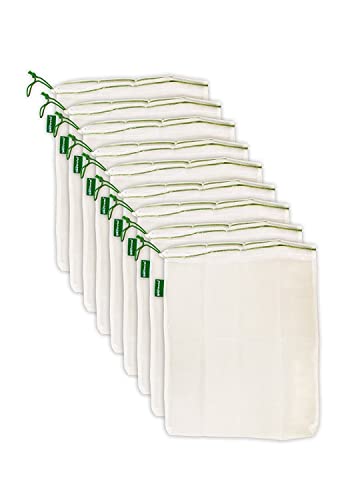

Why Your Produce Bags Matter
You buy reusable produce bags to cut waste and save money. You want them to work and to last. They sit in your cart, your sink, your bag. They face tears, stains, damp. A little care goes a long way. You can keep them strong. You can keep them clean.
This guide gives clear steps. Simple habits. Quick repairs. Smart storage. Small routines that add years to your bags and keep your food safe. Follow them and get more use from what you already own. Save money. Cut waste. Enjoy a simpler, cleaner kitchen today.
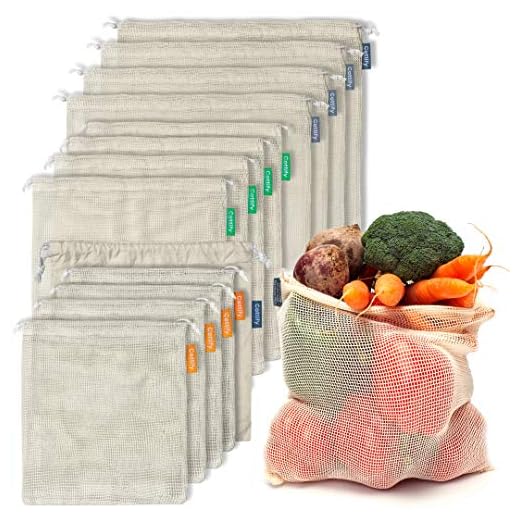


Lotus Produce Bags — Washable, Reusable Produce Bags
Know Your Bag: Materials and Weak Points
Fast look at common fabrics
You must know what you carry. Each fabric acts different. Learn this and you will treat it right.
Where seams and stress live
Seams fail first. Look at corners and where the strap meets the bag. Look at drawstrings. Look at gussets. These spots rub against counters and rings. They rub against metal scales. A small pull at a seam will turn into a long tear if you keep loading heavy jars or old root veg.
To check a bag:
Quick care rules by material
You will spot weak threads before they fail. You will choose the right wash. Next, learn the small daily habits that keep those weak spots from ever starting.
Daily Habits That Save Bags
Empty and inspect each time
You use a bag. Then you empty it. Do it at the sink. Shake out crumbs. Spot sticky spots fast. A smear left overnight will rot and stain. Rinse a peach or fig right after you pick it up. Let it air dry before you fold the bag.
Handle sticky and sharp things right
Cut stems and tough shells back. Wrap thorny stems in a scrap of paper. Put shell-on nuts in a small jar or a tougher bag. Thin mesh will snag on berries stems and clam shells. Move those items to a heavy bag.
Load smart
Don’t cram heavy jars or big root veg into a light bag. Use cotton or canvas for potatoes and onions. Use mesh for leafy greens. Load from the bottom. Lift the bag, don’t drag it. Avoid the zipper teeth and seams when you pull.
Rotate, label, and separate
Rotate bags so one set does not wear out first. Number them with a cloth tag. Use color-coded ties for fruit, veg, and herbs. Give meat and fish their own clear, washable bag or a sealed silicone pouch. Never mix raw meat with your salad bags.
These small habits keep seams strong and holes rare. Use them and you will see bags last longer. The next section shows simple cleaning and drying routines that fit this daily work.
Cleaning and Drying: Simple Routines
Rinse and wash on a rhythm
Rinse your bags after each trip. Shake out grit. A quick rinse stops sugar and juice from setting. Wash the bags every few uses, or sooner if they smell or look stained. Machine wash on gentle. Or hand wash in a bowl. Keep it regular. It keeps fibers strong.
What to use: soap and water
Use mild soap. Dr. Bronner’s or a gentle dish soap works. Cold or warm water keeps muslin and cotton from shrinking. Avoid bleach. Skip harsh stain removers on natural fibers. For machine washes, tuck thin bags into a delicates mesh wash bag (for example a Simple Houseware 15 x 20 in wash bag). That stops snags.
Treat stains fast
Act fast on stains. Rinse cold first. Rub a drop of soap into the spot. Let it sit five to ten minutes. For beet or berry stains, add a splash of white vinegar before washing. I once saved a bag stained with beet juice by soaking it five minutes in vinegar and cold water; the stain lifted.
Deodorize and soak
For odors, soak the bag 30 minutes in a sink of warm water with 1–2 tablespoons baking soda or a cup of vinegar per gallon. Rinse well. Repeat if needed.
Dry to stop mold and rot
Air dry flat or hang by the edges. Shape the bag while damp so it dries true. Do not tumble dry cotton or muslin on high. Heat will weaken fibers and shrink them. Synthetic mesh can take low heat, but air drying is gentler and lasts longer.
Small Repairs That Add Years
Catch tears fast
Fix small tears as soon as you see them. A tiny hole will grow if you ignore it. Stitch it before it costs you a whole bag. You can do this at the kitchen table in five minutes. You will save money. You will save a favorite bag.
Sew a stitch that holds
Learn one stitch: the backstitch. It looks neat. It holds like a seam. Steps:
A neat backstitch will stop a seam from unravelling. It beats ugly, loose knots.

Patches and quick fixes
For larger tears, use a patch. Cut a scrap from an old bag or use ripstop nylon. Sew around the edge. For synthetic mesh, use a strong adhesive patch such as Gear Aid Tenacious Tape or a hot hem tape (HeatnBond works fast). Heat-activated tape is fast and clean for quick fixes at home or on the road.
Replace drawstrings and reinforce seams
If a drawstring frays, knot it or swap in a new cord. Reinforce weak seams with a few neat stitches. A small row of stitches along the edge spreads stress and keeps the bag whole.
Keep a small kit
Keep one drawer kit. Include:
A small repair now saves the whole bag later. Next, learn how to store repaired bags so they last on the road.
Storage and Travel: Protect Your Bags
Store cool and dry
Keep your bags dry. Moisture breeds mildew and softens seams. Put them in a cool spot away from heat vents and windows. Sun bleaches and weakens fibers. I once left a mesh bag on a windowsill for a month. The next season it tore at the corner.
Fold or roll to save space
Fold flat for drawers. Roll small bags tight for a keyring or pouch. Rolling keeps straps from tangling. Use the roll method for silk or thin nylon. Fold heavier canvas at the seams to avoid stress.

Pack a travel pouch
Buy a small pouch. Aim for a lightweight, snag-proof sack. Models to consider:
Pepper your life
Keep a few bags in fixed spots. Try this:
This cuts the urge to grab a throwaway bag at the store.
Quick checklist before storage
A small habit will stop a big waste. Store well and you’ll travel lighter.
Know When to Retire or Repurpose
Spot the signs
Look the bag over. Feel for thin spots. Check seams and straps. Long tears count too. Smells that don’t go after a wash mean deep breakdown. If the bag can’t hold fruit safely, stop using it for produce. Don’t risk bruises or leaks.
Give it a last good use
Make the change simple. Cut a hole free of frayed edges. Hem if you can. Pinking shears work if you don’t sew. Small fixes like a zigzag stitch add life.
Try quick swaps you can do today:
A nylon mesh bag makes a fine scrubber for grills. A thin cotton bag becomes a polishing cloth.
Beyond the bin: recycling and donation
Check local textile recycling first. Some cities offer drop-off sites. Private programs like TerraCycle take specific fabrics. Natural fibers like cotton are easier to compost or recycle. Synthetic meshes may need specialty streams. Remove clips, cords, and hardware before you hand them in.
Donate lightly worn bags to schools, makerspaces, or craft groups. Quilters and puppet-makers love odd fabric. A neighbor’s kid might turn a sack into a fort.
Make the last use kind to the planet. Keep the waste small and useful. With that choice made, you’re ready for the final small acts that extend value even more.
Small Acts, Long Use
You can keep your bags for years. Clean them often. Fix small tears. Dry them fully. Store them flat or rolled. Keep them cool and dry. Use gentle loads. Do not overload seams.
When a bag is done repurpose it. Make it a scrub cloth or a carry pouch. Small acts add up. You save money and waste. Pass the habit on. Show a friend how. Watch your bags last and your waste fall. Feel good about small wins today.



I bought the See-Through Barcode-Scannable Mesh Produce Bags, 12-Pack last month and I’m kinda mixed. They scan but the little lock on some bags broke after two months. The article’s “Know Your Bag: Materials and Weak Points” section would’ve set my expectations better.
What’s the consensus on using those locks vs. simple ties? Anyone replaced the locks with something sturdier?
I ordered a mixed pack on Amazon for craft projects; look for ‘stainless mini carabiner keychain’ — cheap and durable.
Thanks for flagging that, Diego. The locks are convenient but not always heavy-duty. Replacing them with small, food-safe cord locks or simple knotting can be more reliable.
I swapped the stock locks for little stainless steel carabiner-style clips for a few bags. Overkill? Maybe. But they haven’t failed.
Ooh stainless clips — that’s clever. Where’d you get them?
Does anyone have a preferred washing method for the Organic Cotton Reusable Produce Bags, 13-Pack? I hate how some cottons shrink and make the drawstrings funky. Machine wash cold or hand wash recommended?
Hand wash or machine on cold with a gentle cycle is best for organic cotton. Reshape while damp and air-dry to avoid shrinkage. Avoid high-heat dryers — they can damage drawstrings.
Loved the repair section. I bought the Bulk 100 Nylon Mesh Produce Bags with Locks for a community event and after a few uses I had small snags. The article’s idea of a tiny whip stitch at weak points saved several bags for me. Anyone else tried glue instead of sewing for quick fixes?
I used a waterproof fabric glue once — it held for months, but after repeated washing it started to peel. Stitching wins long-term.
Sewing is more durable, but fabric glue can work for very small fixes. Just check that the glue is non-toxic and fully cured before using the bag with food.
Okay this is long but helpful — I live alone and waste a lot of produce unless I manage it. The section on “Cleaning and Drying: Simple Routines” changed my routine. I now rinse strawberries right away, let them air-dry on a towel, and put them in the Organic Muslin Cotton Produce Bags, Six-Pack for the fridge.
Why I love muslin for berries: gentler fabric, less bruising. Why I still keep a few nylon bags: for onions and potatoes where breathability matters. Also, I patched one with a Heavy Duty Upholstery Sewing Kit, 48-Piece (honestly saved the bag) — took 5 minutes.
Small rant: the article should mention dye transfer from tomatoes on light-colored cotton bags. Learn the hard way 😅
Totally agree about dye transfer. I keep a spare dark-colored bag for anything that stains easily. Also, a little spot-cleaning with a mild soap right after helps.
Quick safety note: if you use silica packs, make sure they’re food-safe and not accessible to kids or pets.
Oh nice tip Lena, didn’t think of a silica pack for the drawer — will try!
Thanks for the thorough share, Olivia — these real-world tradeoffs are exactly what we hoped readers would add. Good call on the upholstery kit for quick patches.
Muslin = game changer for delicate fruit. Also, I add a silica pack in my produce drawer (not in contact with food) to keep humidity in check — works for me.
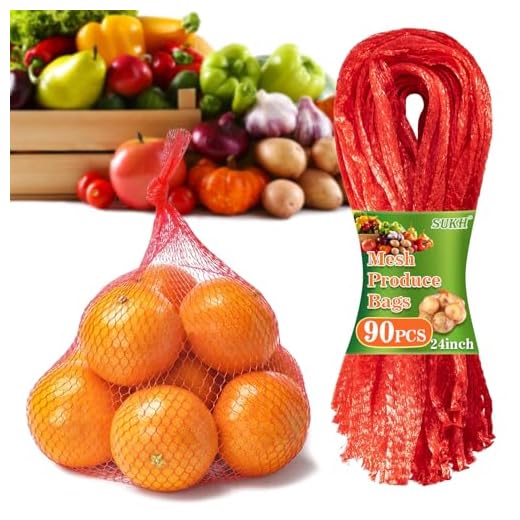
Short and useful article. Liked the “Know When to Retire or Repurpose” bit — I actually turn old mesh bags into produce-sorting pouches for camping gear. Might buy the Bulk 90-Pack 24-Inch Mesh Produce Bags just to have extras for projects.
This piece was exactly what I needed. I’m terrible at fixing stuff, so the “Small Repairs That Add Years” section gave me simple stitch patterns to try.
Longer story: I used the Heavy Duty Upholstery Sewing Kit, 48-Piece for a rip in a nylon bag and felt like a DIY hero. Took longer than I thought but it looks neat.
Also, two things I think could be added to the article:
– A quick checklist for what to carry when traveling with produce (I once ruined a bag by jamming it under luggage)
– Photos of common weak points on each bag type (mesh stress points, drawstring wear, seam issues)
Anyway — kudos to the author. Would happily buy the Organic Muslin Cotton Produce Bags, Six-Pack next time I’m restocking.
If you’re nervous about stitching, try practicing on a cheap bulk bag first. The Bulk 100 Nylon Mesh ones are good for practice since they’re inexpensive.
Video would be awesome. Even a 2-minute clip showing a basic patch and a reinforced seam would save tons of confusion.
Agree on the photos. Visuals make it easier to know where to inspect for tears.
Good tip, Olga. I practiced on a torn Bulk 100 bag and it made me less scared to sew the nicer ones.
We’ll also look into a short how-to video for basic repairs — sounds like readers would find it useful.
Thanks, Grace — great feedback. A travel checklist and annotated photos are excellent ideas; we’ll try to add those in an update.
Great tips in the “Daily Habits That Save Bags” section — I never thought about not overfilling the mesh ones. I bought the Lightweight See-Through Mesh Produce Bag Set last year and they do tear if I cram a whole cantaloupe in 😂.
Quick question: anyone tried the See-Through Barcode-Scannable Mesh Produce Bags, 12-Pack at self-checkout? Do the barcodes actually scan or do cashiers still ask me to bag by weight?
Yep the barcode ones worked at my local coop, but I did get one scanner that read it as a mystery item. Best to be polite with the cashier — they usually help re-scan.
I use the 12-pack for the farmer’s market. 9/10 they scan, but some older scanners at smaller stores struggle. Pro tip: keep the barcode near the top so it doesn’t rub off.
Thanks for the note, Maya — glad that tip helped. For the barcode bags: they usually scan fine if the label is visible and the cashier picks the right PLU. I always double-check that the tag isn’t folded inside the bag.
Not much to add, just appreciation. I use Organic Cotton Reusable Produce Bags, 13-Pack for daily trips and they’ve held well. The article is practical and not preachy. Thumbs up 👍
I need to be less lazy. The storage tips in the article are simple but real — hanging a few bags on a kitchen pegboard made day-to-day use easier. Also patched a bag with the upholstery kit and it’s still going strong months later.
One annoyance: some market scales still force you to use plastic; the barcode bags don’t always help. Policy vs tech problem, I guess.
Agree on the scale issue — it’s a mix of store policy and out-of-date scales. If enough shoppers ask stores to accept reusable bags, policies can change.
Good idea, Tara. I’ll try that.
I carry a small note that says ‘I brought my own bag’ — helps start the conversation. Some cashiers appreciate the heads-up.
This line made me laugh: “Small Acts, Long Use.” It’s true though. I realized I was treating bags like disposable napkins.
Also, PSA: those Bulk 90-Pack 24-Inch Mesh Produce Bags are huuuge — not for everyday veggies but perfect for storing root veg in the basement and for repurposing as laundry delicates bags.
Five quick things I do:
1) Label bags with a tiny tag for contents
2) Keep one ‘dirty’ bag for immediate produce that needs washing
3) Never pack wet produce into stashed bags
4) Rotate bags once a month
5) Mend as soon as you see a pull
Hope someone finds this useful — small habits add up.
Number 3 is critical. I learned the hard way when mold spread through a bag I left damp in my tote.
Thanks! The color tag trick saves so much time, especially when shopping with kids 😂
If anyone wants a printable label template, I can add one to the post — would that help?
Labeling is underrated. I have a color code system and it’s made grocery day faster.
Love the practical list, Liam. The laundry delicates tip is brilliant — double use = less waste.