


Draft Beer at Home in Six Moves
You want fresh beer at home. A kegerator makes it easy. This guide shows six clear steps. You will pick parts, modify a fridge, tap a keg, and pour like a pro. Start now and enjoy cold draft beer today.
What You Need

Build a Simple Kegerator: Quick
Step 1 — Choose the Right Fridge
Want true draft? Your fridge choice makes or breaks it.Choose a fridge that fits your keg. Pick an upright for a tap. If you use a chest freezer, add a temperature controller.
Measure the keg and the door. Test a full-size keg vs a sixth or mini keg. Example: a full-size (half-barrel) won’t fit a mini fridge. A Cornelius keg fits most uprights.
Plan for a CO2 tank and lines. Think about noise, room, and where the door will swing. Place it near an outlet and away from heat or sun.
Check these points:
• Size: holds one full keg or two small kegs
• Seal & insulation: thick walls, tight gasket
• Power & vents: outlet and clearance
• Drain access if you will defrost
Keep the fridge level.

Step 2 — Gather Parts and Tools
Skip junk parts — this list will save you headaches (and beer).Gather parts before you start. Buy a keg that fits. Match the coupler to the keg. Example: Cornelius uses ball‑lock; full kegs use Sanke.
Buy these essentials:
• Keg(s) and matching coupler
• CO2 tank and regulator with gauge
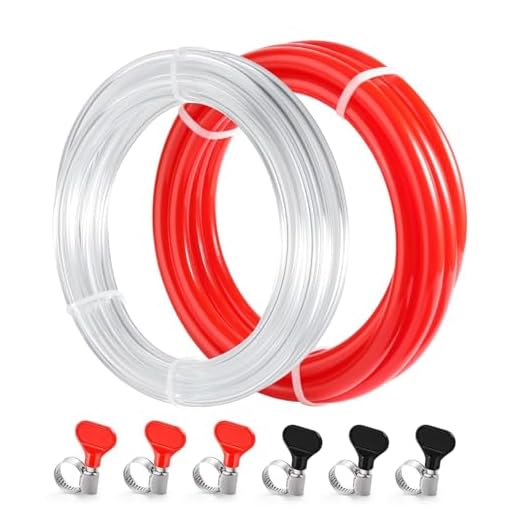
• Food‑grade beer line (match hose ID to coupler)
• Shank and faucet or tower / picnic tap
• Clamps, quick disconnects, Teflon tape, silicone sealant
• Hole saw, steel drill bits, wrenches, small torque wrench
• Thermometer, temperature controller (if freezer)
• Bulk O‑rings, spare seals, cleaning solution and brush
Clean parts before use. Use stainless where beer touches. Buy rated fittings. Label parts and take photos. Bring patience.

Step 3 — Modify the Fridge: Drill and Seal
One hole, big payoff — don't botch the cut.Mark the spot before you drill. Pick a place that clears shelves and the keg. Example: the center of the door, 6 in above the top shelf.
Use a template for the shank or tower. Drill a pilot hole. Step up to the hole saw size. Cut slow. Back the bit out often to clear chips. Smooth edges with a file. Test-fit the shank.
Use silicone and rubber gaskets to seal. Tighten fasteners to spec. Run beer and gas lines through the hole. Keep wiring and gas lines separate. If you use a chest freezer, install the temperature controller before sealing.
Use stainless mounting hardware. Check for leaks with soapy water. Clean metal chips from the interior. Wash with a food-safe cleaner. Fit a drip tray under the shank. Leave room to change kegs. Use non-toxic sealant only. Let silicone cure fully before use. Always.
Must-have items
• Hole saw, pilot bit, file
• Rubber gaskets and food-safe silicone
• Stainless bolts and clamps

Step 4 — Install CO2 and Beer Lines
Pressure is your friend — until it's not. Here's how to tame it.Mount the CO2 tank upright and secure it to the fridge or a bracket.
Fit the regulator to the tank. Tighten the nut by hand.
Open the valve slowly. Set low pressure. Set the regulator to your beer style (e.g., 10–12 PSI for most ales).
Attach the gas line to the regulator. Use a proper clamp. Run the beer line from the keg to the shank or faucet. Keep the run short and direct. Avoid sharp bends. Secure lines to prevent strain.
Attach the coupler to the keg per the maker’s instructions. Pull a small purge to charge the line. Check all joints with soapy water. Watch for bubbles. Tighten any weeps.
Insulate any line that leaves the cold box. Label gas and beer lines. Use food-grade grease on threads. Replace worn O-rings. Practice safe valve handling. Check the regulator gauge.
Must-haves
• Clamps, food-grade grease, spare O-rings
• Soapy leak spray and a wrench
Step 5 — Cool, Carbonate, and Test
Cold is king. Carbonation is the crown. Make both right.Set the fridge to your serving temp. Most ales live at 36–40°F. Lagers run colder.
Chill the keg for 24–48 hours.
Close the system. Set CO2 to carbonate. Use 12–30 psi depending on method.
Pull test pours. Aim for a steady stream and a small white collar. Adjust pressure if you get foam. Clean the faucet and lines. Sanitize well. Taste the beer cold and tune temp and pressure to the brew.
Log your settings. Watch for CO2 leaks with soapy water. Note glass shape and pour length. Share a pour. Fix faults before guests. Always.

Step 6 — Maintenance and Troubleshooting
Minor fixes now save you big spills later. Learn the quick fixes.Keep the system clean. Flush lines after each keg. Use a proper line cleaner weekly. Remove and soak faucets.

Tap and Enjoy
You built it. You chilled and poured. Keep lines clean. Tune temp and pressure. Fix leaks fast. Host friends. Take notes. Try it, share photos and stories, and enjoy responsibly.



Tap and enjoy is literally the best last step. Set up my kegerator yesterday and hosted a tiny tasting for friends — everyone loved it. Two minor things I learned:
– Keep a small thermometer inside the fridge and clip it to the shelf.
– Train guests where the taps are and how to pull slowly (they love to yank for a waterfall of foam).
Great guide overall — saved me a ton of guesswork. 🍻
Invite me next time? I’ll bring snacks and questionable pour technique 😂
Awesome — happy to hear it was a hit! Thermometer is an underrated addition, and guest education is half the battle 😂
Haha, I set up a little sign above the taps with pouring tips. Made everyone laugh and reduced foam by 90%.
Pro tip: have a pitcher ready to catch the first pour during cleaning — saves carpet stains if someone forgets.
Tried the ‘test pour’ method from Step 5 and it revealed a goofy leak at the beer post. Tightened some fittings and all good now. For anyone troubleshooting: always check fittings with a soapy water spray — bubbles = leak.
Also, if your beer tastes metallic, check the lines and whether your keg was stored near chemicals.
Also check your faucet — cheap chrome ones can impart flavors if they’re new. Give everything a rinse/run-through.
Soapy water is a classic and works every time. Metallic taste can also come from new lines — give them a good rinse and beer run-through before serving.
Maintenance section = lifesaver. Left my kegerator idle for months and when I fired it up, lines were gross. Followed the cleaning steps here and did a full flush/citric + PBW wash. Beer tastes infinitely better now.
Also:
1) Replace liquid and gas lines every few years.
2) Keep a small spare gasket kit.
3) Clean faucets weekly if used a lot.
Probably obvious, but worth repeating in bold in the guide.
Thanks for the checklist, Hannah — I’ll add a maintenance frequency table (weekly/monthly/annually) into the guide.
If you go long periods idle, purge lines with CO2 and store kegs cold to avoid bacterial growth. Learned this the hard way 😬
What’s PBW? Is that the foamy cleaner? I used vinegar once, lol — maybe not ideal.
PBW = Powdered Brewery Wash, it’s great for breaking down gunk without harsh smells. Vinegar is okay for a quick clean but PBW is better long-term.
Step 5: Cool, carbonate, and test — aka: the part where I nervously watch bubbles like it’s a sci-fi movie. 😂
Tried force-carbonating and it was foamy for DAYS. Wish the guide had a troubleshooting chart for foamy beer (temp vs PSI vs pour technique).
Foam = sanitizer or soap residue sometimes. I had that once and it was awful. Clean lines thoroughly and purge air pockets before serving.
Good idea — a quick troubleshooting chart for foam is on the to-do list. In short: colder temp, lower serving pressure, and shorter beer lines reduce foaming. Also check for dirty lines and open CO2 that suddenly changes pressure.
Short and sweet: this made my Saturday project actually doable. Typos on page 4 tho? 😂
Also: put a warning about sharp metal shavings when drilling. Got 1 in my thumb, not proud.
Wear gloves and a magnet to pick up shavings — saved me once!
Ouch — sorry about the thumb! We’ll add a drilling/shavings safety warning and proofread that section again. Hope you’re healing up.
Nice guide. Quick question: for Step 1, is it okay to use a used mini-fridge? I’m on a budget and there are a few on CL.
Worried about previous smells or cooling reliability.
I bought a used mini-fridge and it was fine after a good cleaning. Also replace the door gasket if it’s worn — that fixed most temp issues for me.
Used is fine if the compressor is solid. Check for oil spots (leaks), listen for weird noises, and leave the door open for a day to sniff out odors. Deep clean with baking soda/warm water if needed.
Loved the step-by-step photos (they made the drilling/silicone step much less scary). One nit: you might want to mention PPE more clearly — ear protection + goggles when drilling into metal. Also, when sealing, use food-grade silicone only — don’t trust random hardware-store silicone that isn’t rated for pallets that’ll touch beer lines.
Overall, very helpful and concise.
Great points — I’ll add a note about PPE and specifying food-grade silicone in the next revision. Thanks for flagging that.
Do you have a brand rec for food-grade silicone? There’s so many options.
Agreed on the silicone. I once used the wrong stuff and it left a weird taste. Pro tip: let it cure fully (48 hrs) before running lines.
I used Dow Corning 100% silicone (food-grade). Sold it at a big hardware chain near me. Worth the few extra bucks.
Regulator tip: don’t cheap out.
Bought a $20 regulator and the PSI kept fluctuating — ruined a few pours. Upgraded to a dual-gauge regulator (higher quality) and night/day difference. Also, label your CO2 tank date when filled so you remember when to swap.
Extra: Add a small inline check valve to prevent backflow if you plan to switch beers often.
I use a Taprite regulator — solid build and gauges hold well. Paid a bit more but worth it.
Also check for leaks at the regulator fittings regularly. I learned the hard way when my tank emptied overnight.
Any brand recs for the dual-gauge? I’m clueless here.
Second the labeling idea — I once played ‘which tank is older’ roulette. Not fun 😅
Great practical advice, Olivia. I’ll mention dual-gauge regulators in the parts list. Check valves are underrated for multi-keg setups.
I appreciated the tools list. I had no idea you’d need a hole saw for the shank — I almost bought a regular drill bit.
Question: what diameter hole saw did you use? The list says ‘appropriate size’ which is true but unhelpful for a first-timer.
I used a 1.75″ one for my shank. Measure your hardware before buying to be safe.
Good point. Most standard single-tap shanks use a 1 3/8″ to 1 7/8″ hole saw depending on the kit. I’ll update the list with common sizes for single vs double tap towers.
Thanks — that’s super helpful. I’ll measure first.