


Start Simple: Why Your Rice Cooker Matters
Your rice cooker frees your time. You get great rice every time. It can cook grains, stews, and cakes. Learn, try, master your cooker now, in six clear steps today.
What You Need to Begin
You need:

Ultimate Rice Cooker Buying Guide: Tips for Perfect, Easy Rice
Know Your Cooker Inside Out
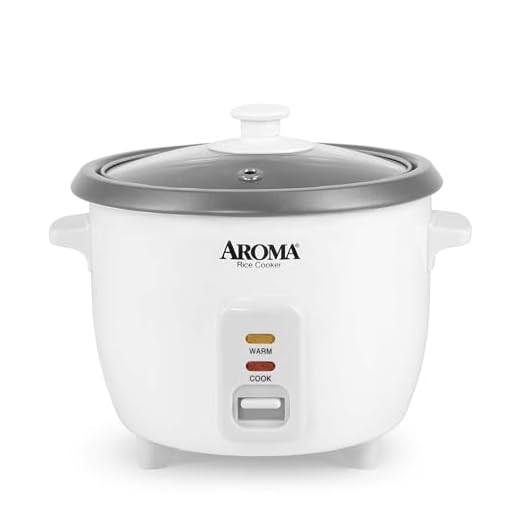
Is your cooker a friend or a mystery? Learn the buttons and modes now.Read the manual. Learn the parts. See the lid, the seal, the inner pot, the heater. Count the cups it holds. Note markings inside the pot. Find the cook, white rice, brown rice, porridge, and keep warm buttons. Check for a steam tray and delay timer. Know if your cooker uses sensors, pressure, or only a basic thermostat. Look at the cord and plug. Test the latch by closing and opening it. Clean the pot with mild soap. Do not use metal on nonstick. Write down the cooking modes. Keep the notes near the cooker. Know before you cook.

Measure and Rinse Like a Pro
Want perfect texture? Small counts and rinses make a huge difference.Use the cup that came with your cooker. Match rice to the pot water marks with that cup. Rinse rice. Swirl under cold water and drain. Repeat until the water runs clear. Cut starch and stop clumping by rinsing well.
Add a splash more water and lengthen cook time at high altitude. Add salt or a drop of oil if you like. If rice is hard, add a little hot water and let it rest. If mushy, reduce water next time. Weigh rice on a small scale for exact daily results.

Load, Seal, and Start — The Right Way
One press does the work. But the setup makes the meal. Do it right and relax.Place the inner pot in the cooker.
Add the rinsed rice.
Pour measured water to the mark.
Use hot water for speed.
Add a pinch of salt or a teaspoon of oil.
Do not stir after adding water.
Wipe spilled water from the rim.
Close the lid.
Lock the latch if present.
Choose the mode that matches the grain.
Press start.
Let the cooker do its job.
Avoid lifting the lid; steam will escape and you will lose heat.
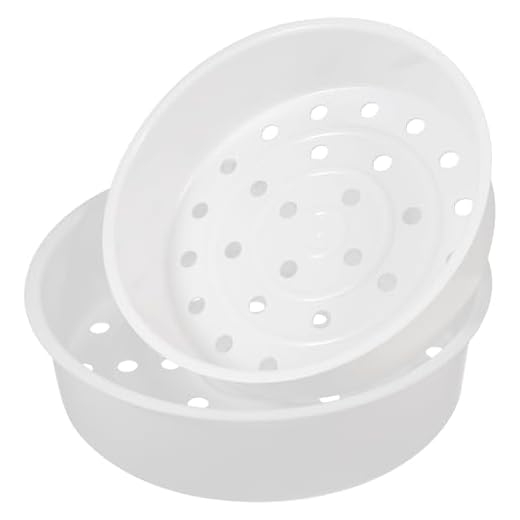
Steam vegetables on a tray in the last minutes to keep them crisp.
Use the timer to delay start for fresh rice at dinner.
Wait for the cooker to sing or click.
Let rice rest for a few minutes.
Fluff with a fork.
Serve.
Fix Common Problems Fast
Undercooked? Burnt? You can save a meal with quick fixes. Know them now.Add hot water if rice is undercooked. Use about 1/4 cup per cup for very dry rice. Close the lid. Set to warm for ten minutes. Check and fluff.
Reduce water next time if rice is mushy. Rinse rice less. Note the ratio in your log.
Soak the pot in hot water if a burnt layer forms. Use a wooden spatula to lift stuck rice. Do not scrape hard.
Dry the inner pot between uses. Check the nonstick coating and replace the pot if damaged.
Clean the steam vent and rubber seal if the cooker smells. Stop and unplug if the cooker trips a fuse. Check the cord and outlet. Call the maker if the cooker fails to heat.
Keep a log of fixes. Learn the smell of bad rice. Toss bad rice. Chill cooked rice within two hours.

Move Beyond Plain Rice
Want more? Make congee, pilaf, and pudding. Your cooker is a tiny oven and a pot of gold.Use the cooker for more than plain rice.
Make congee. Add 1 cup rice to 6–8 cups stock. Set porridge mode. Stir at the end.
Stir risotto. Cook, then stir in warm stock on warm until creamy. Finish with butter and cheese.
Cook other grains. Soak tough grains for 30–60 minutes. Reduce soak for pressure models. Steam fish or veg on the tray while rice cooks.
Layer flavors. Sauté onion and garlic, then add rice and stock. Toast rice first for pilaf, then add liquid.
Wash sushi rice well. Mix with rice vinegar and cool in a flat tray.
Make rice pudding on porridge mode with milk and sugar.
Track each recipe. Write the ratios and times. Repeat until you know them by heart. Share notes with friends often.
Care, Storage, and Long Game Mastery
Treat it well. It will repay you with great rice and less waste. Want to keep it for years?Care for your cooker.
Track failures and fixes in a notebook. Try one new recipe a week, e.g., chicken pilaf. Scale recipes slowly and save tested ratios in a simple chart. Cook in batches. Freeze extra rice in cup portions. Use a cooker that fits your household. Teach family to use it. Enjoy hands free meals often and repeat daily.

Wrap Up and Cook More
Take small steps. Use your cooker daily. Track results. Tweak water and time. Clean well. Try bold recipes. Keep a short log. Share what you cook. Start now and often.



Nice step-by-step. I liked the troubleshooting section — helped me fix the burning-on-bottom issue (turned out I was using too little water and not rinsing). A couple of things I’d add:
– A quick note about altitudes — my cooker behaves weirdly when I visit higher places.
– More on using the steamer basket properly.
Otherwise solid, practical guide.