


Bring Heirlooms Home
You want food that speaks. You want soil and sun in every bite. Bring heirloom produce home and taste the place. These vegetables hold old seeds and firm work. They carry flavor, not fuss. You will meet Schaefer Farms tomatoes and taste true Jersey sweet corn. You will learn to pick, store, and cook so each bite sings.
You cook to show the crop. Keep things simple. Let ripe tomato, sweet corn, and smoky pepper stand on their own. Small tricks make big change. I guide you through varieties, flavor notes, and smart buys. Read on. Bring real flavor to your table. You will cook with respect and joy and learn simple ways to preserve summer for winter and guests.


Heirloom Tomato Pizza – Home Run Inn Recipe
Why Heirloom Produce Changes Your Plate
What heirlooms give you
Heirlooms show you variety. They come in odd shapes. They come in strange colors. They hold a wider range of tastes. You bite and you notice depth. The flavor is layered. It is not one note. That makes meals feel real. It makes a simple salad worth the work.
They feed soil and seed lines
Heirloom varieties keep old seeds alive. Farmers save them year to year. That keeps farms small and rooted. It also feeds soil life. Diverse plants feed more microbes. Rich soil grows stronger crops. When you buy heirlooms, you back that cycle. You back people who tend seed and soil.
How to tell good heirlooms (quick tips)
Fresh local harvest beats long shipping
Produce loses streaks of taste with each truck mile. Sugar drops. Aromas fade. If you can eat the same day, you will notice a difference. At a farmers market you can taste that right away. You will also meet the people who grew your food. They will tell you how to cook it.
Next, you will meet one farm that shows this plainly. You will read the story behind a tomato and why it matters to your plate.
Meet Schaefer Farms Tomatoes
Taste over looks
Schaefer Farms grows tomatoes that speak loud. They choose flavor over perfect shape. You won’t find glossy supermarket clones. You will find fruit that smells like summer and tastes like a story. Growers let vines finish their work. The result is sugar and acid in balance. Flesh that breaks softly. Seeds that hold juice.
Varieties and flavor notes
They grow old favorites and rare gems. Each one tells you something.
How to pick at market
Bring your nose. Use your hands. Ask when it was picked. You want fruit that feels heavy and gives slightly to pressure. If it is rock-hard, it lacks sugar. If it is too soft, it is past its prime.
Look for scent at the stem. A green, earthy perfume means true ripeness. Dull smell means it was picked too early. Ask the farmer for a quick taste if they will spare a slice. One taste tells more than a dozen labels.
Treat them right at home
Keep them out of the cold. Refrigeration kills aroma and firms the flesh. Let them sit on the counter. Turn them daily. If you need quicker ripening, place near a banana. Slice thick. Salt just before you eat. Do not drown them in dressing. Let the tomato lead.
A single perfect slice with good bread will show you why this matters.
New Jersey Sweet Corn: Pick, Cook, and Savor
How to pick fresh corn
Jersey sweet corn can sing. It tastes of sun and sugar. You will learn the signs fast. Look for bright green husks. Silk should feel damp, not dry. Peel back a corner. Press a kernel. It should pop with juice. Smell the stem end. It should smell green and sweet. Buy corn the day you eat it. Farmers pick early in the morning. That corn will taste like noon sun.
Quick cooking methods
Cook corn fast. Heat kills the sweet note. Steam for 3–5 minutes. Blanch in boiling water for 2–4 minutes. Grill over hot coals 8–12 minutes, turning until charred in spots. If you shuck for the grill, keep the last layers on to protect kernels. Salt or butter after cooking. Salt before will draw out juice.
Timing and simple tools
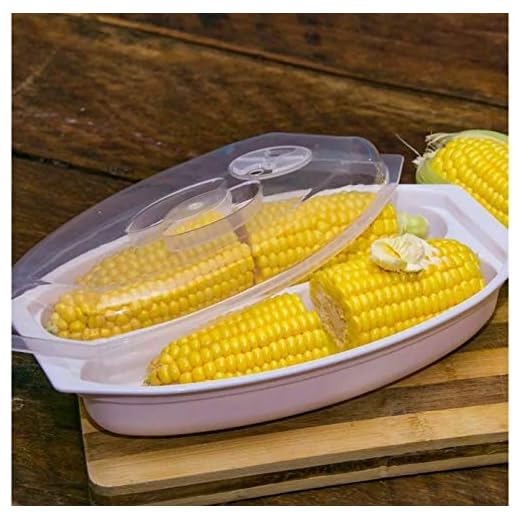
Use a tight pot, a steamer basket, or your grill. A microwave steamer will cut time and keep juice. Use a timer. Watch the clock. Do not overcook. Overcooked corn goes starch-cold and flat. If you like smoky corn, grill it in the husk for a few minutes more. For sweet, bright kernels, blanch and eat.
Eat it raw when it’s very fresh
If the corn is picked that morning, eat some raw. Cut the kernels from the cob and toss with olive oil, lime, salt, and pepper. Add herbs or thin sliced cherry tomatoes. Raw corn keeps the sugar sharp. It sings on the plate.
Heirloom Veggies in New Jersey: Varieties and Flavor Notes
Quick flavor primer
Heirloom veggies show their mood at first sight. Look and taste. You will meet:
Try one new variety each week. Tell the grower what you liked. They will smile. You will learn fast.

How color maps to taste
Dark greens hide intensity. They hold iron and earth. Red or purple stems can mean a bitter, savory push. Pale flesh is often milder. A cream carrot will snap sweet. A pale beet will taste less musky and more clean.
When to eat and when to store
Eat greens and beans within one to two days. They lose snap fast. Eggplant bruises. Use it in two or three days. Peppers keep up to a week in the crisper. Roots store best. Beets and carrots last weeks in cool, damp sand or a crisper drawer.
Quick tips:
Where to find them in New Jersey
Go to farmers markets at dawn. Join a CSA. Stop at farm stands on county roads. Talk to the farmer. Ask for pick dates. You will find odd shapes and bold flavors. Keep tasting. The next section shows how to buy smart and keep the best.
Buy Smart, Store Smart, Preserve the Best
Buy from the grower
You buy from people who grow. Ask short questions. Ask when the harvest came in. Pick fruit that feels alive. Give it a squeeze. Smell it. If they smile, you learn fast. Buy less that day. Buy more next week.
Handle with care at home
Do not rush to wash. Dampness brings rot. Shake off grit. Trim stems or greens. Lay items in single layers until you sort them. Clean your hands and surfaces. Clean jars and lids before you use them.
Store by crop
Quick preserve moves you can do tonight
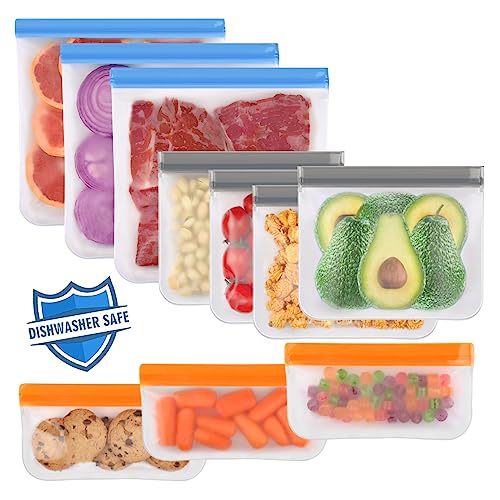
Freeze corn and blanched beans at their peak. Blanch green beans 2–3 minutes. Blanch corn on the cob 3–4 minutes. Shock in ice. Dry and pack in freezer bags like Ziploc or a vacuum sealer such as the FoodSaver 4400.
Pickle or ferment to stretch a season. Quick pickles: hot vinegar, salt, sugar, spices. Cool, then chill. Ferments need a 2% brine and a weight to keep veg below the liquid. Taste in days.
Canning saves tomatoes for winter. Use clean jars and hot lids. Follow a tested recipe and time table (USDA or Ball guides). Act fast. Work clean. Heat seals flavor.
You will learn each step by doing. The next section shows how to cook these saved gems simply so the heirloom taste sings.
Cook Simply to Let Heirlooms Shine
The rule: less is more
Heirlooms ask for little. You need salt, acid, fat, and fresh herbs. Use each one with intent. Taste as you go. Stop when the fruit speaks.
Quick plates that work
Caprese: thick-slice Schaefer tomato. Half-inch slices. Fresh mozzarella. Tear basil. Drizzle 1 tbsp good olive oil and a pinch of flaky salt. Let sit 10 minutes.
Grilled corn: husk on or off. Preheat a gas grill (Weber Spirit II E-310 is solid). Grill 10–12 minutes, turn often. Cut kernels from the cob. Toss with lime, 1 tbsp butter, and a pinch of chili powder.
Roast roots: 400°F. Toss mixed heirloom roots with 1 tbsp oil per pound and fresh thyme. Roast 25–35 minutes. Shake the pan halfway.
Quick-pickle: slice thin. Heat 1 cup vinegar to 1 cup water, add 1 tbsp sugar and 1 tbsp salt per cup. Pour over veg. Cool, then chill an hour. Use on sandwiches or salads.

Salsa and bruschetta: use raw, coarse-chopped heirloom tomatoes. Add minced onion, a squeeze of lemon or lime, salt, and chopped herbs. Let rest 15 minutes for the juices to mingle.
What to keep on hand
Serve with care
Plate simply. Use wide bowls or boards. Serve near room temp so the flavors open. Let the farm do the work. Use these moves and then turn to the final step: put heirlooms on your table tonight.
Put Heirlooms on Your Table Tonight
Go to market. Ask the farmer about seed and soil. Buy a crate of tomatoes or corn. Carry them home with care. Store what’s ripe and eat what’s fresh. Cook with a light hand. Salt, heat, a splash of acid. Let the fruit speak.
You will taste the difference. You will keep old seeds and old ways alive. Share a meal. Tell the story of the field. Buy once, buy well, and return again. Bring heirlooms to your table tonight and let them tell their story. Make it a habit. Start tonight, not later.



Good read. I liked the cooking-simply approach, but quick Q: anyone tried the Microwave Corn Steamer with Vented Lid mentioned in the article? I tried steaming corn in the microwave and it was kinda uneven — some kernels still crunchy. Wondering if the steamer is worth the buy.
I have that steamer — works great if you add a tbsp of water and wrap the lid tight. Also rotate the cob halfway if your microwave has hot spots. Not perfect, but better than microwaving loose.
Or just grill it — char brings so much flavor. But yes, the steamer is a handy lazy option for weeknights.
Thanks for asking, Liam. The steamer helps trap steam around the cob which evens cooking a bit; microwave wattage matters a lot though. If you have a lower-watt microwave, add 30–60 seconds and test one cob first.
If you want perfect texture, try boiling for 3–4 min and then an ice bath. Microwaves are hit-or-miss. 👍
Good article but one critique: the ‘Buy Smart, Store Smart, Preserve the Best’ section could use more specifics on long-term shelf life for the mason jars vs freezer. I used the 24-Pack Mason Jars with Mixed Lids Set and a few pints developed weird cloudy lids after a year.
Was it my process or the lids? Anyone else had longevity issues? Also curious which seed packs are best for beginners — the 55-piece sounds overwhelming.
If you’re worried about lids, buy a separate pack of replacement lids. Keeps things simple.
Another quick tip: store jars in a cool, dark place and label with date. If you ever doubt, reheat and smell before eating — trust your senses.
Thanks for the feedback, Ethan. Cloudy lids can come from residue or mineral deposits; always clean and fully dry lids before storage. For long-term, freezer is safest for texture, but properly processed water-bath or pressure canning will keep jars shelf-stable for a year or more.
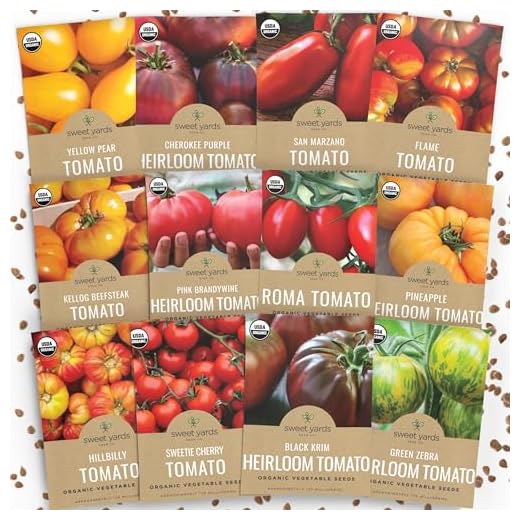
For beginners, smaller seed kits like the Ten Heirloom Tomato Seed Variety Pack or the 30-Pack Organic Herb and Veg Seed Kit are more manageable than the 55-piece.
The mixed lids sometimes have lacquer that dulls over time if exposed to certain acids. I swap them for new lids if I plan to store for 12+ months.
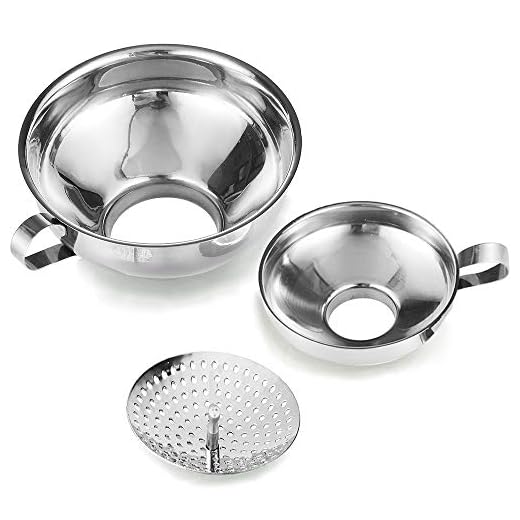
Canning and preserving section made me remember my grandma’s kitchen. I tried the Three-Piece Stainless Steel Canning Funnel Kit and the 24-Pack Mason Jars with Mixed Lids Set last summer.
They saved me SO much time. The funnels actually fit well and the mixed lids are nice for small gifts. I made roasted tomato jam and pickled some tiny peppers.
A couple of messy mistakes: I didn’t sterilize jars right the first time (oops) and one batch had a lid that didn’t seal. Learned to always check seals after 12–24 hours.
If anyone’s new to canning, start small and label the date. Also, the article’s tip to ‘Buy Smart, Store Smart’ is spot on.
Sophie, did you use the funnel kit for dry goods too? I’ve got a lot of herb seeds from the 30-Pack Organic Herb and Veg Seed Kit and want to decant them into jars.
Which mason jar size did you use for tomato jam? Thinking of gifting it but not sure what looks best.
I like 8 oz jars for gifts — they’re cute and don’t scream ‘you need to use this immediately’ 😂
Marcus — 8 oz (half-pint) is a popular gift size. For family use, pint jars are great. And if you’re doing low-sugar jams, follow tested recipes for acidity and processing times.
Beautiful memory, Sophie — thanks for sharing. Sterilizing and checking seals are crucial; an extra minute of care saves a whole jar. We also recommend using a water-bath canning guide for tomatoes or high-acid recipes.
Heirloom vs supermarket tomatoes: I’ve been burned by ‘heirloom’ that tasted like nothing. But the article makes me wanna give it another shot. Maybe I’ll snag the 55-Piece Non-GMO Vegetable Seed Variety Pack and see if I can accidentally grow something edible 😂
Also, who else thinks ‘heirloom’ sometimes sounds like a fancy marketing word? 😜
Totally fair, Carlos. ‘Heirloom’ can mean a lot of things in the market. Look for reputable seed sources and local growers (like Schaefer Farms) — flavor is more consistent that way.
Haha, yes — but when it works it’s magical. Try a single variety from a trusted seller before committing to a whole pack.
Loved the section on Schaefer Farms tomatoes — tasted like summer just reading it! I actually ordered the Nine Organic Heirloom Tomato Seed Pack after reading this and started them in pots. A few tips from my first season: give them a deep pot, lots of sun, and don’t over-prune — those weird-looking leaves = flavor. 🙂
Also thinking the Ten Heirloom Tomato Seed Variety Pack could be a fun backup if some don’t germinate. Thanks for the inspiration!
Maya — what soil mix did you use? I’ve had trouble with drainage in containers.
So glad it inspired you, Maya! Deep pots and full sun are exactly right. If you start indoors, try a gentle fertilizer once they have true leaves — helps with vigor without overdoing it.
Nice! I mixed seeds from the Nine pack and the Ten pack once and got such a wild mix of shapes/colors. Pro tip: label everything or you’ll forget which is which 😂
Short and honest: I love the ‘Cook Simply to Let Heirlooms Shine’ section.
We don’t need 15 ingredients to make a tomato sing. A drizzle of oil, good salt, maybe basil — done. Bought the Ten Heirloom Tomato Seed Variety Pack last year and had a deliciously chaotic salad table all summer.
One more thought: support local markets if you can. Schaefer Farms sounds great — their corn recipe reminded me of late-night fairs.
Also, PSA — don’t forget to rotate crops and save seeds only from the healthiest plants.
Totally — basil and heirloom tomato + flaky salt = instant happiness. Been that salad for months 😂
Agree 100%, Naomi. Simplicity brings out terroir. And yes on crop rotation and saving seeds carefully — keep records so you know which plants gave the best fruit.