

Do you want raw power or quiet finesse to make your cooking faster and truer?
You want a food processor that works and lasts. This guide pits the Cuisinart 14‑cup against the Breville 16‑cup. You get plain facts. You learn which fits your space, your speed, and your wallet — fast, clean, and honest for real.
Everyday Workhorse
Precision Powerhouse
Cuisinart 14-Cup DFP
Breville Sous Chef
Cuisinart 14-Cup DFP
Breville Sous Chef
Cuisinart 14-Cup DFP
Breville Sous Chef
Breville vs Cuisinart Food Processors: Which Is the Best Buy for You?
Specs at a Glance: Capacity, Power, and Parts
Bowl size and capacity
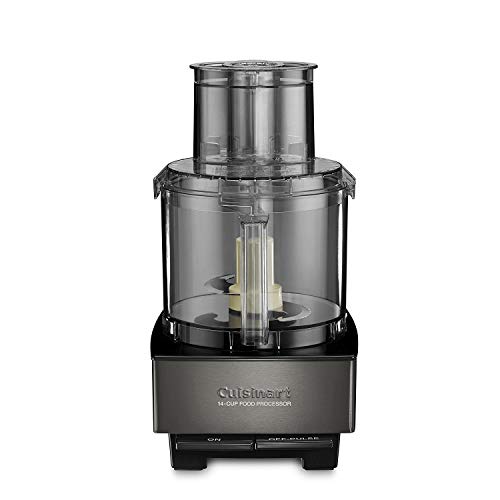
You get a 14‑cup bowl with the Cuisinart.
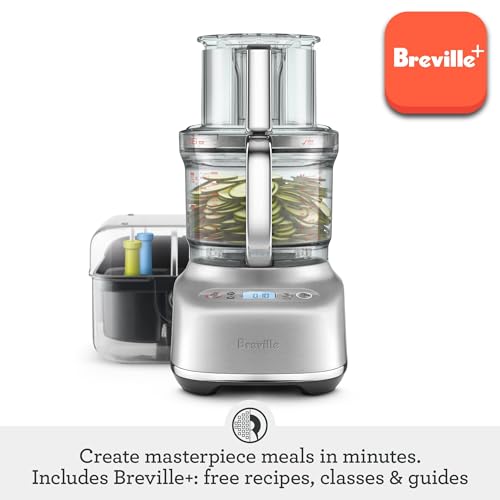
You get a 16‑cup bowl with the Breville.
Larger bowl = bigger batches and fewer trips to the bowl.
Motor and torque
Cuisinart: 720 watts. Strong for most home tasks.
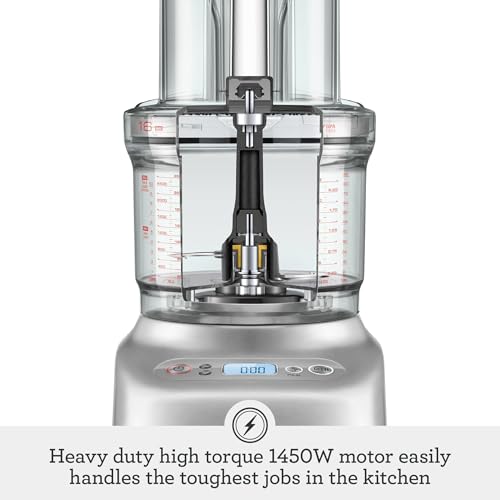
Breville: maker lists it as very powerful. Wattage is not specified in the product spec provided.
Neither product sheet lists peak torque. Breville is built for heavier, longer runs.
Blades and disc options
Cuisinart ships with:
Breville ships with:
Feed tube and locking
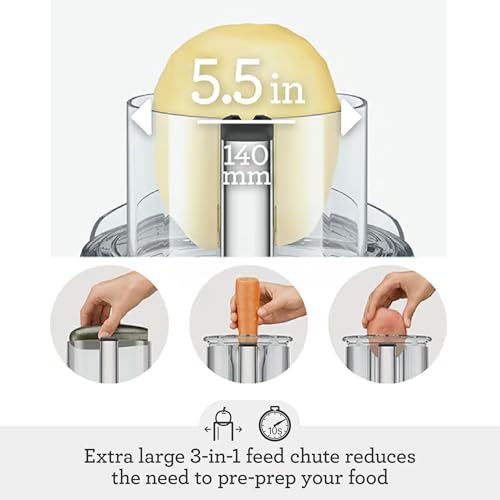
Cuisinart: extra‑large feed tube. You can drop in whole fruits and veg.
Breville: designed for precise feeding and comes with a small work bowl for fine jobs. Manufacturer emphasizes secure, safety-focused parts (interlocks).
What the numbers mean for you
Feature Comparison Chart

Real Use Test: Chopping, Shredding, Puree, and Dough
Cuisinart DFP-14BKSY — 14 cup
You chop onions fast. Pulse gives quick control. You get small, uneven pieces if you overfill.
Shredding cabbage is smooth. The shredding disc moves a lot at once. You work a large slaw in one pass.
Purees come out good. Hot soup needs short bursts. Heat builds if you run long. The motor hums but steadies.
Dough works. The processor kneads small to medium batches well. The blade can slow on heavy dough. Motor strain rises after long kneads.
Speed and control are simple. Few speed steps and a solid pulse. Noise is moderate. You can run a minute or two under load. Give it rest between long cycles.
Breville Sous Chef BFP810 — 16 cup
You get precise chops. The S-blade cuts clean. Pieces are uniform even with full loads. Pulse is sharp and responsive.
Shredding cabbage is fast and even. The wide bowl lets you push through big heads. Results match a restaurant prep.
Purees turn silky. The motor handles hot liquid with less heat. You can run longer purees without strain.
Dough is where it shines. The dough blade and torque knead large batches. Motor stays cool. You can run multi-minute cycles with confidence.
Speed choices give fine control. Pulse and multiple speeds let you tune texture. Noise is louder but expected for power. Run time under heavy load is long and steady.
Design and Daily Life: Size, Clean Up, and Build
Shell and size
The Cuisinart wears plastic with a black stainless finish. It weighs about 17.3 lb. Footprint: 7″ D x 11.25″ W. Height: 14.5″.
The Breville uses brushed stainless steel and BPA-free food plastics. It weighs about 30.6 lb. Footprint: 9.2″ D x 11.3″ W. Height: 17.7″.
Breville is heavier and taller. Cuisinart is slimmer and lighter.
Parts, locking, and blade swaps
Both lock with safety interlocks. You align tabs and twist or snap the lid into place. Blade and disc changes are tool-free. You lift the bowl, pull the disc or S‑blade from the spindle, and drop the new blade in.
Breville ships more discs and a small bowl. It also includes a tidy storage box for accessories. Cuisinart’s parts stack in the bowl or sit on the motor hub.
Cleaning steps and dishwasher safety
Unplug. Remove lid, bowl, and blades. Rinse loose food. Hand‑wash or run safe parts in the dishwasher per the manual. Dry fully before storage.
Cuisinart lists hand wash only for some parts. Expect to wash discs and blades by hand to keep seals and plastics long-lived.
Breville lists dishwasher-safe food-contact parts. You can load discs and bowls in the top rack.
Build strong and weak points
Breville: solid steel body. Durable plastics. Heavy-duty motor housing. Weak point: weight and bulk.
Cuisinart: lighter and stable. Simple controls. Weak point: some exterior plastics can show wear over years.
Fit for tight spaces
If you have tight shelves or a small counter, you’ll prefer the Cuisinart. If you keep the unit out or have tall cabinets, Breville gives you rugged build and more capacity.
Cost, Warranty, and Who Should Buy Which
Price: list vs street
Cuisinart list price: about $320. Breville list price: about $400.
You will often find lower street prices on Amazon. Expect Cuisinart in the mid-to-high $200s. Expect Breville in the mid-to-high $300s. Prices change with sales. Watch for Prime Day and holiday deals.
Warranty and parts
Cuisinart and Breville ship with limited manufacturer warranties. These cover defects in materials and workmanship. They do not cover misuse or normal wear.
Check the product page for exact warranty length and claim steps. Spare parts and blades for Cuisinart are widely sold and often cheaper. Breville parts are available and built to last but can cost more. Both brands have active customer support and clear return policies.
Who each model fits
Casual cooks
Bakers
Heavy users
Clear buy triggers
Quick pro / con bullets
Cuisinart — Pro: lower cost, lighter, simple. Con: some parts hand‑wash only; plastics can show wear.
Breville — Pro: stronger motor, extra tools, dishwasher‑safe parts. Con: heavier, pricier, bulkier.
Final Verdict
Pick the Breville as the winner. It has raw power. It has a bigger bowl. It does large batches with ease. It handles tough jobs. It runs hotter and longer. It costs more. It is louder. If you can take noise, the Breville rewards you with speed and power. Buy it if you make big batches, cater, or bake often.
Pick the Cuisinart if you want to save counter space and money. It is smaller. It is quiet enough for small kitchens. If budget and quiet matter, the Cuisinart fits with room for daily work. Use it for daily prep, small families, and tight budgets. Which one fits your counter and your appetite? Buy one today, wisely.




Love the article! Quick note: anyone with limited storage, the Breville is a beast. Measure your cabinet before buying.
Also — does anyone retain the instruction booklet? I keep mine in a kitchen drawer with spare rubber bands. I know, very organized for someone who burns toast.
Haha, I keep mine too. And yes, storage is a big practical factor — Breville takes more shelf/counter real estate.
Instruction booklets are the real MVPs. Also good for finding replacement part numbers.
I measured and still misjudged. It’s on the counter permanently now. No regrets.
Small rant: people act like the Breville will solve all kitchen problems. It’s great, yes, but maintenance and cleaning can be a chore. The bowl is big, heavy, and awkward to put in the top shelf of the dishwasher.
If you hate washing dishes, maybe stick to smaller gadgets.
Fair point. Size and cleaning are underrated considerations. The Cuisinart’s smaller bowl can be easier for tight kitchens.
I hand-wash the big parts. It’s therapeutic? Or maybe I just like avoiding the dishwasher drama.
I bought a little drying rack just for processor parts. Game changer.
I use mine for pesto, hummus, and baby food. The Cuisinart’s puree function made perfect baby puree — smooth and fast. Plus less counter presence than the Breville which is huge.
If you have kids or make baby food often, consider Cuisinart.
Agreed! We started with Cuisinart for baby food and it was perfect. Easy to control texture.
Great use case — smaller size and simplicity can be big advantages for parents. Thanks for sharing!
Great breakdown — thanks! I’ve been eyeing a food processor for months and this helped.
I do mostly dough and salsa. The Cuisinart’s 14-cup seems perfect for my small batches, but the Breville’s 16-cup and fancy feed chute are tempting. Anyone who uses both for dough: is the Cuisinart good enough or is the Breville noticeably better for kneading?
If budget’s an issue, Cuisinart does the job. For weekly bakers, Breville is nicer. Also, Breville’s stacking feels sturdier imo.
If dough is your main use, both will handle it, but the Breville’s motor and paddle design generally make kneading easier for larger batches. Cuisinart is great for small-medium doughs and is more budget-friendly.
I had the Cuisinart first — it does knead but I had to stop and scrape more often. Upgraded to Breville and the difference was clear. Worth it if you bake big loaves.
Question: Has anyone had issues with the Cuisinart’s motor overheating? I read a couple of reviews saying it struggled with long runs when shredding big batches of cabbage for sauerkraut.
Short runs and pulsing help prevent overheating. For very large continuous jobs, the Breville’s stronger motor is better suited.
I did long runs once and it tripped a thermal cut-out. Let it cool for 30 mins and it was fine. Not ideal, but expected at that price point.
I rented a Cuisinart for a month and it was surprisingly solid. For folks who only prep for 2-4 people, the 14-cup is kinda overkill but I loved the compact footprint compared to Breville.
Positive: simple controls, easy to assemble.
Negative: sometimes the lid seal seems a touch flimsy.
I had the same lid wobble at first. Tightening the locking mechanism and cleaning the rim fixed it for me.
For me it was user error — once I read the manual (yes, I finally did), it clicked. 😅
Good real-world test — appreciate the rental perspective. The seals can wear if not seated properly, but replacement parts are available.
For anyone on the fence: wait for sales (Black Friday, Amazon Prime Day). I snagged the Breville at 30% off and felt 100% justified. If full price, Cuisinart becomes tempting again.
Same here. Patience pays. Bought Cuisinart on sale, swapped to Breville later when I had a coupon.
Good advice — both brands go on sale seasonally. Timing can make the decision easy.
Pro tip: check refurbs from manufacturer — often come with warranty at lower cost.
I’m the kind of person who makes huge batches of salsa and then regrets it during cleanup. 😂
Which one’s easier to clean overall? I hate fiddly bits and tiny crevices.
I find the Cuisinart’s lid seals easier to remove and wash. But if you run a dishwasher, Breville parts go in too (watch placement).
If cleanup is your #1 priority, go with Cuisinart. Less stress, more margarita time afterward. 🍹
Another tip: use a silicone spatula and a quick rinse right away — prevents gunk from drying into crevices.
Cuisinart typically has fewer tiny accessories and a simpler design, so it’s usually easier to clean. Breville has more parts but they’re generally dishwasher-safe — just more pieces to manage.
Neutral take: both are great, but choose by capacity/price. Breville = splurge, Cuisinart = pragmatic.
Also, Breville’s extra accessories are nice but you end up with parts you never use. Minimalists beware.
True! I barely touch the julienne disc. Stick to the reversible shredding/slicing and the dough blade.
I gave a bunch of Breville extras to a friend. Still kept the main discs — you really use maybe 2–3 regularly.
Solid summary. Accessories are a double-edged sword — handy for variety but clutter can add up.
Okay but can we talk noise? My apartment walls are thin. Is Breville unbearably loud compared to the Cuisinart? Anyone measured ‘loud’ in decibels? 😂
Breville typically runs louder due to a more powerful motor. If noise is a major concern, consider using it during daytime or look at sound-dampening mats.
I sleep next to my kitchen (don’t judge). The Breville sounded like a lawnmower at first but I got used to it. Cuisinart is noticeably quieter.
Decibel-wise I haven’t measured, but neighbors did knock once when I shredded onions at 11pm 😂
Bought the Breville last year and no regrets. The build feels premium and it handles everything — shredding, slicing, dough — without bogging down. It’s louder but that’s expected.
Only gripe: cleaning the smaller inserts can be fiddly.
Thanks for sharing! Good point about the noise — higher power often equals more volume. For inserts, soaking right after use helps a lot.
Agreed on soaking. I wrap the discs in a towel while emptying things so they don’t fly around lol. 😂
Short take: Cuisinart = good value, space-friendly, decent motor. Breville = powerful, premium, more bells and whistles.
If you dread complicated controls, both are simple enough, but Breville has extra buttons that might confuse some folks initially.
Breville’s controls are straightforward after a few uses. Nothing a 5-min read can’t fix.
Thanks — that’s a nice TL;DR for people skimming the thread.