


Why Your Electric Skillet Can Save You Time
You want to cook faster. An electric skillet can help. It heats fast and holds steady heat. It gives you a big, flat surface. You can sear, steam, stir, and simmer in one pan. That cuts the back and forth. That cuts the wait.
This guide shows how to use your skillet to cut time. You will learn parts, settings, and power. You will learn speed hacks and smart recipes. You will learn how to keep heat steady and how to time food. You will learn prep tricks and the tools that help. You will learn how to clean, store, and use it safe. Read on and cook faster. Save time daily.
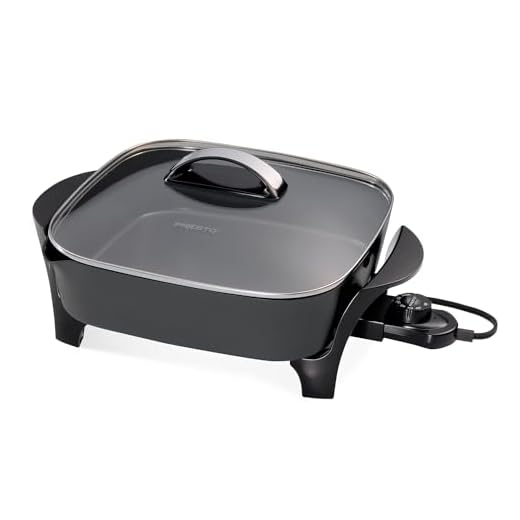


Electric Skillets: 5 Fast Facts to Know
Know Your Skillet: Parts, Settings, and Power
Know the shell and surface
Look at size, depth, and shape. A wide, flat 12–16 inch pan gives room to sear and stir. Deep sides hold stews. Thin pans heat fast. Heavy die‑cast or cast aluminum keeps heat steady. Nonstick saves oil and time. Stainless or ceramic often needs more fat but can take high heat.
Controls: dial, digital, or thermostatic
Learn your control style. A dial clicks through low, medium, high. A digital pad shows temps. A thermostatic probe holds a set number. Treat words like “medium” as loose guides. Test them. Use low for gentle simmer. Use high for quick sear.
Power and how to test it
Check the wattage on the base or manual. Many home skillets run 1200–1500 W. More watts mean faster heat. Thin food can burn on high. Try this simple test:
Preheat with purpose
Preheat until the surface is evenly hot. Move the tip of your hand close above the surface. Heat you can feel means the oil will flash and meat will sear. A hot pan locks juices and speeds cooking. Too hot? Lower power and wait three minutes.
Setup and safety habits
Place the skillet on a flat, stable counter. Tuck the cord away. Use heatproof mats under thin counters. Read the manual for max fill, lid use, and temperature limits. Treat the skillet like a tool. Take two minutes now to learn it. You will save larger swaths of time at the stove.
Next, you will learn the speed cooking techniques that work best with the settings you just tested.
Speed Cooking Techniques That Work Best
Sear hot. Finish medium.
You want a dark brown crust fast. Use high heat to sear. Then drop to medium to finish. This locks juices and cuts total time. For thin steaks or chicken cutlets, sear 1–2 minutes per side. For thicker pieces, sear then cover and reduce heat to finish through.
Cut small. Dry well.
Cut meat and veg into even, small pieces. They cook fast and cook through. Pat meat dry with paper towels. A dry surface browns faster. Uniform pieces mean predictable times. Think bite‑sized, not bulk.
Respect space. Work in batches.
Do not crowd the pan. Overcrowding cools the surface and makes steam. If you must, cook in batches. Rest cooked food on a tray in a low oven (200°F/95°C) while you finish. A 12–16 inch skillet handles a family meal in two quick batches.
Move food to the hot spot
Tilt the skillet. Push food into the hottest zone. Toss or stir often for even color. For quick stir‑fry, keep food moving in 30–60 second bursts. That keeps heat on the food and off the pan long enough to avoid burning.
Steam when you need speed
Use the lid to trap heat and speed tenderizing. This helps dense veg and tougher cuts. Add liquid later. Deglaze with a splash—wine, stock, or even water—to lift fond and build sauce in seconds.
Aromatics and finishers
Use hot oil. Add garlic and herbs late so they don’t burn. Finish dishes with a squeeze of acid or a pat of butter. That adds bright flavor in one motion.
Practice the routine
Prep first. Chop, measure, and stage. Train your hands to move. Repeat dishes until you learn each time and temp. Speed is practice.
Smart Meal Plans and Recipes for Fast Results
Plan meals that match the skillet
Pick dishes that win with one pan. Stir‑fries, hash, skillet pasta, and frittatas shine. Use proteins that cook fast: thin chicken, shrimp, ground meat, and sliced tofu. Use quick veg: bell pepper, zucchini, spring onion, baby spinach.
Many home cooks cut weeknight time from 45 minutes to about 20 by sticking to this list.
Quick staples to keep on hand
A reliable skillet routine (use as a template)
- Sear protein on high. 1–2 minutes per side for thin cuts.
- Remove protein. Rest briefly.
- Cook veg on medium‑high until color appears.
- Add aromatics (garlic, ginger, scallion). Stir 30–45 seconds.
- Return protein. Add sauce or stock. Simmer 2–4 minutes.
- Finish with acid or butter. Serve.
This order saves time. It keeps texture. It makes clean lines on the clock.
Fast sauces and finishes
Keep sauces to three parts. Oil + acid + seasoning. Or soy + vinegar + stock. To thicken, deglaze with stock or wine. Whisk in a knob of butter. It glazes fast. For cream, stir in cream at low heat for 1–2 minutes.
Breakfast and eggs
Whisk eggs. Pour over hot veg and cooked meat. Cover and cook low. Low and steady yields a custard‑like interior. For a crusty bottom, finish under a broiler for 1–2 minutes if your skillet allows.
Frozen veg and batch cooking
Use frozen veg when short on time. Thaw slightly or add with a lid on. The steam cooks them fast. Make double batches. Freeze portions in meal‑size bags. Reheat in the skillet to keep crisp edges and fresh flavor.
A short weekly plan you can use
Stick to the template. Pick recipes that use the skillet’s strengths. You will shave prep and cook time each week.
Maintain Heat and Save Time: Temperature and Timing
Know the hot zones
Your skillet is not one flat heat. The center runs hotter. The edges run cooler. Learn the hot spots by frying a few crumbs. Move food to match the heat. Thin slices go to the hot center. Thick pieces go to the edge to finish.
Use the thermostat and lid
Use the thermostat to hold a steady heat. Turn it up to sear. Turn it down to finish. A lid traps heat and cuts seconds. Use a lid for braises, stews, and eggs. Watch the steam. Heavy steam means either raise heat to brown, or drain liquid.
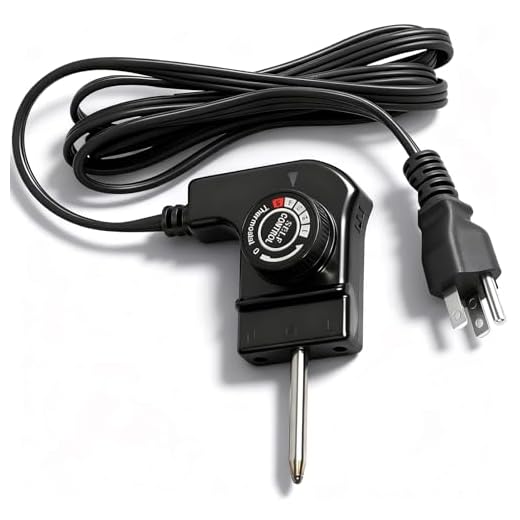
A steady thermostat saves you checks. It keeps oil from burning. It keeps sauce from thinning.
Use residual heat
Turn the skillet off early. Let carryover finish thin cuts and eggs. A ½‑inch chicken cutlet will carry to doneness off heat. For steaks and roasts, use a thermometer for thick cuts. The ThermoWorks Thermapen reads fast and ends guesswork.
Time by feel
Learn three cues:
Touch only cool plastic or use the back of your hand to gauge warmth. Keep a small notebook. Write setting and time for each dish. You will shave minutes the next cook.
Frozen and crowd cooking
If you cook from frozen, start low with a lid to thaw gently. Finish high to brown. When you feed many, expect longer heat recovery. Stagger batches. Cook in waves to keep steady heat and fast service.
Next, we will cover simple tools and prep hacks that speed every step.
Tools, Add-ons, and Prep Hacks to Speed Cooking
Hand tools that win minutes
Use the right tool and you move food fast. A sturdy spatula flips in one motion. Try the OXO Good Grips flexible turner for thin cuts. A slotted spoon lifts and drains at once. Keep a snug lid to trap heat and finish food sooner. A small wire rack rests meat and lets you finish in the oven without soggy bottoms. Keep tongs near the skillet. They save fumbling and burns.
Prep gear that pays off
A sharp chef’s knife is your best time saver. A dull blade slows you and makes work unsafe. Victorinox or Wüsthof knives hold an edge. Use a food processor for fast chops. A Cuisinart 14‑cup works for big batches. A mandoline gives thin, even slices. The Benriner or an OXO mandoline is fast and consistent. Keep bowls for mise en place. Measure spices into small cups before you start. Pre-minced garlic or ginger will bail you out on busy nights. Store chopped veg in airtight containers for 3–5 days. That prep saves 10–30 minutes per meal in my kitchen.

Small appliances and probes
Use an oil spray (Misto or a pump sprayer) for a thin, even coat. A drop-in probe like the ThermoPro TP20 frees you to handle sides while the meat cooks. It ends guesswork and wasted time.
Cleanup and small hacks
Line the skillet rim with foil under the lid to catch sauce. Scrape with a silicone spatula right after use. Little tools and small habits cut minutes off each dish. They add up fast.
Cleaning, Storage, and Safety to Keep You Cooking
Clean fast, cook again
Unplug. Let the skillet cool. Wipe away grease with a paper towel. For stuck bits, fill the pan with warm water and a drop of dish soap. Let it sit a few minutes. Use a soft sponge to wipe clean. A silicone spatula scrapes without harm. For burned bits, a sprinkle of baking soda and a little water forms a paste. Rub gently. Rinse and dry.

What not to do
Never soak the electrical base. Never submerge the cord or plug. Do not use steel wool or scouring pads on nonstick surfaces. These ruin coatings and slow you later when food sticks.
Store smart
Dry the skillet and lid completely. Coil the cord loosely and tuck it away. Store the skillet on a low shelf. That keeps it within reach and out of harm’s way. Keep the lid and cord in a small bin if you have limited space. A clear bin saves time; you see the gear at a glance.
Quick safety checklist
Keep kids and pets out of the cooking zone. Choose a low‑traffic corner of the counter. A quick tidy and safe habit means you can reach for the skillet and start without fuss. Transition next to the final tips to start fast and keep it simple.
Start Fast. Keep It Simple.
You have a fast friend in your skillet. Learn its heat. Use quick cuts. Favor one-pan plans. Prep once. Cook fast. Clean smart. Small habits free big time. Try one change this week. You will see minutes fall from your cook time. Eat well. Feel calm. Keep practice. Keep it simple. Keep it steady.
Return to these steps each time you cook. Start today and save an hour or more each week by simple habits.
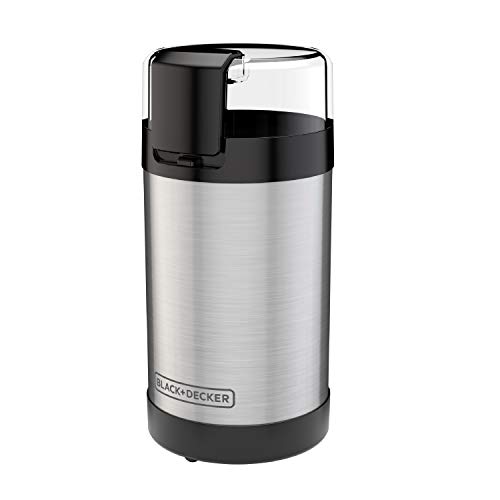




Sarcastic mode: who knew a skillet could replace my entire kitchen cabinet of pots? Honestly tho, the Presto Foldaway is genius for tiny apartments. Folds up like a magic trick and actually cooks well.
Ha — magic trick indeed. Foldaway designs are great space-savers. Glad it’s working for you!
My landlord: ‘You have a kitchen.’ Me: ‘Technically.’ 😂
I still keep a pot for pasta but 90% of weeknight dinners are skillet-only now.
Neutral take: article had solid fundamentals but skimmed over safety for older users. Maybe emphasize not leaving the thermostat cord hanging where kids could pull it or tripping hazards with two skillets running. Safety first, speed second.
Also note that some models have different auto-shutoff behaviors — check manual.
Absolutely — safety is critical. We’ll expand that section to highlight cord placement, cool-down procedures, and proper storage out of reach.
Good call. I anchor cords behind the appliance and use a small clip to keep them tidy.
Tiny confession: I once tried to fit a 16-inch skillet in a tiny sink and regretted it. The Elite Gourmet and Presto 16 are beasts — plan your cleaning strategy or use dishwasher-safe parts if possible. 😅
Also — ChefAide spatulas for the win.
Hah! Good lesson. Measuring your sink and prepping a soak basin can save grief. Glad the spatulas help.
Pro tip: hand wash the big one using a folding dish rack as support so it doesn’t scrape the sink bottom.
Or invite a friend over and make it a ‘big skillet, big meal’ party — instant cleanup helpers.
Question: anyone tried using two skillets simultaneously to shave cooking time? Like veggies in one (Presto 12) and proteins in another (Elite Gourmet)? Curious about counter space and power draw.
I do this for big family dinners — use two on separate circuits. Requires juggling but cuts overall time in half.
You can definitely use two, but watch your outlets and circuit load. Electric skillets draw a fair amount; avoid running multiple high-watt appliances on the same circuit. Space-wise, two 12–16 inch pans need a good stretch of counter.
Counter space is the real problem for me. Also, cleanup triples 😅
I appreciate the recipe roundup. Made the fast skillet chili tonight and it was so easy. Would love more vegetarian options though — maybe a future post?
P.S. the article’s cleaning section convinced me to try the soak-then-scrape approach. Life changing.
Thanks for the feedback, Sophia. Vegetarian skillet recipes are on the list for the next article. Glad the cleaning tips helped!
Veg options incoming? Yes please. Skillet shakshuka is already a staple but more variety would be awesome.
Great overview — I grabbed a Presto 12-inch Electric Skillet last month and this article nailed a few timing tips I didn’t know. Love the bit about keeping the lid on to speed things up.
Quick Q: anyone tried the Ecolution Universal Lid on a Presto? Thinking of buying one so I can use the big lid across pans.
I used the Ecolution lid on my older Presto 12 and it worked fine. Slight wobble but no steam escape issues. Saves me from cleaning multiple lids 😂
Heads up: if your skillet has a raised rim the universal lid might not sit flush. But worth the money IMO.
Thanks, Olivia! The Ecolution Universal Lid usually fits 9.5–12-inch skillets, so it should work on your Presto 12-inch. Watch the fit around the handle area — some lids sit a little higher but still seal well.
Random tiny rant: some thermostat cords are impossible to read for the model number. The Universal Replacement Thermostat Cord saved me but took eons to verify compatibility. Maybe include a quick checklist next time? 😉
Good point — we’ll consider a checklist: model number, plug type, voltage, and connector shape. Thanks for the suggestion!
Yes! Also take a phone pic of the old cord before tossing it. Learned that the hard way.
Totally — labels fade. I write the model on a sticky note and keep it in the drawer.
A couple things that helped me: use silicone spatulas like the ChefAide set to avoid scratches, and season tofu with cornstarch before searing in the skillet for faster browning.
Longer note:
– Tried a one-pan curry in the Elite Gourmet and it was perfect.
– Wash soon after cooling to avoid stuck-on messes.
Noted on the cornstarch tofu! Also, silicone spatulas are my favorite for stirring sauces.
Great tips — cornstarch is a fantastic trick for fast browning. And yes, cleaning sooner reduces effort later.
Wait, I already used Robert King above — oops. Replace this with: “Alex Turner” — okay ignore meta. New username: Alex Turner.
Actual comment: I bought a cheaper no-name skillet before reading this and returned it after one week. Lesson learned: invest in known brands like Presto or Hamilton Beach. Fit and thermostat quality matters.
No worries about the mix-up, Alex. Brand reliability matters especially for thermostats and lids — glad you found something better.
Agreed. Bought a cheap one and the cord died quickly. Switched to Presto and haven’t looked back.
Brand doesn’t guarantee perfection but it usually saves headaches. Always check return policy too.
Loved the prep hacks! I meal-prepped fajita veggies in the Presto 16-inch Foldaway and it was SO fast. One tip: slice things uniformly — the skillet’s wide surface really rewards even cuts.
Also, cleaning tip worked great. I used the ChefAide silicone spatulas and they didn’t scratch the coating.
Thanks for sharing, Aisha. Uniform slices are a huge time-saver for even cooking. ChefAide spatulas are great for nonstick surfaces — good call.
I never thought about foldaway design helping with storage — the Presto 16 sounds tempting for small kitchens.
If you’re meal-prepping for the week, label your portions before refrigerating. Skillet-cooked meals reheat super well.
Totally — uniform cuts also reduce active stirring time. Less babysitting = happier me 😅
OK real talk: I tried speed-cooking shrimp on an Elite Gourmet Extra Deep and it was fast but uneven at first. Learned to spread them in a single layer and slightly lower the heat.
Article helps but practice matters. Still, the extra depth is awesome for one-pan pastas.
Good observation — crowding leads to steaming, not searing. Single layer and preheated surface are key. Nice use for one-pan pastas!
I had the same issue with my deep skillet. A quick tip: pat shrimp dry and season right before they hit the pan.
Love the ‘Start Fast. Keep It Simple.’ section. When I’m tired I do frozen dumplings in the electric skillet with lid on and they come out perfect. Also, pro tip: use a little oil and a splash of water for steam-fry technique.
Ooh that steam-fry method is a gem. Tried it tonight and my dumplings were restaurant-level. Thanks!
Exactly — combining oil and water can give crisp bottoms and steamed tops. Great dumpling hack!
Funny how the article made me re-evaluate my tools. I always thought my wok was faster, but the Hamilton Beach 12×15 surprised me for stir-fries — more surface area than I expected. Also, cleaning was easier than I feared.
Minor gripe: would have liked a comparison table though (more visuals).
Same — visuals help when deciding between Presto and Hamilton Beach. But yeah, hands-on vibes are valuable too.
A comparison table would be clutch. Specs and real kitchen use = my dream content. 👍
Thanks — glad the Hamilton Beach performed well for you. We skipped a table to keep the article light, but that’s good feedback for a follow-up piece.
Short and sweet: the section on ‘Maintain Heat and Save Time’ changed my weeknight routine. Preheat for 3-4 mins, toss ingredients, and bam — dinner. Also thinking about getting the Universal Replacement Thermostat Cord so I can swap between skillets.
Nice! The thermostat cord is a great backup — especially if you have multiple skillets or want a replacement instead of a whole unit. Just double-check compatibility.
3-4 minutes seems short for some recipes though — depends on the skillet size and whether it’s empty or has oil. I usually go 5 for my Elite Gourmet extra deep.
Agree on the cord. I kept an extra for my Hamilton Beach 12×15 — saved me when the old one failed mid-week.