


When it comes to meal preparation, we all want tools that make our lives easier and more enjoyable in the kitchen. Food processors are among the most versatile appliances, streamlining everything from chopping vegetables to mixing dough. But with so many options available, choosing between corded and cordless food processors can feel overwhelming. You might be wondering which type better suits your cooking style, space, and needs. In this blog post, we’ll explore the key differences between corded and cordless food processors, helping you find the perfect match for your culinary adventures. Let’s dive in and simplify your decision-making process!


KitchenAid® Choppers vs. Processors: A Quick Comparison
Understanding Corded Food Processors
When it comes to food preparation, corded food processors have become indispensable kitchen companions for many home cooks and professional chefs alike. Their powerful performance and versatile features can greatly enhance your cooking experience. Let’s dive deeper into the benefits and limitations of these appliances, and see how they stack up against other options in the market.
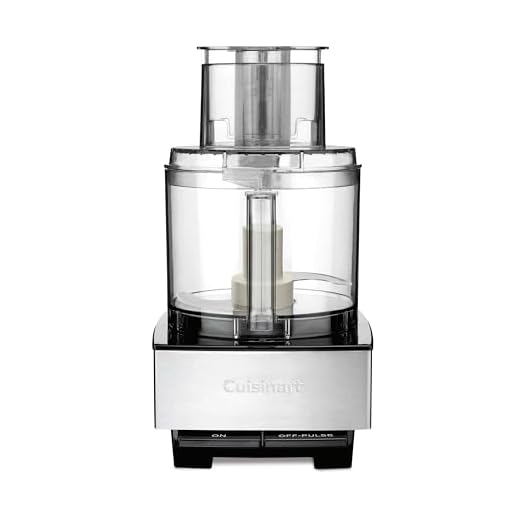


Power Capabilities
One of the primary advantages of corded food processors is their power. Unlike cordless models that rely on battery life, corded processors have a consistent power supply, allowing them to handle tougher tasks with ease.
- High Wattage: Most corded food processors come with wattage ranging from 500 to 1200 watts. For example, the Cuisinart DFP-14BCNY 14-Cup Food Processor boasts a 720-watt motor, making it capable of slicing, chopping, and mixing even the densest ingredients.
- Speed Settings: Many corded models offer variable speed settings and pulse functions, allowing for precise control over your food preparation. The KitchenAid KFP1466CU 14-Cup Food Processor features multiple speed options for different tasks, ensuring you achieve the exact texture you desire.
Consistency in Performance
With corded food processors, you can expect consistent and reliable performance every time you use them. This is crucial for tasks like making dough or puréeing ingredients, where uneven processing can lead to unsatisfactory results.
- Efficient Blending: Models like the Breville BFP800XL Sous Chef Food Processor are known for their ability to blend ingredients uniformly, thanks to their powerful motors and sharp blades.
- Durable Build: Corded food processors tend to have a sturdier build, which contributes to their longevity and performance. For example, the Hamilton Beach 70730 Food Processor is built with high-quality materials that ensure durability and efficiency.
Availability of Various Attachments
Corded food processors often come with a variety of attachments that can perform multiple functions, making them versatile tools for any kitchen.
- Multiple Blades and Discs: Most corded models include several blades and discs for different tasks. The Ninja BN701 Professional Plus Bender with Auto-iQ not only processes food but also includes a variety of attachments that allow users to slice, shred, and even knead dough.
- Additional Accessories: Many brands also offer additional accessories. For example, the Black+Decker FP6010 Performance Food Processor allows users to purchase attachments like a citrus juicer or a dough blade, expanding its functionality.
Benefits of Corded Food Processors
| Feature | Advantages |
|---|---|
| Power | Consistent performance without battery limitations |
| Speed | Variable speed settings for precise food preparation |
| Attachments | Versatile use with multiple functions |
| Durability | Sturdier construction leads to longer lifespan |
| Efficiency | Faster processing times for bulk food preparation |
Limitations of Corded Models
While corded food processors offer many advantages, they also come with certain limitations that might influence your decision.
Mobility Constraints
- Limited Range: Corded models require proximity to an electrical outlet, which can restrict where you can use them in the kitchen. For instance, if your kitchen layout has limited outlets, you may find it challenging to use larger models like the Cuisinart DFP-14BCNY in a comfortable and convenient space.
- Weight and Bulkiness: Many corded food processors, especially those with larger capacities, can be heavy and cumbersome to move. Brands like KitchenAid and Breville create robust machines that, while offering exceptional performance, may not be as portable as their cordless counterparts.
Reliance on Power Outlets
- Electrical Dependency: With a corded food processor, you are entirely reliant on having access to a power outlet. If you plan to cook in a location without electrical access, such as outdoor events or camping trips, a cordless model may be more suitable.
- Potential for Overheating: Continuous use of a high-wattage food processor can lead to overheating, which may require you to pause and let the machine cool down. Models like the Hamilton Beach 70730 can handle heavy use, but it’s still wise to monitor for any overheating signs.
In summary, corded food processors shine in their power, performance consistency, and versatility with attachments. However, potential users should consider the mobility constraints and reliance on electrical outlets when deciding if a corded option suits their culinary needs.
Exploring Cordless Food Processors
In recent years, cordless food processors have gained popularity among home cooks and outdoor enthusiasts alike. These versatile appliances bring the benefits of mobility and convenience to the kitchen, allowing for culinary creativity without the constraints of traditional cords. In this section, we’ll delve into the features, benefits, and potential downsides of cordless food processors, making it easier for you to determine if one is the right fit for your cooking needs.
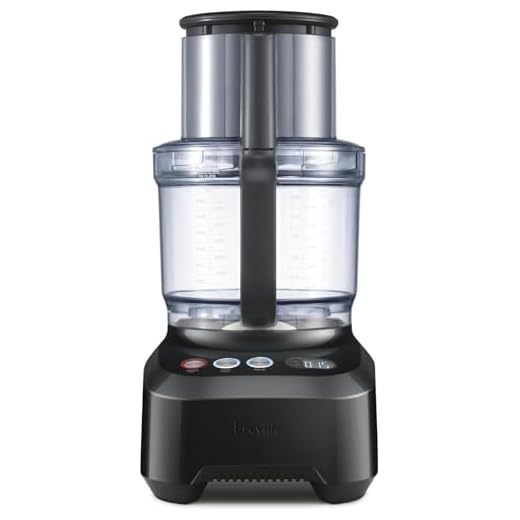


Portability: A Game Changer for Cooking Anywhere
Cordless food processors are designed with portability in mind, making them perfect for various settings such as camping trips, picnics, or even small kitchens where outlet access is limited. Here are some standout models that exemplify this feature:
- Ninja BN701 Professional Plus Bender: This compact processor can easily fit into a backpack or picnic basket, allowing you to blend smoothies or chop ingredients on the go.
- Cuisinart CPC-600: Known for its lightweight design, this model makes it easy to transport. Plus, its sleek appearance means it will look great on any kitchen counter.
Key Benefits of Portability:
- Versatile Use: Ideal for outdoor cooking, tailgating, or even quick meal prep at the office.
- Compact Design: Fits easily in small spaces and can be stored away without taking up much room.
- No Cord Limitations: Use it anywhere without worrying about finding an outlet.
Ease of Use: Cook Without the Hassle
One of the most attractive features of cordless food processors is their user-friendly design. Many models come equipped with intuitive controls and easy-to-follow instructions, making meal prep a breeze. Here are some examples:
- Hamilton Beach 70725A: This model features a simple one-touch operation, perfect for quick chopping or blending without any complicated setup.
- Black+Decker FP1600B: With its easy-to-clean removable parts, this processor simplifies the cleanup process, allowing you to focus on cooking rather than scrubbing.
Advantages of User-Friendly Design:
- Quick Setup: Get started in no time with simple controls.
- Less Cleanup Time: Many models are dishwasher safe, making post-cooking cleanup a cinch.
- Multifunctional: Processes a variety of foods, from chopping vegetables to mixing dough, with minimal effort.
Battery Life: Performance Matters
While the convenience of cordless food processors is undeniable, battery life is a crucial factor to consider. Users should be aware that these models often have limited power compared to their corded counterparts. Here’s how some popular options stack up:
| Model | Battery Life | Power Output | Ideal Use |
|---|---|---|---|
| Ninja BN701 Professional | Up to 60 mins | 1,000 watts | Smoothies, Dips |
| Cuisinart CPC-600 | 30-40 mins | 600 watts | Chopping, Pureeing |
| Hamilton Beach 70725A | 45 mins | 750 watts | Salsas, Dressings |
Considerations for Battery Life:
- Regular Charging: Users must remember to charge their processors after use to ensure they’re ready for the next cooking adventure.
- Limited Use Duration: Depending on the model, some may not last long during heavy or continuous use, so plan accordingly.
- Power Limitations: While great for lighter tasks, these processors might struggle with tougher jobs like kneading dough or blending large quantities.
Potential Downsides: Weighing Your Options
While cordless food processors offer a wealth of benefits, it’s essential to recognize their limitations to make an informed decision. Here are some common downsides to consider:
- Limited Power: Cordless models can have reduced power output, making them less effective for heavy-duty tasks.
- Battery Dependency: Regular charging is necessary, and a dead battery can halt meal prep.
- Price Point: Some cordless models may come at a premium compared to standard processors, so it’s crucial to assess your budget.
Summary of Downsides:
- May not be suitable for extensive meal prep due to limited power.
- Regular charging can be a hassle for some users.
- Higher initial investment compared to corded options.
Cordless food processors can be an excellent addition to your kitchen toolkit, especially if you value portability and ease of use. By considering the models highlighted here and weighing their pros and cons, you can make a well-informed decision that fits your cooking lifestyle.
Key Factors to Consider
When it comes to selecting the right food processor for your kitchen, the choice between corded and cordless models can be a game-changer. To help you make a well-informed decision, we’ll discuss some critical factors to consider, including power requirements, intended use, space considerations, and budget constraints.
Power Requirements
Power is a fundamental aspect when considering a food processor. Corded models typically have a higher wattage, which translates to better performance, especially for tough tasks.
Corded Food Processors
- Example: The Cuisinart DFP-14BCNY 14-Cup Food Processor boasts a 720-watt motor, making it ideal for heavy-duty tasks like kneading dough or processing large batches of ingredients.
- Benefits:
- Consistent power supply
- Suitable for tougher ingredients like nuts or hard vegetables
- No need to worry about battery life
Cordless Food Processors
- Example: The Black+Decker 20V Max Cordless Food Processor offers portability and convenience with a 20V battery.
- Benefits:
- Great for quick tasks or when you’re short on outlets
- Easier to maneuver without being tethered to a power source
- Perfect for outdoor cooking or camping
Intended Use
Understanding how you plan to use your food processor is essential in making the right choice. Think about the volume of food you typically process and the types of food.
Volume of Food Processing
- If you often cook in large quantities, a corded model is generally more suitable.
- Example: The Breville BFP800XL Sous Chef Food Processor has a large bowl capacity (16 cups) and a powerful motor that can handle bulk processing efficiently.
- For smaller quantities and quick tasks, cordless models can suffice.
- Example: The KitchenAid Cordless 5 Cup Food Chopper is perfect for chopping herbs or making small batches of salsa.
Types of Food
- Tougher Foods: If you frequently process dense foods like nuts or root vegetables, a corded model is advisable.
- Soft Foods: For tasks like pureeing soft fruits or making dips, cordless models can be adequate.
Space Considerations
Your kitchen space plays a significant role in your decision.
Corded Models
- Size: Typically larger and more powerful, but they require a dedicated space near a power outlet.
- Example: The Hamilton Beach 70730 Processor is compact yet powerful, making it a good fit for smaller kitchens.
Cordless Models
- Portability: Cordless food processors are generally smaller and easier to store.
- Example: The Ninja BN701 Professional Plus Bender DUO is lightweight and can be stored in tight spaces without taking up much room.
Budget Constraints
Your budget is another crucial factor to consider. Cordless food processors can often be less expensive than their corded counterparts, but it’s essential to weigh the pros and cons.
Price Comparison
| Type | Example Product | Price Range | Power (Watts) |
|---|---|---|---|
| Corded | Cuisinart DFP-14BCNY 14-Cup Food Processor | $199 – $249 | 720 |
| Cordless | Black+Decker 20V Max Cordless Food Processor | $79 – $99 | 20V battery |
| Corded | Breville BFP800XL Sous Chef Food Processor | $399 – $499 | 1200 |
| Cordless | KitchenAid Cordless 5 Cup Food Chopper | $49 – $69 | 7.2V battery |
By considering these key factors—power requirements, intended use, space considerations, and budget constraints—you can make an informed decision that suits your cooking style and kitchen setup. Happy cooking!
Final Thoughts on Choosing the Right Food Processor
In conclusion, the choice between corded and cordless food processors boils down to your unique cooking habits and kitchen setup. If you prioritize power and efficiency, a corded model might be your best bet, especially for heavy-duty tasks. On the other hand, if convenience and portability are more important to you, a cordless processor could be the perfect fit. Take the time to reflect on the pros and cons outlined in this post, and consider how each type aligns with your culinary needs. With the right information, you can make a confident decision that will enhance your cooking experience!



Thanks for sharing your experience with the Cuisinart DFP-14BCNY! It’s definitely a solid choice for those who need a heavy-duty processor. What recipes have you been using it for?
I’d love to see a comparison of different brands like Ninja and Hamilton Beach in your next article. Also, maybe some tips on maintaining both types of food processors would be helpful!
Great idea! I’ll look into a brand comparison and maintenance tips for food processors. Stay tuned for more content on that!
I recently switched to the Cuisinart DFP-14BCNY food processor, and it’s been a game changer in my kitchen! The power is unmatched for big batches. I love how quickly it chops veggies for my meal prep. Anyone else have experiences with this model?
Could you dive deeper into the battery life of cordless food processors? I’m curious if they last long enough for more extensive cooking sessions or if I’ll be running to recharge mid-recipe!
Absolutely! Battery life is a crucial factor for cordless processors. I’ll make sure to include a section on that in future articles. Thanks for the suggestion!
Great article! I used to think cordless food processors were just a gimmick until I got the KitchenAid Cordless 5 Cup Food Chopper. It’s super convenient for quick tasks like chopping herbs without being tethered to a counter. Perfect for small kitchens!