
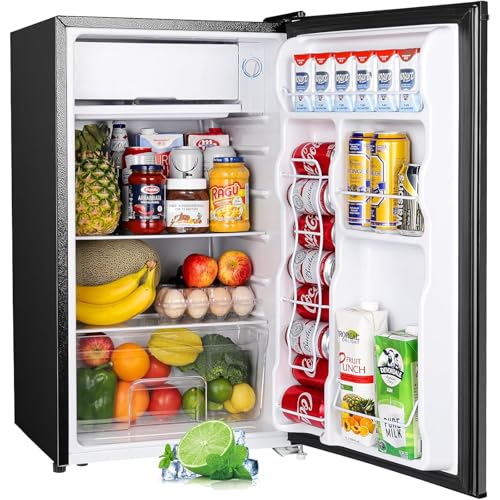

Find the Fridge That Fits Your Life
You want a compact fridge that works and lasts. This guide walks you through clear steps. It cuts the noise. You learn to measure, choose type, check energy and noise, inspect features, and keep your fridge going strong with ease.
What You Need Before You Start
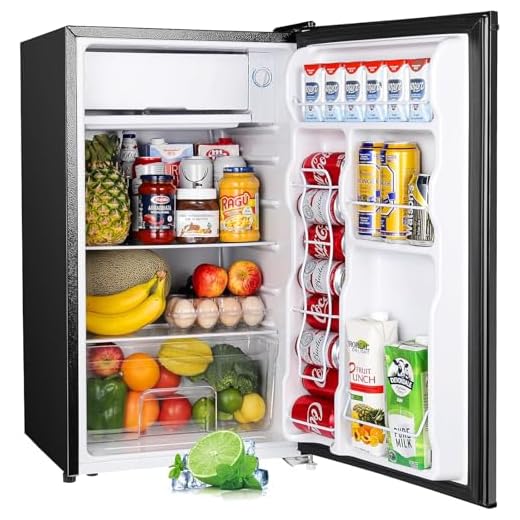
Top 5 Best Mini Fridges for 5-Star Freshness — Your Ultimate Buyer’s Guide
Measure Like a Pro
Don't guess. A few inches ruin a plan. Want to avoid returns? Measure twice.Measure the opening with a tape. Measure the height, width, and depth. Add 1–2 inches for vents and extra room behind the unit. Allow space for the door swing and any handles.
Test the route by carrying a box the size of the fridge. If a 26″ fridge won’t turn a corner, a 26″ fridge won’t fit. Write your numbers down. This stops bad fits and costly trips.

Know Your Capacity Needs
Bigger is not always better. Do you cook or snack? Your habits decide the size.Count what you store. List bottles, cartons, tubs, and frozen meals. Note if you shop once a week or top up daily. Write the counts.
Choose the volume that matches. Read specs in liters or cubic feet. Match the fridge numbers to your list.
Test the layout. Check shelf height, door bins, and the tiny freezer. Fit tall milk bottles on a shelf. Fit ice trays in the freezer.
Pick the size you will use, not the one you wish you had.

Choose the Right Type
Mini fridge, beverage fridge, or true compact fridge? The wrong type haunts you every snack.Learn the types.
Look for a freezer if you need ice or frozen meals. Test whether the tiny freezer fits ice trays or a few frozen dinners.
Consider compressor models for fast cooling and reliable work in hot rooms. Choose thermoelectric if you need very quiet operation, but avoid them in warm spaces.
Match the type to how you live.

Check Energy and Noise
A quiet fridge keeps peace. A hungry one steals power. Want low bills and calm nights?Read the energy label. Look for low kWh per year. A good model cuts cost and carbon.
Compare kWh numbers. Aim for a low figure. For example, a 150 kWh/year fridge uses half the energy of a 300 kWh model. At $0.15/kWh you save about $22 a year.
Test the noise. Listen for hums and clicks. Bring a friend and open the door. Listen from where you sleep.
Place the fridge away from bedrooms if it buzzes. Choose thermoelectric for quiet in cool rooms. Choose a compressor for hot rooms.
Balance power use against price. Pick the model that saves you money and peace of mind over years.
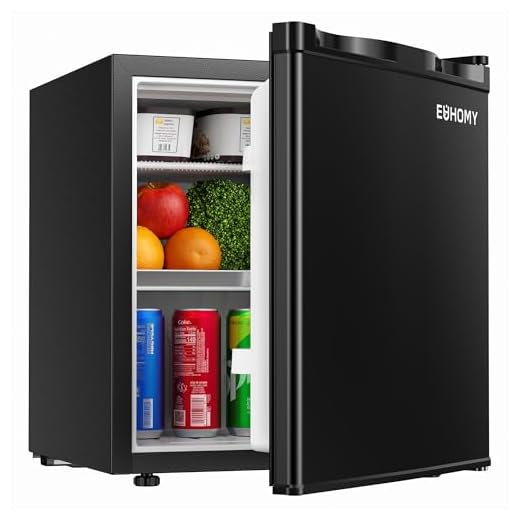
Inspect Build and Features
Fancy lights and smart features are nice. But do you need them? Look for the basics that last.Check the door seals. Press the gasket all around. Look for gaps and tears.
Pull the drawers. Open them full and empty. Feel for wobble and smooth slides.
Test shelves for strength. Place a full milk jug or a heavy pan to see if the shelf bows.
Look for adjustable shelving and spill‑proof trays. Shift shelves and tip a glass to see if spills stay contained.
Try the reversible door hinge. Swing the door the other way to see if it fits your space.
Prefer a compressor with a long warranty over flashy apps. Apps dim; a good compressor runs.
Choose stainless steel for wear. Pick simple, solid parts. Prioritize quality over bells.

Buy, Place, and Maintain
Buying is only half the job. Where you put it and how you care for it decide if it lasts.Choose a retailer with a fair return policy. Ask about restock fees and trial windows. For example, call the store and say you need 30 days to test it in your kitchen.
Check delivery and install options. Ask if they will haul away the old fridge. Ask if they will level and place the unit for you.
Place the fridge on a flat spot. Use a small level. Keep vents clear. Small care gives long life.
Make the Smart Choice
You can pick the right compact fridge. Measure well. Match size and type to your life. Choose quality. Keep it clean, cool. Ready to enjoy cold drinks and fresh food?



Good guide overall but one nitpick: the “Buy, Place, and Maintain” part could use a short bit about leveling. My fridge used to rattle like a tiny jet until I adjusted the feet. Took me longer than I’d like to admit to figure that out. Also, why are fridges judged by how little they complain about being on carpet? 🤨
If vibration keeps happening, check for loose panels or a wobbly top shelf — tiny things can amplify the noise.
Thanks, Tom — leveling is a great callout. We’ll add a quick step about adjusting feet and using a spirit level. Fridges + carpet = not friends, because of airflow and vibration issues.
Using small hard pads under the feet helped me. Lifted the fridge slightly and stopped the rumble.
Great checklist — I actually used the “Measure Like a Pro” section last weekend when replacing an old dorm fridge. A couple things I learned the hard way:
1) measure doorways and any tight corners (I forgot the hallway turn)
2) leave extra clearance for ventilation (the guide mentioned this but I under-estimated it)
3) consider whether you want a freezer compartment — tiny freezers are useless if you like ice cream 😂
Thanks for the practical tips — saved me a return trip!
Totally agree on the freezer thing. If you love ice cream, look for models with a decent-sized freezer or a separate mini freezer.
Thanks for sharing, Emily — glad the guide helped. Good call on measuring doorways; we added a note to emphasize that tighter turns can be the real problem, not just the opening width.
Yep, definitely don’t underestimate the hallway turn. Been there. Also pro tip: take a photo of the space and measurements — saves mental math later.
I appreciated the ‘Know Your Capacity Needs’ breakdown. My experience:
– I initially bought a 3.2 cu ft because it fit the alcove, but it was PACKED and I had to run to the grocery store every 2 days.
– Upgraded to 4.5 cu ft and it’s a different life — fits a small week of groceries + leftovers.
Also, anyone else confuse “usable capacity” with total capacity? Mine had a shelf design that cut usable space in half. 🙄
Good point on usable vs total capacity. We tried to highlight how shelf layout and compressor space reduce usable volume — we’ll add an example to make that clearer.
4.5 cu ft is the sweet spot for single people who cook sometimes.
Thanks for the practical example, Olivia — that’s exactly the kind of real-world detail others will find useful.
That shelf design trap is real. Manufacturers love quoting the biggest possible number while hiding the awkward shape inside.
Tip: measure the items you plan to store (milk carton height, Tupperware) and compare to shelf spacing. Helps avoid surprises.
Nice guide — concise and actually useful. Picked up a few tips before ordering. 👍
Appreciate it, Daniel. Glad it helped — let us know which model you end up choosing!
Seconded. Short and practical = my favorite kind of guide.
Quick question: the guide mentions checking energy ratings and noise. How loud is “too loud” for a compact fridge in a studio apartment? I’m sensitive to hums at night.
I lived with a 42 dB unit and it was fine for daytime but noticeable at night. If you’re sensitive, go for 35 dB or lower and put it on a small rubber mat to reduce vibration noise.
Great question, Marcus. Generally, look for fridges under ~40 dB for bedroom/studio use — quieter ones can be 30–35 dB. Also check for compressor type (inverter compressors are usually quieter) and user reviews that mention noise.