


Start Your Feast
You will make a hot pot feast. You pick the stock. You prep the food. You heat the pot. You cook with care. You build simple dips. You share the meal. Small steps. Clear tips. Eat well. Feel proud together.
You Need

DIY Hot Pot at Home: Easy Recipe, Ingredients & Dinner Ideas
Choose Your Stocks
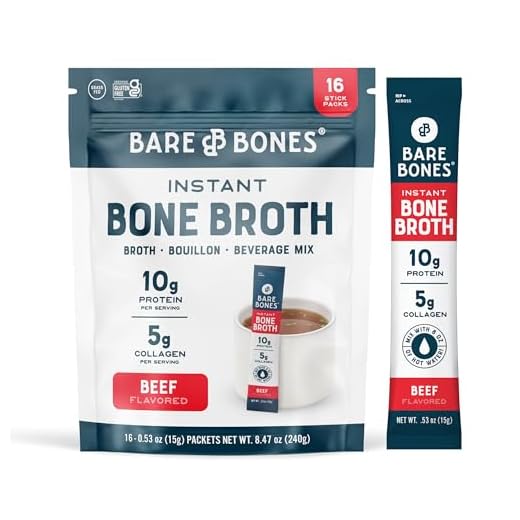
Two stocks beat one. Want deep flavor fast?Choose two stocks. Pick one mild and one spicy. Use store broth or make your own. Roast the bones first. Simmer low and long. Add aromatics. Slice ginger. Smash scallion. Smash garlic. Add dried mushrooms for umami. Taste as you go. Season with salt last. Keep the stock clear to show the food. Keep it rich to hug the meat. Mind the heat in spicy stock. Add chili oil or paste slowly. Test the heat with a leaf of lettuce. Use low salt if guests will dip heavily. Keep hot water aside to thin the stock if it grows too strong.
Warm the pot now. Aim for steam, not a boil. Cover one side for gentle heat. Stir nothing. Let flavor grow. Smell often. Learn fast.
Prep the Ingredients
Tiny cuts, big wins. Why thin slices change the night.Freeze meat slightly. Slice thin. Buy thin slices for quick cook. Try freeze beef 30 minutes; slice like paper.
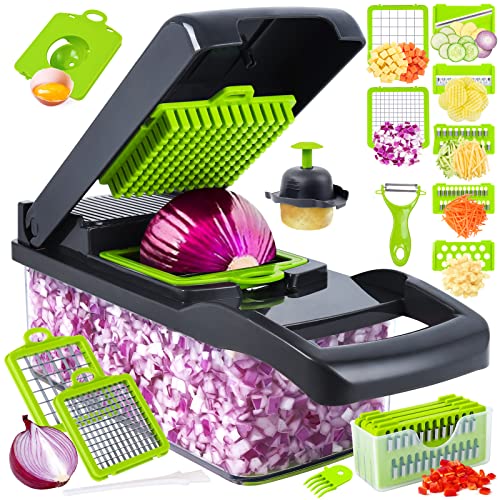
Cut firm veg into bite sizes. Leave leafy greens whole. Trim thick stems. Rinse mushrooms. Soak dried ones until soft.
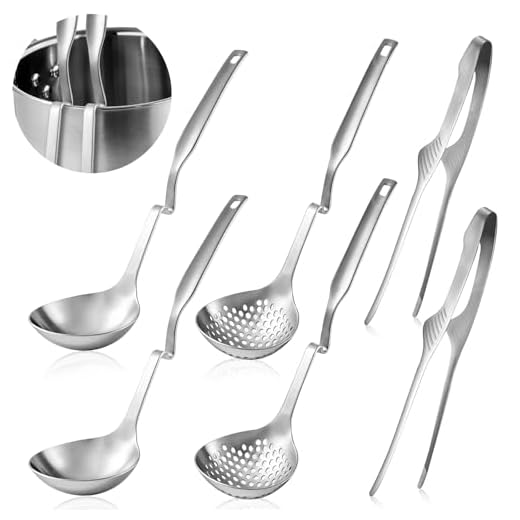
Tie long noodles or portion them into nests. Make small plates for raw items. Label plates for spice-free eaters. Keep raw meat away from veg. Use tongs and two ladles at the table.
Chop garlic, scallion, and cilantro. Put condiments in shallow bowls. Prep a kid plate if children join. Keep a waste bowl near the table. Clean as you go. Move fast. Stay safe.

Set Up the Table and Pot
A calm table cuts chaos. Want zero mess?Place the pot at the table’s center. Use a heat-safe pad. Arrange burners so all can reach. Give each guest a bowl and chopsticks. Add a small plate for cooked food. Place sauce bowls within arm’s reach. Keep tongs for raw meat and a slotted ladle for cooked items.
Test the flame or the electric pot. Heat slowly until steam swirls. Adjust heat to a gentle boil. Lower heat if the pot spits. Stay near the pot. Invite one guest to stir now and then.

Cook with Rhythm
Cook like a band. Keep tempo. Your pot will sing.Begin with bones and root veg. Put carrots, daikon, or marrow in first. Simmer hard. For example, boil bones 20–30 minutes to draw flavor.
Add thin slices of meat later. Push them in. Watch them turn. Meat cooks fast. Fish cooks faster. Drop leafy greens last. They need seconds.
Drop one item at a time. Use chopsticks or tongs to fish items out. Let the pot settle to a gentle boil before you add more. Taste as you go. Feed those who ask first. Watch children and the old. Control the heat.
Rest between rounds. Talk. Laugh. Share sauces and small stories from the day.
Build Sauces and Dips
One great dip can change every bite. Are you ready?Set a base of soy and neutral oil.
Mix vinegar or lime for bite.
Add chili for heat.
Stir sesame paste or peanut butter for body.
Mix garlic and scallion into each bowl.
Offer raw egg for a silky dip if guests want.
Warn about raw egg with children and old folks.
Make a mild sauce for timid eaters.
Make a loud sauce for bold eaters.
Let guests mix.
Put small spoons so no one spills.
Taste each sauce and adjust salt and acid.
Keep one bowl plain sesame oil for quick dunking.
Make every bite sing.

Serve, Share, Clean
End clean, eat longer. Why teardown matters.Pull the pot to low heat.
Let guests finish their last bites.
Use tongs to gather cooked food.
Turn off the heat.
Lift the pot away from the table.
Serve dessert or tea.
Clear plates when they are light.
Soak the pot if food stuck.
Wipe the table while the pot cools.
Wash utensils soon.
Dry and store sauces.
Save any good stock in the fridge within two hours.
Label and date the stock.
Share leftovers in small containers (Mason jars or airtight tubs).
Say thanks.
Plan next time.
Note what worked.
Note what failed.
Put these notes on your phone or a paper list always.

Finish and Repeat
You did well. You chose stock, prepped food, set the table, kept heat, made sauces, and cleaned. You fed friends and family. Learn one thing each time. Keep simple notes. Do it again. Try. Share photos and tips. Start now.



Honestly, the “Cook with Rhythm” bit made me chuckle — I pictured everyone doing a conga line around the pot 😂
But on a serious note:
1) How do you manage raw vs cooked items so people don’t mix chopsticks between them? I’m paranoid about cross-contamination.
2) Any recommendations for a first-timer stock that’s forgiving? I don’t want to overdo spice and scare people off.
Also, your Finish and Repeat mantra is genius. Will be using that as my new life motto.
If you’re afraid of spice, make a split pot (yin-yang) with plain broth on one side and spicy on the other. Keeps everyone happy.
Haha, conga line would be a sight! For safety: provide separate chopsticks/tongs for raw and cooked items (label them or use different colors). Teach guests quickly at the start — 30 seconds saves a lot of gray hairs. For stock: go with a simple chicken or kombu + shiitake dashi — mild, umami-rich, and crowd-pleasing.
I put a little sign by the pot: ‘Raw on left, cooked on right’ and people get it. Also, two sets of serving tongs — lifesaver.
Good point about split pot — mentioned in ‘Choose Your Stocks’ but worth repeating. You can make the spicy side stronger gradually, too.
Nice guide — clear steps. I have one constructive nitpick: the table setup pictures made it look like we need a lot of space. I host in a small apartment. Any compact setup tips for 2-4 people?
Also, do electric hot pots produce enough simmer for thicker broths like bone broth?
I live in a studio and use a portable induction burner on a coffee table with a heatproof tray underneath. Works great for 2-3 people and looks cozy!
Thanks Jenna — great feedback. For small spaces: use a round table if possible (everyone reaches easier), use a single medium pot instead of multiple, and serve ingredients on tiered trays to save surface area. Electric hot pots can handle thicker broths, but make sure the heater has enough wattage and stir occasionally to prevent hot spots.
Loved the step-by-step layout — especially the “Build Sauces and Dips” section. Quick question: do you recommend making all the sauces ahead of time or mixing small bowls at the table?
I usually like a richer sesame sauce but I’m worried it will separate if made too early. Also, any tips on keeping leafy greens crisp while everyone eats? Thanks!
Agree with admin — prep the bases. For sesame, whisk in a little warm water + a tiny oil emulsifier (a drop of honey or tahini) to keep it together longer.
Great question, Sarah! I usually make base sauces ahead (sesame, soy-garlic, chili oil) and leave fresh add-ins (lime juice, chopped cilantro, scallions) for the table. For greens: keep them refrigerated until the last minute and stagger cooking times—add them later in the meal so they stay crisp.
I put the leafy stuff in a separate small bowl on ice if it’s gonna be a long feast. Nobody likes soggy spinach!
Long post incoming — tried this last weekend with friends and a few wild observations:
1) Start Your Feast = everyone arriving hungry. 10/10
2) Choose Your Stocks: we did half mushroom dashi and half spicy mala. Spoiler: the spicy side converted my mild-mannered accountant friend into a chilli evangelist.
3) Prep the Ingredients: thin slicing saved the day. Took forever but worth it.
4) Set Up the Table and Pot: pro tip — small bowls for each person to mix their own dip, and a communal ladle for soup tasting.
5) Cook with Rhythm: it turned into a slow, delightful chaos. Perfect.
6) Build Sauces and Dips: someone brought peanut butter instead of sesame paste — accidental masterpiece.
7) Serve, Share, Clean: we made a game of cleaning (loser washes).
Couple of notes: we underestimated how much protein to buy (buy extra) and the broth got a bit cloudy — normal? Also, how do you rescue over-salty broth? I accidentally added too much miso.
This reads like a great party — love it! Cloudy broth is normal as proteins and starches release; it’s more about clarity than flavor. To fix over-salted broth: add unsalted hot water or a peeled potato (cook until soft, then remove) to absorb some salt, or add a splash of acidity (vinegar or lemon) to balance. Buying extra protein is always smart — leftovers are welcome at my table 😄
Potato trick works. You can also toss in some blanched rice or noodles — they soak up salt too, but that also changes the meal.
We play ‘no-chopstick-touching’ rule — if you touch raw, you get a penalty. Works surprisingly well 😂
Buy extra protein AND veggies — they disappear fast. Also, freeze leftover broth in zip bags for future risottos and soups.
One more: if it’s slightly too salty, add a bit of unsweetened coconut milk or a neutral oil to mellow it out, depending on the broth flavor.
Quick tip from my last hot pot night: mix half soy sauce and half rice vinegar as a light dip, then add sesame oil and chopped garlic as desired. It’s fast, bright, and keeps the rich broths from becoming samey.
Also, shoutout to the “Serve, Share, Clean” section — setting expectations for cleanup saved me so much awkwardness. Love the Finish and Repeat energy!
Adding a tiny bit of sugar to that mix balances the vinegar nicely. Try it once!
Great combo, Emily — that soy + rice vinegar base is a winner. Glad the cleanup section helped; a little structure goes a long way.