


Pick with Proof, Not Promises
You want gear that works and wastes less. Data cuts the guesswork. Read facts. Save time. Make choices that last.
This guide shows what matters. Materials. Footprints. End-of-life. Uses. Tradeoffs are real. You will learn to weigh them.
Use simple tests and reliable sources. Match product to need. Avoid hype and claims. Ask for measurements. Look for numbers, not slogans.
Take small steps. Buy less. Choose better. Let data pick your eco lunchware.
This article hands you a clear checklist. Use it at the store, online, or when you pack your meals every day now.
Let Data Guide Your Choice
You want proof, not puff. Numbers beat labels. Start small. Ask clear questions about use. Then read the data that answers them.
Ask questions first
What will you serve? Hot soup or salad? Sticky sauce or dry snacks?
How long will it sit? Minutes, hours, or an all-day commute?
Where will it go after use? Reuse, recycling, or landfill?
These three shape every good choice. They cut the options fast.
Key metrics to watch
Look for simple numbers. They tell a clear story.
You want low harm across the set. Not just one low number.
Why one number can lie
A product can score low on carbon if it is light and made once. But if it ends up in landfill after one use, the real harm grows. Compostable PLA might look good on paper. Yet it needs industrial composting. If your town sends it to landfill, you get plastic-like waste. A stainless box may have higher upfront carbon but can last a decade. That can beat single-use every time.
Match product to purpose — quick steps
- Define the use. Daily hot lunch vs. occasional picnic.
- Check durability claims and weight. Heavier often means longer life.
- Find end-of-life rules where you live. Is industrial composting available?
- Watch for toxins. If you heat food, avoid plastics with unknown additives.
- Divide choices by scenario. For long use: metal or thick silicone. For one-off events: certified compostable paper or bagasse — but only if composted.
Example: For hot soups you want stainless steel or high-temp silicone. For a tossed salad, a lightweight PP container may work if you reuse it daily. If you cannot compost locally, skip “compostable” labeled items.
Use the data to match product to how you actually live. Pick the thing that causes the least harm in your hands.
Know the Materials and Their Tradeoffs
You need plain facts. Know what each material starts as. Know what it eats for energy. Know what chemicals it wears. Know how it ends where you live.
Paper and molded fiber
They start as wood pulp. They use heat and pressing. They are light and cheap. They soak up grease unless lined. A hot, oily curry will leak with plain paper. A grease liner helps. But liners can block recycling and home composting. Quick check: press a greasy spot. If it darkens through, it may need a liner.
Bagasse (sugarcane fiber)
Bagasse comes from crushed cane. It faces heat and steam to form strong fiber. It holds oil and heat well. Street vendors use it for hot meals. It often composts in industrial and some home piles. Ask your composting site if they accept it. If they do, bagasse is a solid pick.
PLA and plant-based bioplastics
They start as corn or sugar. They look like plastic. They melt and mold like plastic. They need industrial composting to break down fast. In a regular backyard bin they can last like fossil plastic. Check local facilities. PLA may also warp with hot grease. If you run a cafe, don’t buy PLA unless you have a certified compost pick-up.
Coated paper and waxed fiber
Coatings block grease. They save leaks. They also block recycling streams. Many municipal systems reject them. Waxed boxes can ruin a bale of paper at a sorter. If your recycler won’t take them, they go to landfill.
Wood and bamboo cutlery
They start as trees or fast-growing bamboo. They need little processing energy. They add solid waste if you don’t reuse or compost them. They can be composted in many systems but not all. They break well in warm, active compost piles.
PET and traditional plastics
They start from oil. They are strong and cheap. Some places recycle PET well. Many places do not. They persist if littered. They can also leach additives if heated. For heated food, prefer proven, food-grade plastics and check local recycling codes.
What to learn for any item
Ask your hauler. Run a quick grease and heat test at the counter. Buy the least harmful match to your waste stream and your menu.
Measure the Real Footprint: Life Cycle and End-of-Life
What life cycle covers
A true count looks past the label. Life cycle means raw material to disposal. That includes extraction, transport, manufacture, packaging, use, and final handling. Each step adds energy, water, and emissions. Some parts hide big harms. You must find them to judge fairly.
Do the per-use math
Think in uses, not units. A heavy item may cost more to make. It can win if you use it many times. A light single-use item may cost less to make but add waste every meal.
Simple formula to try:
Plug in rough numbers. Count miles, weight, and how you clean it. A dishwasher cycle can use electricity and water. Divide that by how many items share the cycle. You get a washing cost per item. Use that in the sum.
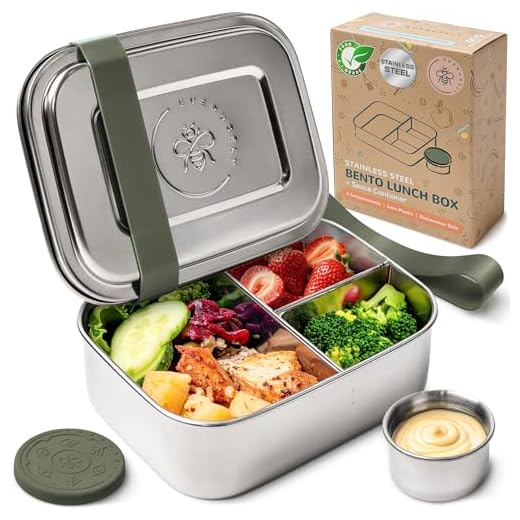
A stainless steel lunch box has a high upfront cost to make. Use it hundreds of times and it beats disposables. For a hands-on model test, try the 27oz Stainless Steel 3-Compartment Bento Box with Condiment Container.
End-of-life reality checks
Labels lie about composting and recycling. Compostable tags mean nothing if no facility takes the item. Recycling claims fall apart when food soils the item. Landfills are not neutral. Wet organic waste can make methane. Methane is a potent greenhouse gas. Factor disposal routes into your math.
Quick how-to steps you can use today
These checks will change choices. They point you to real wins.
Match Product to Use Case: A Practical Checklist
You must match the product to the job. A great item that does not fit will fail fast. Use this tight checklist every time you buy. It will cut waste and cost.
Quick Checklist — what to note
How to test fast, at the shop or office
Fill. Seal. Shake. Put a hot soup inside and heat it. Look for steam leaks. Drop it on a hard floor. Open and close it 20 times. If it fails these, it will fail in the field.
Run a quick heat test. Heat to service temp. Check lid seals and inner liners. For oily foods, test with cooking oil. Food oils ruin some compostable trays and clog recycling streams.
Check stack fit. Does it nest to save shelf space? A nested set cuts storage waste by half. Measure shelf height. If lids add 2 inches, you lose space fast.
Score each option — simple math
Give three scores from 1 (poor) to 5 (good):
Add the three scores. Set a minimum functional score for your use (for delivery you might need 12; for dine-in 9). Pick the lowest-harm option that meets the minimum.
Example: a PP reusable clamshell may score 4-4-3 = 11 for takeout. A compostable bagasse box might score 2-3-5 = 10. If you need a long haul, choose the 11. Small fit wins lower waste fast.
Keep this list in your procurement folder. Use it again when you test suppliers or try a new product. The next section shows where to find the data and how to run simple, repeatable tests yourself.
Find Reliable Data and Run Simple Tests Yourself
Where to look first
Start with life cycle studies and EPDs. Look for third‑party LCAs and Environmental Product Declarations. Seek lab reports for strength, compostability, and migration. Trusted certs must match how you will dispose: BPI or ASTM marks for industrial composting; OK Compost HOME for home compost; ISO or UL marks for safety and recyclability. If a vendor can’t show proof, ask why.
Watch for greenwash
A glossy claim means little. “Compostable” that lacks a cert is greenwash. “Biobased” without an end‑of‑life plan is useless. Ask for the test method, the lab, and the date. If you spot vague claims, push for the raw report. If the vendor stalls, move on.
Quick field tests you can run
Do these in your kitchen. They take little time and reveal real problems.
Run these on a few units of each product. Record failures. Note food types that beat the item.
Run a small trial and talk to the chain
Buy a small batch. Use it in real service for a week. Count failures. Track how often items go to landfill versus recycle or compost. Measure the trash by volume or bag count. Ask your hauler or local composter if they will accept the item. Ask them how they handle contamination. Their answer matters.
Use the data and listen to the team
Keep a simple log: date, item, failure type, disposal route. Share it with staff. If the trash pile grows or the complaint count rises, change the product or tweak the process. You will save money and waste by testing first and scaling later.
Next, put these findings into practice as you read the final takeaways.
Let Facts Lead Your Choice
Data keeps you honest. Use it to cut waste and cost. Match material to use. Match it to your waste system. Test fast. Measure life cycle. Note end‑of‑life. Let numbers guide swaps. Change when the numbers point a new way. Stay practical. Stay curious.
Start small. Try one item. Track results. Scale what works. Share facts with peers. You can make better choices. Act now. Recheck often. Let facts lead your lunchware and your spend. Measure cost and carbon. Prefer repair and reuse. Avoid single‑use waste. Use good data, not habit. Teach others. Start today.



Good read but a bit idealistic? “Let facts lead your choice” — sure, if you have time to run life-cycle analyses before lunch 😂
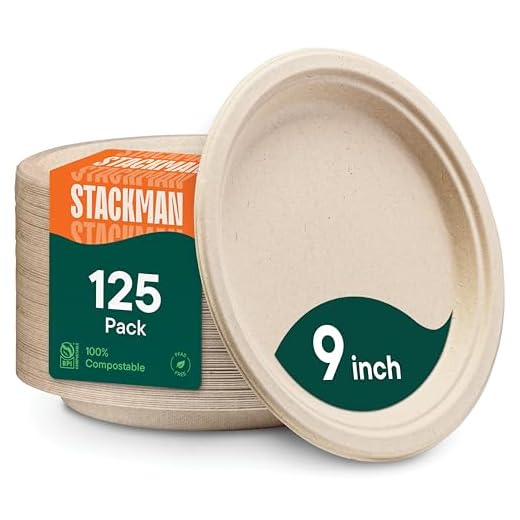
Real talk: I alternate between washing my stainless 27oz bento and grabbing compostable plates when hosting big groups. Cost and convenience matter. The 125-Pack is cheap and reduces dish duty, but where do those plates actually get disposed? (My city doesn’t accept compostables in curbside bins.)
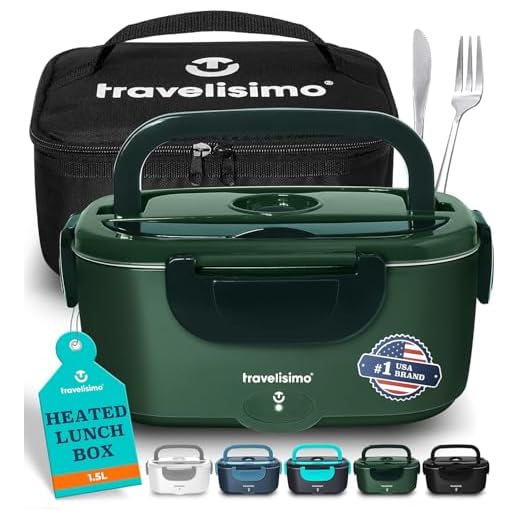
Also curious if anyone tested the 80W 1.5L Electric Portable Heated Lunch Box for travel — is it worth the extra baggage?
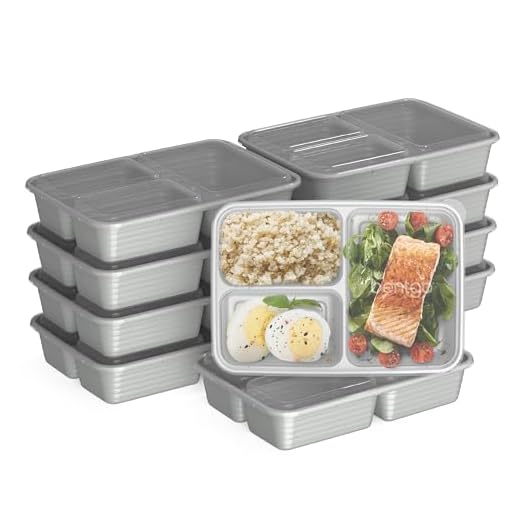
If you’re short on space, consider the Bentgo Prep set for meals and the stainless bento for days you need hot food. Heated boxes are more niche imo.
Good point, Aaron — the article’s ‘Find Reliable Data’ section suggests checking local disposal infrastructure early. That can save both money and guilt.
For travel, the electric heated box is clutch if you’re on long trips with no reliable microwave. But yes, it’s extra bulk. If you can get by with thermos-style containers it’s lighter.
I live in a city that doesn’t compost curbside either. I use those compostable plates only for events where I can collect and bring to a composting drop-off — otherwise they end up in the trash, which defeats the purpose.
Totally fair — the article tries to balance rigor with practical quick checks. If your municipality doesn’t accept compostables, that shifts the math heavily toward reusables unless you can access industrial composting.
About the heated lunch box: it can be worth it for travel if you need hot meals and it replaces buying hot meals in single-use containers. But check energy use and warranty.
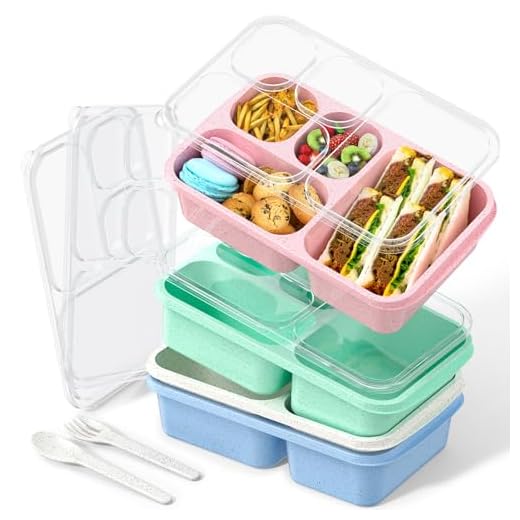
Haha, the article basically saved me from buying 10 different ‘eco’ kits. I was eyeing the Large Capacity 4-Compartment Stackable Bento Box Set and the 80W 1.5L Electric Portable Heated Lunch Box for my commute.
Pros/cons: heated lunch box = amazing for reheating, but electricity + device lifetime = small footprint? 🤔
Also, anyone tried the 20-Piece Bentgo Prep Three-Compartment Meal Prep Set? I want to know if it actually stacks in my fridge without looking like Tetris gone wrong.
I own that Bentgo Prep set — stacking is decent, not perfect if your shelves are full. Heated box: if you use it daily for years and it replaces single-use takeaway trays, it can amortize the footprint. But check build quality, some cheaper ones die in a year.
Great question, Lena — we noted the device-lifecycle tradeoff in ‘Know the Materials and Their Tradeoffs’. A durable electric lunch box can be low-impact if it replaces repeated takeout containers and microwaving in disposable containers, but you should factor in device lifetime and energy source.
Bentgo sets usually stack well if you get the prep one (the 3-compartment is designed for fridge stacking).
Also check return policies — I sent back one heated box after 6 months because the heating element failed. Not all brands have good warranties.
Nice read. I’d like more on certifications and real end-of-life outcomes. The article mentions life-cycle and end-of-life — any quick tips for verifying that a ‘compostable’ label actually means industrial compostable vs home compostable?
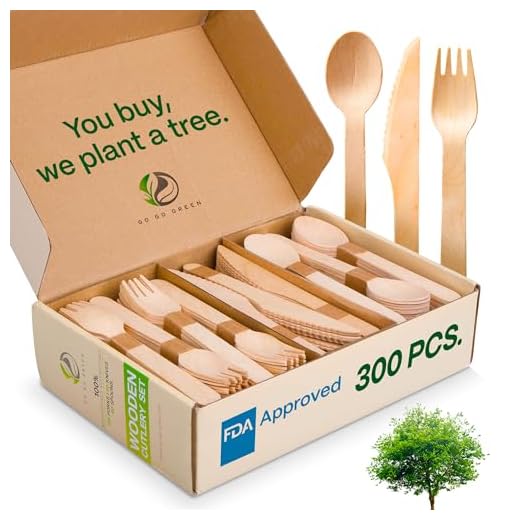
Also: does anyone have data on the 300-Piece Wooden Compostable Cutlery Set Party Pack breaking down in backyard compost vs industrial? I’m skeptical of backyard claims — wood can take longer depending on conditions.
Good, practical question. Short answer: look for ASTM D6400 or EN 13432 for industrial compostability; those are test standards. Home-compostable claims are rarer and less standardized.
For wooden cutlery, industrial composting will be faster. Backyard composting varies wildly — temperature and aeration matter. The article’s ‘Measure the Real Footprint’ section has a mini-protocol for backyard vs industrial tests.
I did a backyard test on wooden cutlery last summer — they were noticeably smaller after ~6 months but not fully gone. If you have a hot compost pile it’s faster. Don’t expect paper/wood to vanish like magic in cool piles.
If you want, I can post a quick checklist for testing items at home (time intervals, mass checks, photos). Helps to gather anecdotal data before you vote with your wallet.
Love the approach here — let data do the talking instead of green-speak. I liked the ‘Pick with Proof, Not Promises’ part.
Quick notes from my household testing: the 125-Pack 9-Inch Compostable Heavy-Duty Dinner Plates are great for parties but they sog up if food is greasy for too long. The 300-Piece Wooden Compostable Cutlery Set works fine but the forks bend on denser foods.
Would love a simple checklist for when to pick compostable single-use vs the 27oz Stainless Steel 3-Compartment Bento Box for daily lunches. Life-cycle stuff matters more than packaging labels imo.
Thanks Marcus — glad the data-first angle landed. Good point about the plates and cutlery: the article’s “Match Product to Use Case” checklist is aimed at exactly that tradeoff. For greasy/long-sit foods, durable reusable (stainless) usually wins. Compostables shine for short-use, low-liquid scenarios.
Totally agree re: forms of use. For office lunches I use the 27oz stainless box — no leaks, stays fresh. For weekend BBQs where we have a ton of guests, those 125-pack plates are convenient. Balance is key.
If it helps, we included a tiny home test you can run under ‘Find Reliable Data and Run Simple Tests Yourself’ — weight, soak tests, and how long compostables hold up. Happy to post a quick template if people want it.
Really practical article — the ‘Match Product to Use Case’ checklist is exactly what I needed.
I bought the Large Capacity 4-Compartment Stackable Bento Box Set and the 27oz stainless one for different days. The 4-compartment set is great for family dinners and batch cooking, while the 27oz is perfect for solo lunches.
Tiny typo in the ‘Find Reliable Data’ subheading (maybe ‘Reliable’ repeated?) but overall super useful. 😊
Which one do you use more often? I’m torn between the two for weekday vs weekend use.
Thanks Sofia — glad the checklist helped! Appreciate the note about the typo, I’ll get that fixed.