


Stop Bad Rice. Pick Your Cooker.
Bad rice will kill a meal. Half of home cooks say their rice is mushy or burnt. You want rice that sings. You want grains that separate, steam, and hold flavor. The right cooker does that. The wrong one wastes time and money. You will learn how to stop bad rice.
This guide shows what matters. Why the Cooker Matters makes clear. Types of Rice Cookers helps you pick. Features That Make Better Rice shows the tech that counts. Match Cooker to Rice and Your Life pairs cookers with dishes and habits. Cook and Care teaches use and upkeep. Buy Smart covers budget, warranty, and what to skimp on. Read on. Pick with confidence.


Mastering Perfect Cooked Rice: Simple Storage Tips
Why the Cooker Matters
Heat wins first
Rice cooks with heat. The grain swells as starch gels. Too hot and it breaks. Too cool and it stays chalky. Your cooker sets the heat curve. A good one brings water to a boil, holds a steady simmer, then eases to gentle steam. A weak one spikes and falls. The spikes tear grains. The falls leave cores.
Moisture and steam control
Moisture is not just water in the pot. It is steam, trapped or lost. The lid design, vent size, and pot fit decide how much steam returns to the rice. Metal lids can condense and drip. Tight glass lids trap more steam. The result is stickier rice or drier rice. You can rinse and measure perfectly. The machine still decides the finish.
Timing and sensing
Timing matters less than sensing. Cheap cookers run on timers. Good cookers read temperature and adjust. Zojirushi models, for example, use fuzzy logic to slow heat as grains finish. Multicookers like Instant Pot use pressure to speed things up. You want a cooker that slows down near the end. That stops overcooking and gives you separate grains.
What bad cookers do
You see this at potlucks. You will taste it in leftovers. A bad cooker turns care into mush.
How to judge one fast
Watch its lid fit. Check for a heavy inner pot. Ask if it senses temperature or uses a clock. A simple test: cook 1 cup white rice with 1.25 cups water. Good cookers finish in about 18–20 minutes and give loose grains. If your rice comes out off, the machine is the likely cause.
Next, learn the cooker styles and which one fits your kitchen and goals.
Types of Rice Cookers: Pick the Style That Fits
Basic on/off (stove-forget)
You press cook. The pot heats. It clicks off when dry. You get fast white rice. You pay little. You must watch brown or sticky types. They need longer hold and gentler finish. If you want simple, choose a heavy inner pot and tight lid.
Fuzzy-logic (smart heat)
These models sense temp. They slow the heat as rice nears done. They give fluffier white and better brown. They tame sushi rice without mush. Zojirushi and Tiger lead here. If you cook varied rice and want hands-off quality, this is the sweet spot.
Induction heating
Induction moves heat through the pot itself. It gives even, quick response. Grains cook more evenly. Induction excels at delicate sushi rice and short-grain sticky rice. It costs more. But it rewards you with a cleaner texture and fewer scorched bottoms.
Pressure rice cookers
They trap steam and raise pressure. Rice cooks faster. Brown rice gets tender without long soaking. Pressure tightens the bite on some white rice; that is useful for stir-fries. Use caution with delicate sushi rice—pressure can over-compress grains.
Multi-cookers (Instant Pot style)
These add steam, slow-cook, porridge, and pressure. They do many jobs well. For pure rice quality, they match fuzzy-logic only sometimes. They shine if you want one device for meals, not just rice.
Size matters
Small 1–3 cup cookers suit one person. Large 8–10+ cup pots feed a family or a party. Don’t buy a huge cooker to save time; half-full pots can cook poorly. Match capacity to your meal habits.
Quick how-to:
Features That Make Better Rice
Capacity and fit
Buy for the meals you cook. A pot half full will steam oddly. A pot too small forces extra batches. Match cups to your habits. If you eat rice daily, aim one size up.
Inner pot: thick, heavy, or nonstick
A thick pot spreads heat. It cuts hot spots and scorches. Stainless steel with an aluminum core lasts. Nonstick helps clean up. But thin Teflon pots wear fast. Prefer a heavy pot you can scrub when needed.
Sensors and cooking logic
Good sensors listen to the rice. Fuzzy-logic models adjust power as rice nears done. The result: steadier texture. If you cook mixed grains or brown rice, this matters. Example: Zojirushi models sense small shifts and finish gently.
Keep-warm and timers
A strong keep-warm keeps rice soft without drying. Look for units that cycle heat rather than hold full power. A delay timer is simple but life-changing. Set the pot at night. Wake to hot rice.
Steam and stacking
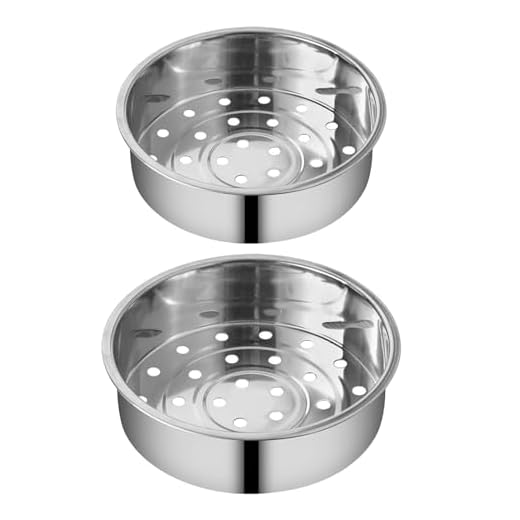
A steam tray turns a rice cooker into a meal maker. You can steam veg while rice cooks. This saves pans and time.
A removable tray also makes cleanup easy. If you like one-pot dinners, this is a big win.
Sealed lid and gasket
A tight lid traps steam. A loose lid leaks heat and makes dry rice. Removable gaskets are easier to clean. Test the seal with a simple steam run before you commit.
Controls: clear, not cluttered
You want buttons you can read at dawn. Fancy icons look nice. Plain labels help more. If a cooker hides key settings behind menus, skip it.
What to splurge on and skip
Spend on a heavy inner pot, real sensors, and a reliable keep-warm. Skip gimmicks: lights, apps you won’t use, or dozens of preset icons that mean the same thing.
Next up: match these features to the rice you love and the life you lead.
Match Cooker to Rice and to Your Life
Size and capacity
Think small or think big by what you eat. One uncooked cup per adult per meal is a good rule. A 3-cup cooker fits one or two people. A 5–10 cup unit feeds a family or meal-prep sessions. Don’t buy a pot so large it sits half empty. It cooks wrong when half full.
Modes and grains
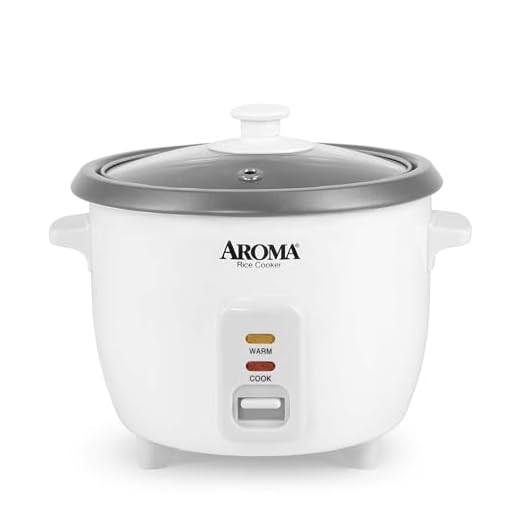
Know the grain you eat. White rice wants a quick, hot phase then a short rest. Brown rice needs long, steady heat. Mixed grains call for a porridge or multigrain mode. If you make sushi, aim for a cooker that yields firm, dry grains and a strong final steam. Brands to watch: Zojirushi for steady, smart heat; Tiger for reliable basics; Aroma for simple, small cooks.
Handling mixed grains and texture
Rinse well. Soak whole grains 20–30 minutes. Add 10–20% more water for mixed blends. Use the brown or multigrain setting if you have one. If your cooker lacks one, extend the soak and add heat by letting rice sit on “keep warm” with the lid closed for 10 minutes after cook. Fluff with a paddle to separate grains.
Speed vs. texture
Fast modes save time. They can make rice gummy. Fuzzy-logic or induction units trade speed for even texture. If you want both, cook on a fast cycle, then steam with the lid closed for 5–10 minutes.
Fit to your life
Match features to habits:
Pick the cooker that fits your daily routine. Next, you’ll learn how to use and maintain it so it keeps making great rice.
Cook and Care: How to Use It Right and Keep It Working
Rinse and measure
Rinse rice. Stop the white foam. It washes away excess starch. Measure with the cup that came with your cooker or a standard cup. Use consistent cups. That makes a world of difference.
Water and timing, plain and simple
Match water to grain:
Always check your cooker’s manual. Adjust by a tablespoon if you like firmer or softer rice. Note: altitude, pot size, and age of rice change absorption.
Cook, rest, and fluff
Start the cooker and walk away. When it finishes, let rice sit, lid closed, 10–15 minutes. Steam evens out the grains. Use the plastic paddle to fluff. Scoop from the edges first. That keeps the center from getting mushy.
Clean and maintain
Wash the inner pot and lid after each use. Dry them well. Empty the steam vent and peel back any gasket to dry. Don’t use metal tools on nonstick surfaces. Replace worn gaskets or scratched pots.

Descale if you have hard water. A small build-up changes heat and taste. Use a descaler made for kitchen gear. Run a plain-water cycle after any cleaner.
Quick fixes for common faults
Store it safe
Cool rice fast. Put in the fridge within two hours. Use within four days. Freeze for longer. Reheat with a splash of water and cover to re-steam.
Next, learn how to choose the right model so these habits pay off every day.
Buy Smart: Budget, Warranty, and What to Skimp On
Set your budget by use
Decide how often you cook rice. Buy for that. Cook once a week? A basic pot will do. Cook nightly? Spend more. Pay for better heat control and a tough inner pot if you cook a lot.

Spend where it matters
Pay up for these things:
What not to overspend on
You do not need 25 presets. Fancy menus look good in ads. You will use two or three modes at most. Skip touchscreen glitz and apps unless you truly need them.
Warranty and real reviews
Look for at least a one-year warranty. Premium brands often offer longer support. Read long-term reviews. Buyers who use a cooker daily reveal the real problems. Watch for notes on pot warping and the heater failing.
Practical checks before you buy
With this list, you can walk into a store or click buy with a clear plan. Next, finish the article to seal the deal.
Make Better Rice Every Time
Stop blaming your recipe. Blame the tool you pick. Choose a cooker that fits the rice you love and the life you lead. Match grain to mode. Use the right water. Press start and walk away. Care for the pot. Wash the lid and the inner bowl. Replace parts when they fail. Learn a few simple tricks and you will see the change.
Buy smart. Spend on what helps your cooking. Skip the bells that add noise. Use your cooker well and clean it often. Then you will get good rice, every time. With ease.



I appreciate the ‘Buy Smart’ section. Warranty info saved me from dumb purchases. For those on a budget: Hamilton Beach 8-Cup Programmable is a decent starter, but if you’re serious about rice, upgrade later. Also lol at the bit about ‘what to skimp on’ — I skimmed and still bought the cheap lid seal once. Lesson learned.
Agreed — buy the best inner pot you can. Saves money long-term.
Great takeaway, Olivia. Budget models work but watch out for poor seals and flimsy inner pots; those create inconsistent steam and uneven cooking.
I still use a stovetop pot like it’s 1995. After reading the article I might try a simple programmable unit. Anyone coming from stovetop — which model is easiest to learn? I don’t need fancy presets, just consistent rice.
Tom — the Hamilton Beach 8-Cup is also simple and has a clear manual. You won’t miss stovetop once you try one.
Thanks — I’ll check those out. Maybe start with a 6-cup so it’s not massive.
For a plug-and-play experience, the Aroma Digital Programmable 8-Cup is user-friendly and consistent. If you want even simpler, the Aroma 6-Cup Stainless Pot-Style is very straightforward.
Funny story: I bought an Aroma 6-Cup Stainless Pot-Style Rice Cooker on sale, thought it was broken because steam kept escaping from the side. Turns out I had the rubber seal on backwards 😂 Fixed it and been golden ever since. Article should add a picture of common user errors — like seal orientation, lid not seated, etc.
Brilliant phrase: ‘stray grain smuggler’ — love it 😂
Also check for stray grains under the rim — they can stop the lid from sealing properly.
Yep! It was a stray grain smuggler under the gasket that day.
That’s a perfect example — small assembly mistakes cause big headaches. We’ll add common user-error photos to the troubleshooting section in the next edit.
Question: anyone used the Instant Pot Duo Plus for risotto? The article mentions multicookers but I’m worried about texture. I like my risotto creamy but not mush.
Thanks! Will try this weekend and report back 😊
I do risotto in the Instant Pot all the time. Sauté + 6 mins high pressure, quick release, and stir like crazy. Texture is spot on for me.
Instant Pot risotto can be great if you use the ‘sauté’ to toast the grains first, then use high-pressure for a short time (typically 6-7 minutes depending on rice). Stir in butter/cheese off heat to finish — avoids overcooking.
Quick PSA: don’t put the inner ceramic pot in the dishwasher unless the manual explicitly says so. I ruined a glaze once. The article’s ‘Care’ section was spot on. Pro tip: use a silicone spatula to avoid scratching.
Also, a quick soak does wonders for stuck grains. No scrubbing necessary.
I handwash everything now. The dishwasher blast is brutal on coatings.
Good warning, Noah — always check the manual for dishwasher safety. Silicone or wooden spatulas are safer for nonstick/ceramic.
This guide was super helpful — finally an explanation of why my rice turned gluey. I switched from a cheap pot to an Aroma Digital Programmable 8-Cup Rice Cooker last year and the difference is night and day. Also love that the article talks about matching cooker to rice type. Saved me a ton of trial and error!
Totally agree. I moved to the same Aroma and my sushi rice actually behaves now. Pro tip: rinse rice until water runs clear.
Thanks, Emily — glad it helped! If you cook a lot of jasmine, try the ‘white rice’ setting on the Aroma and reduce water slightly for fluffier results.
Rinsing helps sooo much. Also worth trying the steamer baskets (Aynaxcol) for vegetables while rice cooks — multitasking win!
I tried the Aroma Digital vs. a cheap no-name cooker — the Aroma kept rice warm without getting that weird smoked taste my cheap one had. Money well spent. Also — does anyone use vinegar when rinsing? My nana swears it helps.
Vinegar can help remove surface starch and kill microbes, but a few rinses with water are usually enough. Glad the Aroma worked out for you!
I’ll try lemon next time. Thanks for the tip!
My grandma used a splash of lemon instead. Cultural family hacks are the best 😂
Not trying to be picky but the article missed humidity differences by region — people in humid climates should reduce water a bit. Also, Durgol Swiss Steamer Oven Descaler 16.9oz is a good shout for keeping vents clear if you have hard water. Saved me from a blocked steam valve last month.
I’m in Florida, can confirm you need less water! Learned this the hard way 😂
Nice point about humidity — we could’ve expanded that. Thanks for the descaler confirmation; it’s an often-overlooked maintenance step.
Short and honest: if you want perfect rice without babysitting, buy a decent programmable cooker. I got the Aroma Compact 3-Cup Ceramic Rice Cooker for small meals and it’s tiny but perfect for two. Ceramic pot cleans way easier than nonstick for me.
PS: ceramic chips sometimes — handle with care.
Owen: same ratios usually work, but small pots can lose more steam. Try 0.5 tablespoons less water per cup as a starting experiment.
Owen — I drop water by about 5-10% for the 3-cup, depends on rice age. Start with package ratio then tweak.
I love the 3-cup size for weekday dinners. Quick, compact, and no stuck-on gunk if you soak it right after.
Do you use the same water ratio as with a larger cooker? Trying to scale down recipes and always overcook.
Good note on ceramic chipping, Carlos. Ceramic gives nice flavor but can be more delicate. If you use metal utensils a lot, a stainless inner pot like the Aroma 6-Cup might be safer.
I’m meh on big buttons and flashy displays. The Hamilton Beach 8-Cup Programmable Rice Cooker looks nice but anyone tried it for sticky rice? Is it worth the counter space? 🤔
I’m nitpicky but would love a follow-up chart matching rice types to exact settings/water ratios for each model mentioned (Aroma, Hamilton Beach, Instant Pot). The ‘Match Cooker to Rice’ is helpful but could be more specific. Anyone have ratios they’ve tested?
I wrote down ratios for my Instant Pot and Aroma — can share a pic later if the admin wants to compile community-tested numbers.
If others share their tested ratios, we’ll collect them into a reader-friendly chart for a future update. Thanks for the idea.
Good suggestion, Liam — a model-specific chart is a great idea for a follow-up. Meanwhile, a baseline: for white rice start at 1:1 (Instant Pot) or 1:1.25 (Aroma pot), adjust +/- 10% by personal preference.
I’d appreciate that — community data would be super useful!
Two cents: I bought Aynaxcol Two-Piece Stainless Steel Steamer Baskets to steam veggies while rice cooks in my Aroma — life-changing for meal prep. Just stack them on top and you get a one-pot dinner. Cleaner kitchen + healthier lunches.
Love that hack, Grace. Steamer baskets are underrated — check clearance fits because some cookers have low lids and full baskets won’t fit.
Daniel — I haven’t noticed flavor change. Bamboo is great too but harder to clean.
Bamboo can absorb flavors; stainless is neutral and easier to sanitize. Both have pros.
Does anyone worry about stainless altering flavor? I switched to bamboo steamers occasionally.
Long post: I’m obsessed with grain texture so I tested three cookers over a month. Instant Pot Duo Plus 9-in-1 Multicooker gives great results for brown rice — the pressure setting beats timed electric cookers for chewy-but-cooked grains. But for quick white rice I prefer a dedicated pot-style like the Aroma 6-Cup Stainless Pot-Style Rice Cooker. Also, do not skip the Durgol descaler if you have hard water. It made a noticeable difference in my steam vents and taste.
Steps I follow:
1) Rinse rice twice
2) Adjust water for age of rice
3) Let rest 10 min after cook
Works every time for me.
Great breakdown, Raj. The Instant Pot is indeed excellent for brown rice — the longer, higher-temp cook helps gelatinize that bran layer. Your descaling tip is especially useful for folks in hard-water areas.
Saved your steps! I never let rice rest and that might be my problem. Thanks for sharing.
A little rant: why do some cookers have so many buttons? I don’t need 12 modes. Keep it simple. I liked that the article advised on which features to prioritize — especially keep-warm and removable inner pots. Also, anyone had trouble with that keep-warm making rice dry if left too long?
I leave rice on keep-warm for no more than 3 hours. After that it loses texture. Also use a tight lid if possible to retain moisture.
Yes, overuse of keep-warm can dry rice out. Many models have ‘moist’ keep-warm or quick rehydrate tips; best practice is to fluff rice and add a teaspoon of water if storing for hours.