


Steam Your Way to Better Meals
You want food that sings. Steam keeps color, juice, and bite. It keeps vitamins and bright flavor. It cooks fast. It wastes less.
In this guide you will learn why steam works. You will find the right steamer for your life. You will learn setup and simple technique. You will learn recipes that feel true.
You will learn care and fixes that keep steam working. The steps are small. The results are bold.
Come in. Steam is simple. It will change your cooking.
Start here. Try it. Your meals will thank you every day.


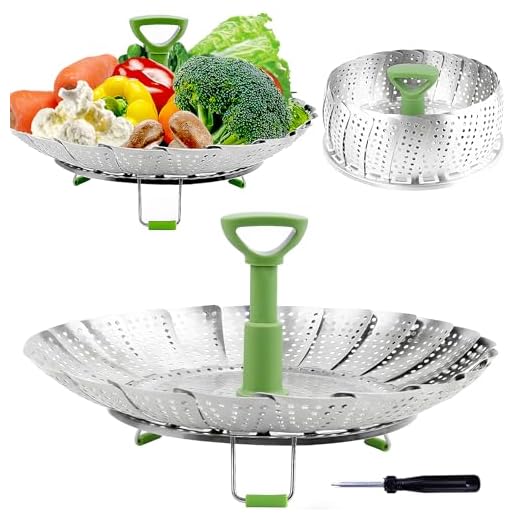
Steaming Veggies to Perfection: Quick
Why Steam? Taste, Texture, and Health
Gentle heat, full flavor
Steam cooks with soft heat. It does not blast food. It lets the natural taste show. Imagine a piece of fish that flakes and smells like the sea. Imagine broccoli that tastes like green, not water. You get more of the food and less of the cooking.
Health and nutrients
Steam keeps vitamins where they belong. Studies show steaming preserves more vitamin C and folate than boiling. You use little or no oil. You can cut salt and keep flavor. For packed lunches, steamed greens stay bright and firm the next day. That matters if you cook for kids or for health.
Texture you can trust
Steam gives texture control. It keeps dumplings soft and skins tender. It keeps grains light when you finish them right. It keeps fish moist and flaky. No char. No dry edges. That means you can plate food that looks alive. You can serve a whole meal with parts that all feel fresh.
Versatility and speed
Steam fits many foods. Use it for veg, fish, dumplings, eggs, and even bread. A small steamer cooks side dishes while your oven roasts. A multi-tier unit feeds a family in one go. An Instant Pot with a rack will steam rice and greens at once. A bamboo steamer stacks over a wok and delivers perfect dim sum. Choose what fits your kitchen and plan.
Practical wins you will notice
Quick how-to takeaways
You will see small wins on day one. Your greens, fish, and dumplings will tell you steam works. Next, you’ll learn how to pick the right steamer for your kitchen.
Pick the Right Steamer for Your Kitchen
You have choices. Each tool does a job. Know the job. Match it to your life.
Bamboo: breath and stack
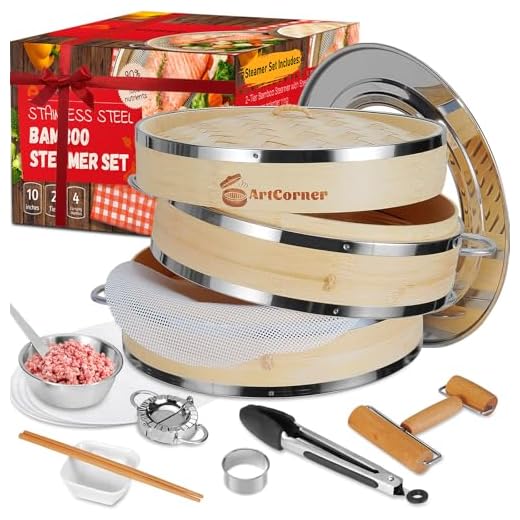
Bamboo steamers breathe. They give a soft finish. They stack for many plates. They add no metal taste. They need air to dry. They need a gentle hand to clean.
You will like bamboo for dumplings and small batches. They feel right on a dinner table. They do not fit every pot. Measure your largest pan first.
Metal inserts and collapsible racks
Metal inserts fit pots. They hold heat. Many fold flat for tight shelves. They work on any burner. They are cheap and fast to heat. They can rust if you leave water in them. Pick stainless if you want long life. Look for a firm rim that sits tight on your pot.
Electric steamers and multi‑cookers
Electric steamers free the stove. They keep water in a reservoir. They often have timers and trays. Good for hands‑off weeknights and family meals. Multi‑cookers and pressure cookers steam fast. They also brown, which saves a pan. An Instant Pot or Ninja Foodi changes the tempo. They make meat tender in minutes.
Microwave steamers and travel options
Microwave steamers speed single servings. They keep water from spilling. They are light. They are not for large feasts. For travel, pick a small, hard plastic unit or a foldable rack.
Choose by these quick rules
Think of your routine. If you prep lunches, pick stackable. If you travel light, pick plastic or foldable. If you want hands‑off, pick electric. The right steamer fits your tempo and keeps steam easy.
How to Steam Like a Pro: Setup and Technique
Ready the water and the pot
Fill with clean water. Start with cold water in the pot or reservoir. You want enough to last the whole cook. Do not let the water touch the food. Heat the water to a strong boil before you lower the basket. A steady roar of steam matters more than fierce heat under the pot.
Arrange food for even steam
Place food in a single layer when you can. Leave space for the steam to move. Use tiers for different cook times. Put things that need more time on the bottom. Reduce crowding to avoid soggy food. If you must stack, stagger items so steam finds each piece.
Timing and tests
Steam counts more than heat. Use short bursts for tender greens. Give root veg and grains longer time. Use a timer. Test with a fork. Taste early. Look for bright color and a fork that slides in with little force. For quick reference try these starts: asparagus 3–5 minutes, broccoli 5–7, diced carrots 8–12, new potatoes 12–20, fish fillets 6–10. Adjust by size and thickness.
Finish, season, and color
Season after steaming to keep brightness. Add oil, soy, butter, or herbs at the end. Finish with a quick sear if you want color. A hot pan and a touch of oil gives crust and warmth. I once steamed salmon for a dinner party and gave each fillet a 30‑second sear. Guests thought it was grilled.
Flavor tricks and small hacks
Use aromatics in the water or on the rack for scent. Lemon slices, ginger, bay leaves, or tea bags add subtle notes. Line baskets with cabbage leaves, parchment, or lettuce to stop sticking. Wrap fish and vegetables in foil for gentle packets. Steam frozen foods straight from the freezer; add a few minutes. Reheat by steam to keep texture. Let meat rest after steaming. It will finish and stay juicy.
Watch the water and safety
Check the water level as you go. Top up with hot water if needed. A dry pot will scorch. Cover with a tight lid to trap steam and keep heat even. Use tongs or oven mitts. Steam burns are deep and fast.
Write down a handful of times that work for you. Learn them. After a few cooks you will judge by look and feel. Next, we will put these moves into dishes you will love.
Steamer Recipes and Simple Menus You’ll Love
Quick staples to start
Steam broccoli with garlic and lemon. Cut into even florets. Steam 5–7 minutes. Toss with a little olive oil, grated garlic, and lemon zest. Steam fish on a bed of ginger and scallion. Use fillets about 1 inch thick. Steam 6–8 minutes. Finish with a splash of soy and hot oil.
Dumplings, potatoes, and simple starches
Make dumplings. Fill tight. Fold to seal. Steam 8–12 minutes until the skin gleams. Steam whole new potatoes for mash. Steam 20–30 minutes until fork‑tender. Mash with heated milk or cream for a silky texture.
Proteins and one‑pot meals
Steam chicken breasts for moist slices. Pound slightly for even thickness. Steam 12–15 minutes for medium thickness. Slice thin and serve with a hot sauce. Build a one‑pot meal: protein on the bottom, veg on top, sauce added last. Example: skinless salmon below, sliced zucchini and bok choy above. Steam 8–10 minutes. Pour on a simple mix of soy, rice vinegar, and sesame oil.
Grains, eggs, and custards
Steam rice or grains in a basket over simmering water. Rinse first. Soak short grain 20 minutes to speed cooking. Expect 20–30 minutes. Steam eggs for a clean taste. For soft yolks steam 6–8 minutes; hard yolks 12–14. Steam custard in jars. Cover jars and steam 20–30 minutes until set. They keep well in the fridge.
Fruits, bowls, and finishing touches
Try steamed fruit. Pear halves with honey and a splash of wine or lemon. Steam 6–8 minutes. Fold steamed greens into grain bowls. Top with toasted nuts, seeds, or a bright oil. Always add a crunch. It lifts the dish.
Simple rules that work every time
Try one of these moves this week. Next, learn how to keep your steamer safe and working for years.
Care, Safety, and Fixes That Keep Steam Working
Daily cleaning and storage
Clean after every use. Empty the water tank and pot. Rinse trays and tiers. Wash bamboo with mild soap. Dry bamboo in open air. Do not soak bamboo. Store all parts dry to stop mold.
Follow this quick checklist after each meal:

Descale and small repairs
Minerals from tap water build up. You will see white crust or slow steam. Descale every few months or sooner if you have hard water. Use a 1:1 mix of white vinegar and water or a commercial descaler. Run a short steam cycle, then rinse well.
Replace worn seals and cracked trays. Buy parts from the maker or a trusted retailer. A warped lid that leaks will drop steam and time. Swap it, or press it flat with heat and weight if the maker recommends it.
Troubleshooting: quick checks
If steam is weak:
If food is soggy:
If food sticks:
Safety rules that matter
Steam burns are sharp and fast. Never fling a lid toward your face. Lift the lid away from you. Use pot holders. Keep kids and pets back. Do not let the reservoir boil dry. Place the steamer on a stable, heat‑proof surface. Treat your steamer like a tool. A cared‑for steamer is a fast, safe one.
Keep this checklist near your stove. Next, learn how to make steam part of your routine.
Make Steam Part of Your Routine
You can make steam work for you. Start with one pot or one basket. Pick one simple recipe and cook it. Learn the few times that matter. Taste as you go. Care for your gear and it will last. Let steam show the true flavors. Respect the food. Keep textures bright. Use gentle heat. Use a timer. You will save time and waste less. Steam will make meals truer and kinder to your food.
Begin tonight. Try one steamed dish. Love your food. Share it with friends and cook again tomorrow. Do it now.




Loved the section on ‘Pick the Right Steamer’ — I actually bought the BELLA Two-Tier Electric Food Steamer after reading something like this months ago. Quick notes:
– Heats fast, easy to clean
– The baskets are roomy but the lid can fog up a lot
– Not perfect for delicate dumplings (steam too intense sometimes)
Overall: super handy for weekday dinners. Would love tips on keeping dumplings from getting soggy!
I had the same fogging issue — I prop the lid slightly with a chopstick (not touching food) to reduce drips. It sounds hacky but works.
Thanks for sharing, Samantha — glad the BELLA has been useful! For dumplings try placing them on parchment with holes or a lettuce leaf to reduce direct condensation. Also shorter steam bursts help.
If you get the Joyce Chen 2-Tier Bamboo Steamer, the bamboo wicks away some moisture so dumplings stay firmer. Takes a bit more practice but worth it 😊
Honestly, I appreciate steaming but my kitchen storage is tiny and any extra gadget feels like a betrayal. The Consevisen Expandable Stainless Steel Steamer Basket seems like a space-saver — anyone using that in a tiny apartment?
Yep, I keep one in a drawer. Cheap, versatile, and you can steam veg without committing to a full electric steamer.
The Consevisen basket is perfect for small kitchens — fits in pots you already own and tucks away flat. Good approach if you want to avoid dedicated appliances.
Care and safety section was gold. I’d only add: don’t leave water dry in electric steamers — bad news. Also, anyone had trouble with mineral buildup on BELLA or OVENTE units?
I’ve got an OVENTE and ran a vinegar cycle every month — completely prevented scale. Works like a charm.
Great point, Grace. Descale with a vinegar-water mix periodically (check manual) and never run dry. For hard water, using filtered water reduces mineral deposits.
I accidentally steamed my phone once. True story. 😂
More seriously: picked up the 10-Inch 2-Tier Bamboo Steamer with Complete Kit and the included liners are nice. Two notes:
1) The kit’s tongs are flimsy—replace if you can.
2) There’s a learning curve for water level in the pot under bamboo — too low = dry, too high = splashes.
Anyone else deal with flimsy accessories? Also, where do you store the bamboo without it smelling like food after 3 uses? smh
Thanks! Laundry room hack noted. Also gonna buy better tongs rn lol.
For the tongs, I cheaped out and bought a set of stainless kitchen tongs from the dollar store — way sturdier. Worth the few bucks.
Haha, phone steaming — that’s a new one. For storage, let bamboo dry completely (air dry upright) then store in a breathable place (not sealed plastic). Replace flimsy tongs with stainless ones or silicone-tipped tongs.
I toss mine on a shelf in the laundry room so it air dries. Weird but works. Also, wrap it in paper towel if stacking with other wood items.
Long post warning — steamed my way through a weekend of testing following the article’s ‘How to Steam Like a Pro’ section.
Lineup tested: BELLA Two-Tier Electric, OVENTE 2-Tier Electric, 10-Inch 2-Tier Bamboo (complete kit), Consevisen basket.
Observations:
1) OVENTE is compact and great for small meals — slower heat but steady.
2) BELLA has more capacity and is faster — good for batch cooking.
3) Bamboo steamer gives the best texture for buns and greens (absorption + aroma).
4) Consevisen is the most flexible for random pots.
Pro tip: for mixed steaming (veg + fish), wrap the fish in foil or place on the top tier to avoid juices dripping. Also, rotate tiers halfway for even cooking.
Question: when you say bamboo gives the best texture, do you mean crispness? I’ve always worried bamboo retains too much smell.
Didn’t think about rotating tiers — tried it tonight and sweet, everything was evenly done. Saved my broccolini from being mushy on one side lol.
Awesome detailed test — super helpful. Rotating tiers is a great tip, and your note on foil for fish is exactly the kind of practical advice readers need. Thanks!
If anyone wants a cheap improvement: silicone liners for bamboo steamer tiers — keeps things clean and still lets steam through.
Nora: yeah, more like better bite — not soggy. For smell, I pre-steam (empty) once for 5-10 mins, and it helps. Also don’t soak too long when cleaning.
Quick question for those who use both: is an electric steamer (BELLA/OVENTE) much better for weekly meal prep than bamboo? I like the ritual of bamboo but I need speed and consistency for lunches.
Electric steamers win for speed and hands-off batch cooking; bamboo is great for texture and presentation. If meal prep is priority, go electric — you can pair a bamboo for special meals.
Thanks — sounds like a hybrid plan. Might grab an OVENTE for the office-sized meals.
I use BELLA for weekday prep and bamboo for weekend dinners. Best of both worlds.
Good overview. I’m debating Joyce Chen 2-Tier Bamboo Steamer vs MacaRio 10-Inch Bamboo Steamer Set with Accessories. Anyone used both? I like the idea of accessories in the MacaRio kit, but is the build quality actually better?
Thanks all — leaning MacaRio for the kit. Budget flexed today 😂
I own the MacaRio set — accessories are legit (liners, tongs, lid) and the bamboo felt a little nicer than the cheaper ones. But Joyce Chen is classic and lighter on price. If you like cooking often, MacaRio is a nice upgrade.
Both are solid. MacaRio tends to come with more extras which is convenient if you’re starting from scratch. Joyce Chen is thinner and a bit quicker to heat but less accessory value — choose based on frequency and budget.
If you ever travel with it, Joyce Chen is easier to pack. MacaRio is great for home shows though.