


Why Care for Reusable Bags?
You bought reusable bags to cut waste. You can make them last with a bit of care. Clean bags save money and stop odor. Learn six simple steps and keep your bags fresh, strong, and ready for daily use today.
What You Need
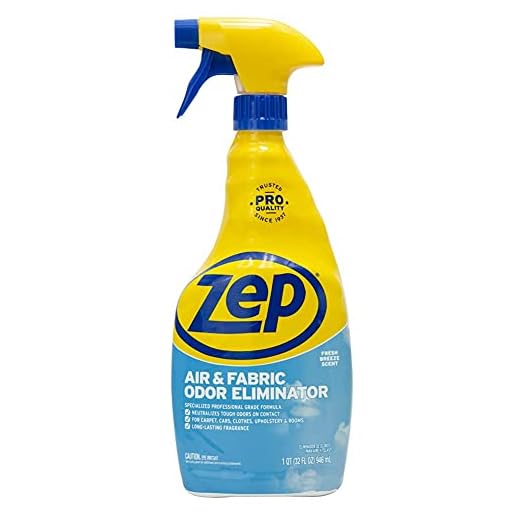
Essential Care Tips for Your Reusable Bag
Step 1 — Sort and Inspect
Find the weak links before they fail. Want them to last?Empty each bag. Shake it out. Toss crumbs and old receipts.
Feel seams, handles, and liners. Check for thin spots or loose threads. Press the base. Look for holes.
Mark bags that need repair. Tie a tag or use a clothespin. Set them aside.
Note special types. Keep cloth, mesh, and plastic bags separate. Flag insulated or waterproof bags for a different wash method.
Quick checklist:
You save time later. You stop cross‑contamination.
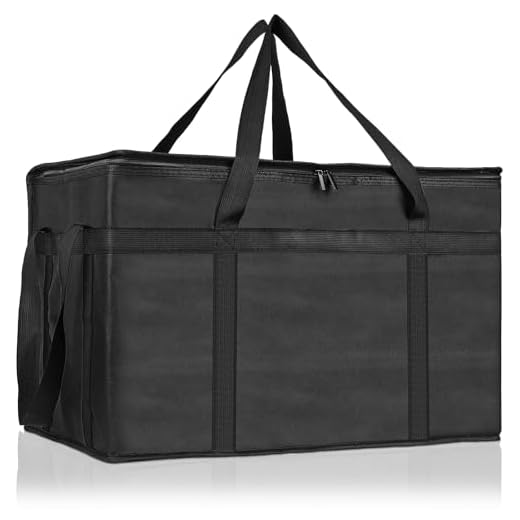
Step 2 — Shake and Brush Out Debris
You'd be amazed what hides in the corners.Take bags outside. Turn them inside out. Shake hard. Tap the seams to loosen grit.
Use a hand brush or the crevice nozzle on your vacuum to pull out crumbs and dirt. For fine mesh, brush with a soft toothbrush so you don’t snag the weave. For insulated bags, wipe the lining with a damp cloth and lift crumbs from folds. Check pockets and zipper tracks.
Quick tips:
Take bags outside. Turn them inside out. Shake hard. Tap the seams. Use a hand brush or vacuum nozzle to pull out crumbs and dirt. For fine mesh, use a soft brush. For insulated linings, wipe with a damp cloth. Dry before the next step.

Step 3 — Spot Clean Stains Fast
One quick dab now saves a bag later.Treat stains at once. Mix mild soap and water. Dip a clean cloth. Dab the spot from the edge toward the center. Don’t rub. Scrape off crumbs first.
Make a paste of baking soda and water for tough spots. Apply the paste. Wait 10 minutes. Scrub gently with a soft brush. Rinse the spot well or wipe with a damp cloth until the soap is gone.
Blot an olive oil spill right away. Press dish soap into the mark. Rinse. Pat dry with a towel.

Step 4 — Machine Wash Right
Not all bags like a spin. Do this to keep shape.Check the care tag first. Skip the washer when the tag says “hand wash” or “dry clean only.”
Place your cloth bags in a mesh laundry bag or a pillowcase. Try washing a canvas tote with old jeans to balance the load.
Use cold water and a gentle cycle. Use a mild detergent. Wash with similar items to avoid color transfer.
Skip bleach and fabric softener. Run a second rinse for heavy dirt or soap residue.
Remove bags while damp to shape them.

Step 5 — Dry and Shape Properly
Air wins. Heat shrinks and kills glue.Air-dry when you can. Hang from a hook or lay flat on a clean towel to keep shape. Open zippers and pockets so air reaches seams.
Prop insulated bags open. Wipe and leave the liner exposed to air so the inside dries. Use the dryer only if the care tag allows. Run it on low heat.
Stuff soft cloth bags with a dry towel or rolled paper to hold form while they dry. Check seams and liners. Make sure they are fully dry to stop mold.
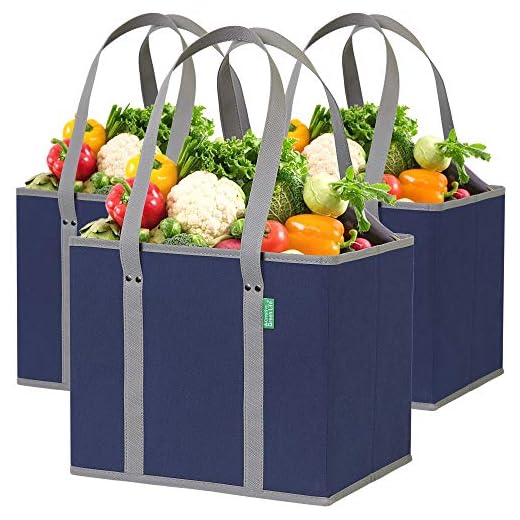
Step 6 — Store, Rotate, and Repair
Store smart. Rotate use. Fix small faults fast.Store your bags clean and dry in a cool spot. Keep your produce bags and meat bags in separate bins or shelves.
Rotate your bags so none wears out fast. Put new bags at the back. Use older ones first. This evens out wear.
If juice spills, wash that bag immediately.

Keep Them Longer. Save More.
Care is simple. Do the six steps. Stop smell, mess, and waste. Your bags will last. Your wallet will thank you. Try it now. Tell others and share your results. Join the small change that saves big today. And act.



I honestly never sorted my bags by material — thought they were all the same lol. Step 1 nailed it. Also the gentle cycle tip saved my canvas tote from turning into a doll-sized version of itself. Thanks!
Same! I made that mistake once and the straps got funky. Now I do a super-fast label check every time.
Glad it helped, Megan! Sorting by material prevents damage — canvas vs nylon vs coated bags all need different care.
Constructive note: maybe add a quick ‘what not to do’ list — like don’t bleach coated bags, don’t tumble dry some types, and avoid harsh detergents. Newbies might appreciate a short dos/don’ts section.
Otherwise, loved the practical steps.
That’s a helpful suggestion, Natalie. A concise ‘do/don’t’ checklist is a great addition — we’ll look into adding that for quicker reading.
100% agree. A ‘don’t’ list would’ve saved me from bleaching my first reusable bag.
I tried machine washing a reinforced tote once and the seams went all weird. The article’s Step 4 tip about checking for reinforcement and using a laundry bag would’ve saved me. Maybe add examples of reinforced features to watch for?
Yeah, metal grommets and glued bottoms hate the washer. Hand wash those or spot clean.
Thanks Noah — that’s a great idea. We’ll add examples like taped seams, welded bottoms, plastic reinforcements, and metal hardware that may not tolerate washing.
This guide is cute and practical. Only tiny gripe: the ‘Keep Them Longer. Save More.’ tagline could use a mini calculator — like, ‘if you replace X bags per year vs repair you’ll save Y’. Not necessary but fun to see impact numbers.
P.S. Loved the stain removal hacks!
Ooh yes, do that. Numbers always hit harder than feelings.
Fun idea, Isabella — a savings calculator would make the environmental/economic benefits more tangible. We’ll consider adding a simple example in the next update.
I chuckled at the ‘shake the demons out’ vibe in Step 2. 😂 But seriously, that step and brushing saved me from discovering half my lunch in a tote a week later.
One more thing: do you guys ever freeze a bag to kill bugs if you find them? Sounds extreme but maybe works.
I’ve frozen a small bag before — killed a few mystery critters. But washing and drying is my go-to.
Freezing is a thing for pantry items, not so much for bags. I’d wash instead — less hassle.
Freezing can kill certain pests (like weevils) in dry goods, but for fabric bags it’s not a usual step. If you find bugs, wash and dry thoroughly, then store with cedar or airtight bins.
Nice guide. Short and to the point. I liked Step 2 — shaking and brushing out crumbs is something I always skip until ants appear 🐜
Also, would an old toothbrush be okay for stubborn crumbs in seams?
Yes, an old toothbrush is perfect for seams and stitching. Use gentle strokes to avoid fraying, and a vacuum brush attachment can help too.
Toothbrush = lifesaver. I also use a lint roller for pet hair before washing.
Quick tip from me: always keep a small foldable bag in the car as a backup. I rotate them like Step 6 suggests. Saves me on impulse buys — plus I learned to shake out receipts and crumbs before storing which keeps the trunk clean.
Same here. I also spray a light fabric freshener between uses — no heavy scents, helps with storage.
You had me at ‘impulse buys’ 😂 Good call on rotating though.
Smart habit, Tom. Rotation extends life and prevents smells from building up. Keeping a backup is exactly the kind of practical advice we hoped readers would take away.
I appreciate the ‘Keep Them Longer. Save More.’ message. Economically and environmentally smarter to repair than replace. I patched a small tear with iron-on fabric and it’s lasted months.
One caveat: iron-on isn’t great for water-resistant coatings. Anyone else run into that?
You can also sew a small patch inside to protect the coating and keep it discreet.
Good point, Robert. Iron-on patches can affect water-resistant coatings. For coated bags, use a repair tape designed for outdoor gear or a seam sealant instead.
Yes! Used iron-on on a coated grocery bag and it leaked at the patch. Switched to tacky glue + patch and it’s holding.
Loved Step 5 about shaping properly. I used to toss bags over a chair to dry and they’d look like sad ghosts. Now I reshape and stuff them with a towel while drying and they come out perfect.
Also, pro tip: put cedar blocks in storage to deter moths if you keep natural fiber bags long-term.
Great tip. I use lavender sachets — smell nice and keeps bugs away.
Cedar blocks are an excellent tip for natural fibers — thanks for sharing! Proper shaping during drying really does prevent that ‘sad ghost’ look.
Loved the stain-spotting section. I spilled turmeric last week and panicked — this guide’s Step 3 would’ve saved me if I’d seen it earlier. I used dish soap and lemon, then a quick machine wash on cold per label.
Also: anyone else have stubborn coffee stains that won’t budge?
Coffee stains: sprinkle baking soda, add a little white vinegar, rub gently, then rinse. Weird but works sometimes.
Turmeric can be tricky — treating immediately helps. For coffee stains, try soaking in an oxygen-based bleach solution (check fabric compatibility) before washing.
Minor nitpick: the drying section could use a quick rundown of dryer settings to avoid shrinking. You mentioned air-dry and tumble low, but a temperature chart would be handy. Otherwise, solid article.
Agreed, a tiny table would help. But the current tips are fine if you read the labels carefully.
Thanks for the feedback, Olivia — good suggestion. We’ll consider adding a simple temperature chart: cool/air dry for delicate and coated items, low tumble for sturdy canvas if label allows.
If you’re unsure, always air-dry. Takes longer but beats ruining a favorite bag.
This was way more helpful than I expected! I always toss everything in the wash and wonder why my mesh bag shrinks. The part about checking labels in Step 1 and using a gentle cycle in Step 4 made me rethink my whole routine. Also love the repair tips in Step 6 — those tiny stitches save so much.
Question: anyone tried handwashing delicate woven totes and then reshaping them flat? Curious if air-dry is enough to keep the handles from warping.
Totally — air-dry is enough if you reshape right away. Pro tip: clip a clothespin to the seam if the handle wants to curl.
Great question, Jessica! For delicate woven totes, handwashing with mild soap and reshaping while damp usually works best. Lay them flat on a towel, gently press out excess water, reshape handles, and air-dry away from direct sun to avoid color fading.
I do that all the time. I stuff the bag with a towel while it dries to keep the shape of the handles. Works like a charm.
Real talk: I am lazy about repairs, but your Step 6 made it seem achievable. Small stitch, bit of glue — done. The guide motivates me to keep bags instead of buying new ones.
Also, anyone know where to get cheap fabric glue that doesn’t stink?
Glad it motivated you, Grace! Look for water-based fabric glues; they usually have less odor. Brands like Aleene’s or fabric-specific adhesives are a good start.
Aleene’s fabric fusion is low-odor and holds well for most repairs. Sew if you can, but glue is great for quick fixes.
Try a craft store brand — they often have small tubes so you can test without spending much.
Short and sweet — this guide is perfect for people who hate long articles. I especially liked the rotating advice in Step 6. Keeps things fresh and prevents one bag from getting all the wear.
Anyone else label their bags by use (groceries, bulk, deli)?
I just have one bag that is my ‘wet stuff’ bag. Everything else is fair game 😅
Labeling by use is smart, Ava — it helps avoid cross-contamination and makes life easier at checkout.
Yes! I use colored tags. Red for deli, green for produce, blue for other groceries. Makes shopping faster.
LOL the ‘Shake and Brush Out Debris’ step is underrated. I once brought a bag full of crumbs into my office and the janitor was not amused. 😂
Also, are paper liners worth it for carrying raw veggies? Seems like overkill but maybe helps with stains.
I use washable silicone liners for very messy stuff — works great and you can toss them in the dishwasher.
Paper liners = waste. Use a cheap reusable liner and you’re set.
Paper liners can help with wet or messy items, but they do add waste. Reusable washable liners or small produce bags are a greener compromise.