


Start Stir-Frying Right
You can make bold stir-fries at home. Use your ELECTRIC WOK. You will cook fast. You will keep food crisp. You will layer rich flavors. This guide gives six clear steps. Each step is simple and exact. Read and cook.
What You Need

Stir-Fry Fundamentals: Quick, Effortless Cooking Basics
Prep Like a Chef
Do this and your dish will stay crisp and fast — no chaos.Chop veg to even size. Cut carrots into coins. Cut peppers into ½-inch strips.
Pat meat dry. Slice meat or tofu thin. Marinate briefly if you like.
Keep sauces in small bowls. Make a starch slurry for thick sauce. Slice aromatics thin. Mince garlic and ginger. Measure oil and soy.
Organize your bowls by cook order.
Use separate plates for raw and cooked food. Toss dry ingredients with a touch of oil. Keep a clean workspace. Set a timer. Rinse rice and noodles. Pre-cut garnish. Move fast. Cook with calm. Taste as you go. Add salt in small steps. Toss with high heat. Watch char. Serve hot. Clean the wok while warm.

Heat Control
Turn heat up and down like you mean it — timing is flavor.Preheat the wok until it is hot. Let a bead of water jump. Wait before you add oil. Add oil and swirl to coat.
Watch the oil. Lower heat if it smokes. Do not crowd the pan. Work in batches. Let the wok regain heat between batches. Adjust the dial in small steps. Keep one burner free to rest cooked food. Move food in and out fast. Stir and toss with intent. Train your hand to feel heat. Use a thermometer if you want. Note settings and write them down. Repeat until it sticks. Watch smoke points of oils.

Master the Toss
Toss like a pro — it's not flair. It's control.Cook in order.
Start with aromatics like garlic and ginger.
Then add dense veg such as carrots and broccoli.
Add protein next — thin beef or shrimp sears fast.
Finish with quick greens like spinach or bok choy.
Use constant motion.
Stir and toss constantly with a flat spatula or tongs.
Scoop and flip to move food up the sides.
Brown to add taste.
Do not burn.
Use a splash of stock to lift fond.
Turn heat up for a sear, then pull back to finish.
Add sauce at the end.
Toss to coat.
Let sauce reduce one minute.
Taste.
Fix salt.
Add acid if dull.
Add fresh herbs last.
Garnish with crunch.
Serve hot on warm plates.
Eat with gusto and joy.

Sauce and Seasoning
A good sauce fixes many sins. Make one you love.Make a simple sauce.
Mix soy and stock (2:1) for your base.
Add oyster sauce or hoisin for depth.
Add a touch of sugar — try 1 tsp per cup.
Add a splash of rice vinegar or lime to brighten.
Add sesame oil only at the end.
Warm the sauce in the hot wok.
Stir in the slurry to thicken.
Add the slurry slowly while you stir until the sauce glazes the food.
Taste for salt and acid.
Fix with soy or vinegar.
Balance sweet and sour.
Do not hide bland food with salt alone.
Use aromatics like garlic and scallion to lift flavor.
Use fresh chilies or chili oil for heat.
Finish with toasted sesame and scallion.
Serve sauce hot.
Keep extra sauce on the side.
Let diners add if they wish.
Adjust to taste every time.

Use Right Oils
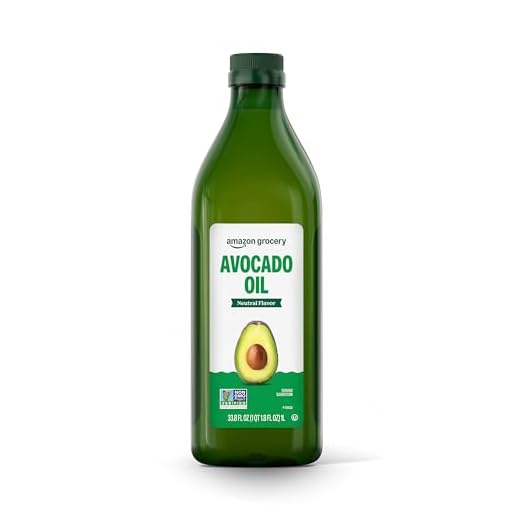
Wrong oil kills flavor. Pick oils that stand the heat.Pick the right oil. Choose peanut, grapeseed, avocado, or refined canola.
Avoid butter alone. Add butter at the end for shine.
Reserve toasted sesame oil for aroma only at the end.
Use only a thin pool of oil. Do not drown the food.
Heat the oil until it shimmers. Swirl to coat the wok.
Add food to hot oil to sear. Watch splatter. Use a lid for steady heat if you need.
Drain excess oil on paper. Wipe the wok between batches if bits burn. Taste, adjust, serve now and smile.
Finish and Serve
Serve fast. The food waits for no one — crisp is fleeting.Finish strong.
Plate with care.
Toss in scallions, nuts, or herbs.
Sprinkle toasted seeds.
Squeeze lime over the wok.
Serve on warm plates.
Keep rice or noodles hot so they don’t chill.
Do not let food sit; crisp veg softens fast.
Serve family style or on plates.
Offer extra sauce in a small bowl.
Clear the table while people eat.
Wipe the wok quick.
Boil water and clean it with hot water and soap.
Dry well.
Store leftovers in airtight containers.
Reheat with a splash of water or oil.
Do not overcook on reheat.
Label and date containers.
Teach your people to taste and tell you what to fix.
Practice weekly.
Keep a log.
Learn from mistakes often.

Cook More, Worry Less
You can master stir-fries. Start small. Use these six steps. Prep well. Control heat. Make sauces. Toss fast. Serve hot. Learn by doing. Repeat recipes. Share your results. You will get better. Cook tonight and enjoy every bite and smile.



Loved the ‘Master the Toss’ section — finally some encouragement to actually fling veggies without panic. 😂
But maybe add a quick safety note about splatter when using oily marinades? My first fling resulted in a small oil shower.
Patting dry is underrated. Also a splatter screen can help if you’re nervous.
You can practice tossing with a cold wok and some sliced bread to build confidence 😂
Great call, Nora. I’ll add a safety tip: use oils with higher smoke points, pat proteins dry before marinating too wetly, and tilt the wok away from you when tossing to avoid splatter.
This line stood out: ‘Cook More, Worry Less.’ Love the mindset — practice>perfection.
On the sauce front, would a premade stir-fry sauce (store-bought) be a cheat or a useful shortcut? I want to save time but still taste good.
I thin it out with a bit of water and add sesame oil + chili flakes. Works wonders.
Not a cheat at all, Michael. Store-bought sauces are fine — look for ones with lower sugar and fewer strange additives. You can boost them with fresh garlic, a splash of rice vinegar, or a squeeze of lime to make them taste fresher.
Honestly, premade + fresh herbs/garlic = win. I do it all the time.
I tried using avocado oil after reading the ‘Use Right Oils’ part — game changer for smoke point and flavor neutrality. Only complaint: it’s pricier. Worth it if you’re doing high-heat a lot?
Also, does oil choice affect cleanup? My wok hates me some mornings.
If it’s an electric wok with nonstick surface, be gentle — use silicone tools to avoid scratches.
Avocado oil is a great choice if you stir-fry frequently and want a high smoke point. It’s pricier but lasts longer in performance. Cleanup-wise, any oil that polymerizes extensively can make residue stickier — wipe the wok while warm and use a mild scrub for stubborn spots.
I alternate between peanut and avocado — peanut’s cheap and has good flavor. Wipe with paper then rinse with hot water; no soap for seasoned woks.
I appreciated the ‘Prep Like a Chef’ checklist. Having everything chopped and lined up changed my whole workflow.
Small point: for marination times, could you suggest ranges? I sometimes over-marinate and end up with mushy tofu or tough shrimp.
I freeze chicken for 30 mins before slicing — easier to cut thin and marinate evenly.
Good idea. Quick marination times: tofu 15-30 mins (or press then marinate briefly), shrimp 15-30 mins, thinly sliced beef 20-30 mins, chicken 30-60 mins. For delicate items, shorter is better.
Tofu: press it well, then marinate 20-30 min. Pressing is the trick, not long marination.
Funny story: followed the ‘Master the Toss’ advice and tried a dramatic flip. Ended up with broccoli on the ceiling. 😂
Seriously though, after a few tries your wrist does get better. Also, love the ‘Finish and Serve’ plating tips — quick and simple but looks pro.
Broccoli on the ceiling is a badge of honor. Glad the plating tips helped — quick garnishes like scallions, sesame seeds, and a squeeze of lime can elevate things fast.
Haha, same — my cat thought it was fireworks. But yes, scallions finish everything right.
(Okay I know I wasn’t on the commenters list but I lurked and had to say: the guide’s structure is neat — Start Stir-Frying Right -> Finish and Serve flows logically.)
Tiny nit: a printable checklist would be AMAZING. I like paper when cooking. Anyone else still old school like that?
Paper checklist + mise en place = less chaos, 100%.
Ha, we welcome lurkers! A printable checklist is a cool idea — I’ll make a one-page checklist for the ‘Prep Like a Chef’ and ‘Heat Control’ points.
Yes please. I stick a checklist on the fridge.
The toss technique pics were worth the read alone. I have one annoying habit though — I never know when to add aromatics like garlic and ginger. Add too early and they burn, add too late and they’re raw. What’s the sweet spot?
I toss in garlic/ginger right after removing cooked meat and lower heat a bit — then add everything back in. That helps prevent burning.
Great question. Add aromatics once the oil is hot and before adding thicker items, but watch closely: garlic/ginger should sizzle for 15-30 seconds until fragrant, then add other ingredients. If you’re stir-frying proteins first, add aromatics after searing and briefly before deglazing with sauce.
Really enjoyed the step-by-step — simple and no-nonsense. The bit about prepping ingredients in the ‘1. Prep Like a Chef’ section is gold. Saved me from fumbling with half-cooked veggies while the meat was overdone.
Only thing: would love recommended slice thickness for things like carrots and bell peppers. Small tweak would make this perfect! 🙂
Totally agree. I usually go for thin matchsticks for faster cooking. Helps keep the stir-fry crisp.
Thanks, Emma — great suggestion. For many stir-fries, aim for 1/8 to 1/4 inch slices for bell peppers and 1/16 to 1/8 inch for carrots (match sizes so everything cooks evenly). I’ll add that to the guide.
Constructive note: the guide is fantastic but felt a bit light on veggie-specific cook times. Like, bok choy vs broccoli vs snow peas — different hearts, different times.
If you add a quick chart, it would be super helpful for beginners.
Yes please add a chart. I always overcook broccoli unless I flash steam it first.
Thanks, Hannah — that’s helpful feedback. I’ll work on a quick timing chart: e.g., snow peas 1-2 min, bok choy (stems first) 2-3 min, broccoli florets 3-4 min (parboil or steam briefly if large).
I chop broccoli small and give it a quick blanch — saves time and keeps it crisp.
Tried the timing suggestions in ‘2. Heat Control’ last night. Turned out so much better — veggies stayed crisp and meat was juicy. My kids actually asked for seconds (miracle).
One thing: I had trouble with the sauce thickening too fast and sticking. Any tips to avoid a gloopy pan?
I add a splash of water if it gets too thick — keeps it saucy without diluting flavor too much.
Cooked sugar caramelizes quickly. Lower the heat a notch and stir constantly once sauce is added.
Glad it worked, Ben! To prevent sauce from becoming gloopy: add cornstarch slurry slowly and off-heat if possible; remove the wok from the burner once the sauce thickens and stir for 10-20 seconds — residual heat will keep it moving. Also watch the sugar content — higher sugar = faster burning.
Small nitpick: the ‘Use Right Oils’ section mentions sesame oil as good for stir-frying — careful: toasted sesame oil burns quickly and is more for finishing. Maybe clarify which sesame oil is for cooking vs finishing.
Other than that, awesome guide.
Excellent observation, Olivia. I’ll clarify: use neutral high-smoke-point oils (canola, peanut, grapeseed) for cooking, and reserve toasted sesame oil as a finishing flavor.
I mix a teaspoon of toasted sesame at the end and it transforms the flavor. Tiny amounts go a long way.
Yep — toasted sesame oil is like perfume for the dish, not the pan.
Appreciate the practical, no-fuss tone of the guide. One tiny thing: it mentions ‘seasoning’ but doesn’t give salt guidelines — are we going by taste? Any rough starting points per serving would help newbies.
Also, anyone else accidentally oversalt and then cry into their rice?
Starch or more veggies can balance over-salting. Rice is the true hero.
If you over-salt, add a squeeze of lemon or a small raw potato while simmering (weird but sometimes helps).
Thanks, Thomas. For starting points: 1/2 teaspoon salt per 2 servings for a basic stir-fry is a gentle baseline; soy sauce can substitute salt (start with 1 tbsp per 2 servings and adjust). And yes, always taste as you go.
Nice tips on heat control. I always thought ‘high heat’ meant turning the wok to max and forgetting it — which is how I charred more things than I’d like 😂
Question: any pointers for an electric wok that doesn’t go as hot as gas? Do I just cook longer or cut things thinner?
Batching is key. If the wok is cool because you overloaded it, you get steaming instead of stir-frying.
Good point, Ryan. With electric woks you can: 1) Cut ingredients thinner/smaller so they cook quicker, 2) Preheat the wok longer, and 3) Work in smaller batches so the pan temperature doesn’t drop. Also use a lightweight lid briefly if you need to speed things up for dense veggies.
I have that problem too. I preheat for like 7-10 mins and use room-temp oil (not cold from fridge) — gets to temp faster.
This post made me actually want to use my electric wok again instead of the oven. The ‘6. Finish and Serve’ was inspiring — small garnishes = big impact.
Longer note:
I usually struggle with leftovers — reheating turns everything soggy. Any tips for storing and reheating stir-fries so they stay somewhat fresh?
Thanks!
Good question, Laura. For storage: cool quickly and refrigerate in shallow containers. To reheat: use a hot skillet/wok without oil first to dry a bit, then add a splash of oil and reheat on high quickly; avoid microwaving if you want to preserve crispness.
I separate sauce from solids before storing, then add it back when reheating. Keeps things less soggy.
Spread leftovers on a tray and chill so they cool fast. Helps keep texture.
Minor complaint: there wasn’t much on vegetarian protein handling beyond tofu. What about tempeh, seitan, or chickpeas? Each absorbs sauce differently.
Would love a short subsection for plant proteins.
Agreed — that’s a good expansion area. Short tips: tempeh benefits from steaming then frying for chew and absorption; seitan browns quickly so low moisture sauces work best; chickpeas are great when roasted first to keep them from getting mushy.
I cube tempeh and fry until golden, then add sauce late. Works wonderfully.
Seitan + high heat = great crust. Add sauce at the end.