


From Farm Gate to Your Table
You want food that tastes of place. You want work that is simple and true. You want clean flavors. Here you will find how to use what grows at Jordan’s Farm and Cape Elizabeth Produce. You will learn to buy what is at peak. You will learn to make menus that show soil and sea.
This guide moves fast. It shows you how to shop the market. It shows how to plan a farm‑forward menu. It gives dishes, sides, drinks, and notes on storing and scaling. Use these notes to cook simply. Let the produce speak. Serve food that tells of Maine soil and shore. Your guests will notice the difference. Right away daily.


Experience Rustic Farm-to-Table Dining at The Well at Jordan’s Farm, Maine
Know the Farm: Jordan's Farm and Cape Elizabeth Produce
Meet the growers
You meet people who wake before dawn. They bend to the soil. They know each row by name. Jordan’s Farm is a working field. You will meet farmers who sell at market, run CSAs, and coach new gardeners. Cape Elizabeth producers bring shore and field. You will see eggs, shellfish, and small-batch meats beside carrots and greens.
Go early. Talk to the person who planted the seed. Ask when they picked it. That single fact tells you how it will cook.
What they grow
You will spot the season by look and smell. Here are the crops that set the menu:
How to use this knowledge
Touch. Smell. Ask. Plan meals around what is at peak for the week. If a farmer says they harvested today, use that produce raw or with a quick cook. If they warn of a frost, buy more and preserve.
You now know who grows your food and what you will find on the table. Next you will learn how to shop the market so your menu matches the crop.
Shop Smart: Choosing Peak Produce at the Market
Come with a plan
You walk the market with an aim. Know the meal you want. Know what can wait. Buy what sings today. Buy what will keep for a week. A simple list saves you from impulse buys that spoil.
Look and feel
Use your hands. Lift the fruit. Heft a tomato. It should feel heavy for its size. Press gently at the stem. A ripe tomato gives, then springs back. Tap a squash; it should sound hollow. Bend a carrot leaf. Crisp stems mean fresh roots.
Here are quick checks to use fast:
Read labels and ask
Look for harvest dates and claims. “Picked today” is gold. Ask how it was grown. Did they use cover crops? Did they dry the leaves before packing? The grower will tell you what matters.
Mix flavors, not just colors
Build a plate with contrast. Add sweet corn or peaches. Add bitter chicory or radicchio. Add sharp scallions or lemony arugula. A mix cuts flatness. It makes simple cooking sing.
Buy for now and for later
Buy what you need for tonight. Buy a little extra you can save. Pick fruits to freeze, roots to roast and store, leaves to pickle or dry. One extra basket at the market pays off when winter comes.
Move through stalls. Talk. Taste where allowed. Let the week’s harvest shape your menu.
Plan with the Crop: Build a Farm‑Forward Menu
Pick one star
Choose one item to lead. A bushel of corn. A bowl of heirloom tomatoes. Let that item set the tone. Build the rest to back it. When you tried roasted peaches for dinner last summer, one pan stole the show. Your guests noticed. You will too.
Keep the list short
Make three main buys for the night. One star. One green. One accent. Fewer ingredients mean each one speaks. Fewer moves in the kitchen. More time to taste and correct.
Match texture to taste
Think contrast. Pair soft with crisp. Creamy squash with grilled radicchio. Silky burrata with crisp cucumbers. Combine small bites with a big plate. Your mouth should move.
Pair sweet with acid
Sweet corn, peaches, beets — give them acid. Lemon. Vinegar. Tamarind. Acid wakes the flavor. A squeeze of lemon can lift a whole tray.
Let herbs lift the dish
Use herbs late. Chop and toss at the end. Basil, dill, chives. A small handful changes the story. Treat herbs as a finish, not a base.
Use simple methods
Roast. Grill. Braise. Quick sauté. Keep heat honest. Let the produce show. Use spice as a spice, not a mask.
Think in courses and contrasts
Plan a starter to share. A bright salad. A warm vegetable plate. A main that sits against them. End with a fruit or cheese. Make space on the table for shared plates. Let each dish show the farm first. Let you be quiet and sure.
Next, turn those plans into dishes that use Maine produce.
Menu Ideas: Dishes That Use Maine Produce
Starters
Start simple. Toss peppery greens with shaved fennel. Make a bright cider vinaigrette: good vinegar, neutral oil, salt, a touch of honey. Shave fennel thin. Salt the greens. Let them sit five minutes. Taste. Adjust. This salad wakes the table.
Mains
Bake firm white fish with lemon and dill. Lay fish on a sheet. Dot with thin lemon slices. Scatter dill. Roast at 425°F until flesh flakes. Roast beets on a separate pan. Plate the beet wedges beside the fish for color and earth.

Roots and Grill
Roast root vegetables until brown. Finish with browned butter and thyme. To brown butter, melt in a pan. Watch it. Smell it. Stop when nuts form and scent turns sweet. Toss roots with butter and thyme.
Grill corn. Turn often. Char some kernels. Top with a local cheese — sharp cheddar or crumbled goat — and a pinch of chili. Serve hot. The heat melts the cheese and the chili wakes the sweet corn.
One-Pot Comfort
Make a stew with root veg and beans. Sweat onion and carrot. Add diced potato, turnip, or parsnip. Add stock and canned or cooked beans. Simmer until gentle. Mash some beans against the side of the pot to thicken. Finish with a soft heap of chopped parsley, chives, or dill.
Desserts
Keep fruit forward. Try a berry galette — fold edges, bake until crust sings. Serve late-summer peach slices with whipped cream. Or make an apple crisp with oats and a pinch of cinnamon. Bake until juice bubbles. Let rest five minutes. Slice and serve warm.
Tips you can use now:
Next, learn small sides, drinks, and tiny touches that lift these dishes further.
Sides, Drinks, and Small Touches to Lift the Meal
Pick sides that echo the main
Match textures and tones. If you serve roasted roots, pick a grain with bite. Cook farro or barley. Rinse. Toast in the pan. Add two parts stock to one part grain. Simmer until tender. For fish or herbs, keep sides light. Simple greens tossed in lemon and oil will do. For rich mains, make smashed potatoes. Boil small potatoes until soft. Smash with a fork. Drizzle oil. Roast at 450°F until edges brown. Salt hard.
Preserve acid to cut fat
Quick pickles wake a dish. Use a 1:1:1 ratio — one cup vinegar, one cup water, one cup sugar — heat to dissolve. Add sliced cucumbers, radish, or onion. Steep thirty minutes to an hour. Drain and serve. They keep two weeks in the fridge.

Match drinks to mood
Pick drinks that pull flavors forward.
Portland pours cider with lobster rolls. The bite cleans the palate. The drink resets the fork.
Make a house shrub or syrup
For a quick shrub: mash one cup berries, add one cup sugar. Let sit one hour. Stir in one cup vinegar. Strain after a day. Serve with soda or sparkling water. For a syrup: simmer fruit and sugar 5–10 minutes until thick. Cool and bottle. Both keep for weeks.
Small finishes that matter
Offer a small board. A sharp farmhouse cheddar. A soft goat. Add a spoon of farm jam. Put the jam by the cheese. Guests will mix and taste. Small things make the meal feel like home.
Store, Preserve, and Scale: Keep the Farm on Your Menu
Preserve the harvest, simply
Buy in season. Save for later. Blanch greens 1–2 minutes, then shock in ice. Pack in 1–2 cup portions. Roast tomatoes at 425°F until skin splits. Peel, mash, jar, or freeze in trays. Dry herbs on a rack or in a 90°F oven until brittle. Quick pickles last weeks. Vinegars and shrubs gain depth after a day.

Tools that make it faster
Use wide-mouth Ball Mason jars for jarring. Choose a vacuum sealer for long freezer life. A basic pressure canner is for big jobs. For weighing and recipe scaling, pick a digital scale: the OXO Good Grips is roomy; the Escali Primo is fast and exact. A fine sieve and ladle beat fuss when you strain stocks.
Store smart
Roots like carrots, beets, and potatoes live in a cool, dry place. Keep them out of light. Leafy veg goes in the coldest part of the fridge after blotting dry. Label every jar or bag with date and weight. Rotate older jars forward.
Make stock and scale
Keep bones and veg scraps in the freezer for stock. Simmer low for 6–12 hours. Strain, cool, and freeze in measured portions. When you scale a recipe, use weight not guess. If the recipe calls for 1 kg of tomatoes and you have a scale, you do the math once and repeat it.
Plan for gatherings
Prep what you can the day before: stocks, sauces, roasted veg. On the day, cook simple parts: grains, quick sautés, salads. Let small jobs—dressings, toasts, last-minute garnishes—wait until guests sit. This keeps stress low and taste high.
With these habits, your pantry holds the farm. Move on to the closing thoughts.
Cook from the Land
You can make a menu that tastes like Maine. Use Jordan’s Farm and Cape Elizabeth produce as your compass. Plan simply. Pick what is ripe. Build dishes that show the crop. Cook with fire, fat, salt. Let vegetables and shellfish lead. Keep recipes clear. Let the farm season set your pace. Cook in batches. Share what you pull from the field.
Bring friends. Pass plates. Tell the story of the farm as you eat. Store what you cannot serve. Preserve what you love. Scale what works. Repeat the cycle. Let the food speak. Let your hands do the work. Then sit, eat, and be glad. Start today: visit the market, buy fresh, and cook with courage.





Nice reading but feel like the article skirts cost a bit. Jersey tomatoes in season vs. out-of-season prices are a whole different story lol.
I liked the product list — Diskin Uncle Dry English Cider sounds fun (and fits the ‘sides/drinks’ bit) — but I wish the piece had alternatives for folks not on Amazon or who want local makers.
Also, random typo in the “Know the Farm” header? maybe my browser. Either way: solid inspo but not beginner-budget friendly.
Agreed on local alternatives. I buy cider from a neighborhood cidery and swap the dried fruit box for a farmers’ market vendor’s jars — cheaper and fresher.
Totally — shop the tail end of farmers’ market hours for discounts. Many sellers mark down stuff late afternoon so you can actually eat seasonally on a budget.
Thanks for the honest take, Laura. Good point — we’ll add a short paragraph with budget swaps and local vendor suggestions (including non-Amazon options) in the next update.
Not a typo — just my eyes. 😂 But seriously, budget tips would be great. Try the “Meat on the Side” cookbook for lower-cost meals that still feel gourmet.
This article made me want to buy the Eventide cookbook just to feel like I know what I’m doing with seafood 😂 Also, the cider rec is perfect for a rainy Maine night (or any night tbh).
Minor rant: I tried preserving blueberries in jars and it was a mess — any tips that don’t involve 12 hours of prep?
Freeze-then-seal is the key. Or macerate them with a little sugar and lemon, freeze in portions — instant topping later with zero fuss.
Start by freezing single-layer on a tray, then transfer to vacuum-sealed bags or freezer containers. The handheld sealer can be used on bags of frozen fruit to prevent freezer burn and keep prep minimal.
Loved this — felt like a mini trip to Maine! I bookmarked the “Plan with the Crop” section and the menu ideas are surprisingly doable.
Big takeaway: the Lodge cast iron skillet + Eventide cookbook = weekend project. Also ordering that Compact Handheld Vacuum Sealer because the “Store, Preserve and Scale” tips sold me on batch-cooking local veggies.
One tiny nit: would love a printable shopping checklist for “Shop Smart” — anyone else?
Thanks Maya — glad it hit the right notes! A printable checklist is a great idea; we’ll work on a downloadable market list that maps to the seasonal menus.
Also, preheat that cast iron good and don’t be scared of high heat. Eventide has great skillet sear tips in its seafood chapters.
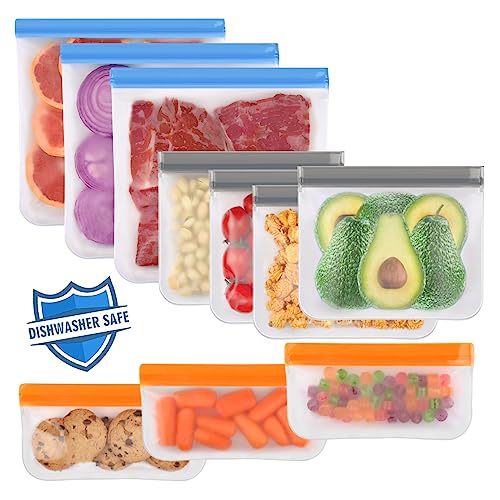
Totally — the vacuum sealer transformed my freezer game. If you do go for it, get the silicone zipper bags too for marinating. 👍
Market day checklist I use (I adapted from this article):
– Smell stuff (if it smells like earth/green it’s usually fresh)
– Buy ugly cucumbers if cheap 👀
– Ask farmers when their peak is — they love to tell you
– Bring reusable containers for bulk dried fruit/nuts
Also — pro tip: that Chef Preserve Compact Handheld Vacuum Sealer is tiny but great for resealing opened cheese bags and keeping herbs in the freezer. Saves SO much waste. 😊
Do not underestimate the power of asking, ‘What’s your ripest pick for today?’ 90% of the time you get the best deal.
Love this checklist, Sophie. We’ll feature a condensed version in the next newsletter. Also adding your tip about resealing cheese — simple but effective!
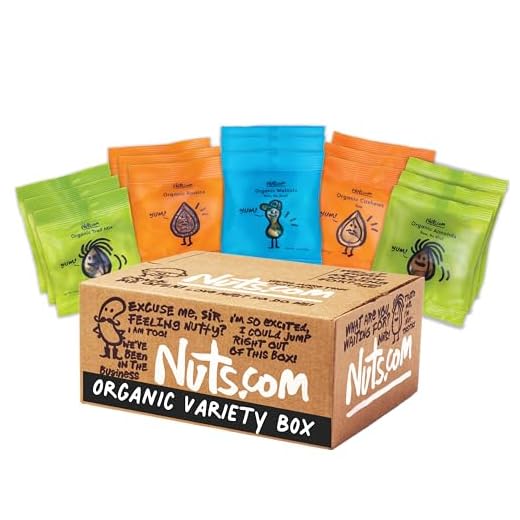
Has anyone used the Organic Dried Fruit and Nuts Variety Box as a salad topping? Curious about texture/soak times.
I carry a small cooler bag for fragile produce. Keeps berries from getting smashed — game changer.
Omg yes to reusable containers. I started doing this and the vendors actually appreciated it. Cuts down on bag clutter too.
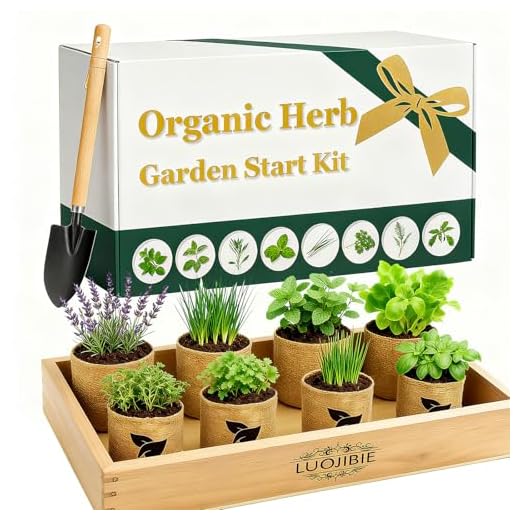
Good piece. I’m curious how realistic it is to keep herbs year-round with the Complete Organic Indoor Herb Garden Start Kit mentioned. Anyone tried it over winter?
I like the “Cook from the Land” philosophy but sometimes the scale part freaks me out — like how to keep things tasty if you’re making 10lbs of tomatoes into sauce.
I do the same — roast with olive oil & herbs from my indoor kit, then flash-freeze on a tray before sealing. Keeps flavor up.
Hey Ethan — the indoor herb kit can work well if you have steady light (or add an LED grow light). For tomato scaling, the article’s vacuum sealer + jar tips are the easiest: seal individual portions or make concentrated passata to freeze.
I wintered basil once with a small LED and rotation — it was finicky but doable. For tomatoes: roast, reduce, then vacuum-seal cubes. Saves space and intensity.
Huge fan of the veg-forward angle here. “Meat on the Side” was already on my shelf, and pairing those recipes with the Organic Dried Fruit and Nuts Variety Box as snack/side ideas is genius.
Would anyone share a quick weeknight menu: 3 dishes that can be mostly prepped in advance?
Add a brown-butter fruit compote (use the dried fruit box) — take 5 mins to rehydrate and warm, serves as a sweet finish or topping for yogurt/porridge.
Quick weeknight trio: 1) Roast-root veg (pre-roast and reheat in cast iron), 2) Grain bowl with preserved tomatoes & chopped nuts, 3) Quick skillet greens with garlic and a squeeze of cider. Most elements store well with the vacuum sealer.