
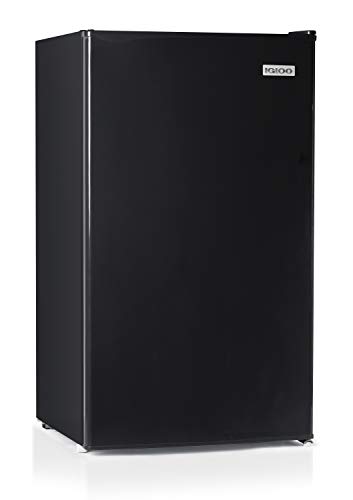

Why a Compact Fridge Works for You
You want cold food in a small spot. You want low cost and less fuss. This guide shows how to get both.
First, pick the shape that fits. We cover types and sizes. Next, learn the features that change day life. Small things matter. Measure well. Fit it right or regret it. We show how.
Control energy, noise, and running costs. Save money and sleep better. Finally, buy smart and care for it. Check warranty. Read reviews. Keep it clean.
Read fast. Decide sure. Get the compact fridge that does the job.
This guide is short. It gives clear steps. You will pick fast. You will buy with confidence and enjoy cool food.


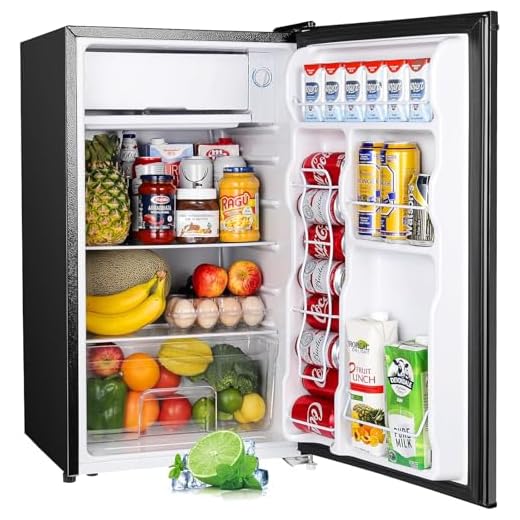

Top 5 Best Mini Fridges: Compact Picks, Reviews & Buying Guide
Types and Sizes: Pick the Shape That Fits
Know the common types
Not all compact fridges do the same job. Pick one that fits what you store.
Match type to use
If you buy drinks only, pick a beverage fridge. If you cook, pick floor-standing or under-counter. If you meal-prep, get a model with adjustable shelves.
Camping or backyard bar? A beverage fridge like the Electactic 130-Can 3.2 Cu.Ft Beverage Refrigerator fits many cans and opens wide for bottles.
Measure capacity the quick way
Think about what you keep cold. Count the items. Do a quick list: milk, two wine bottles, three meal containers, five cans. That gives a target.
Use these rough guides:
A note: 1 cubic foot = 28.3 liters.
Think about shape and access
Will you stack containers? Get flat shelves and removeable racks. Will tall bottles fit? Check interior height and door pocket depth. Door swing matters. A left hinge can block a tight hallway. Look for reversible doors.
Real life: a friend bought a 3 cu ft unit and could not fit tall kombucha bottles. He returned it for a taller model. Measure your tallest bottle before you buy.
Quick checks before you order
Next, we look at features that change daily use.
Key Features That Change Your Day-to-Day Use
Thermostat you can trust
You want steady cold. A dial can work. A digital control works better. Look for clear numbers or preset levels. Aim for 37–40°F (3–4°C) in the fridge. Use a cheap fridge thermometer to check. If you store meds or dairy, choose a model with accurate, fast response control.
Door swing and seals
Space is tight in real life. Reversible doors give you options. Check the gasket. Seal it with a paper test: close the door on a dollar bill. If it slides out easily, the seal leaks. A tight seal keeps food fresh and cuts power bills.
Shelves, bins, and layout
You will move jars and meal tubs. Pick adjustable shelves. Removable bins make a mess vanish. Strong shelves matter. Tempered glass holds jars. Wire shelves bend. Think how you load it. Want to stack meal prep boxes? Get flat, strong shelves.
Freezer size and defrost method
Decide if you need a freezer. A tiny icebox fits peas and trays. A larger freezer lets you store meals. Know the defrost type:
If you travel or use it irregularly, auto-defrost can be kinder. If you try to save every watt, pick manual and plan a defrost day.
Ice, drink racks, and accessories
Do you drink bottles or cans? Look for a bottle rack or can shelves. Want ice on demand? An ice tray is cheap and low-tech. An ice maker gives speed but costs space and energy. Removable door bins help with tall bottles. Some models add egg trays, spice caddies, and deli drawers. Use them only if they match your routine.
Quick daily-use checks
Pick the features you will use every day. They shape how you live with the fridge. Next up: measure the spot and place the unit so it breathes and works well.
Measure and Place: Fit It Right or Regret It
Measure twice, buy once
Measure the space. Height, width, depth. Add the handle and the hinge. Measure the door swing. The door needs room to open fully. Add a few centimetres for air flow. Aim for 2–5 cm at the back and 5 cm above the unit. Check the manual for vent needs. Some models need side clearance too.
Door swing and clearances
Think about how you use the door. Will you pull a tray out from the middle? Does the door hit a wall, a cabinet, or a trash bin? Reversible doors help. Sliding doors solve tight halls. If a door rubs a frame, the seal will fail and the compressor will run longer.
Power, floor, and the path in
Find the plug. Mark where it sits. Measure the cord. Most cords reach about 1.5–2 m. If your outlet is far, plan for a safe extension or move the outlet. Use a grounded plug. Do not hide the cord under rugs.
Check the floor. Is it level? A tilt can make the door swing odd and stress the compressor. Reinforce soft floors. Use sliders or a dolly to move the fridge. Remove shelves and items from doors before you carry it. Secure the compressor per the manual. Many fridges must stay upright. Some can tilt a little. Know the rules before you lift.
Heat, light, and noise
Do not sit the fridge next to a stove, radiator, or hot water pipe. Heat makes it work harder. Sun on a glass door will do the same. If you put it in a sunny alcove, expect higher bills and a shorter compressor life.
Think about noise. If it hums, do not put it by your bed. Place it on rubber feet or an anti-vibration pad. A concrete floor will carry sound. A carpet will damp it.
Quick checklist:
Get the siting right now. It will cut noise, cut wear, and lower bills. Up next: how to manage energy, noise, and running costs.
Energy, Noise, and Running Costs You Can Control
Read the label, not the ad
Look at the kWh per year on the spec sheet. That number tells you what it will cost to run. Older mini fridges can use 300–800 kWh/year. New, efficient models often use 80–150 kWh/year. At $0.15/kWh, that’s about $12–$120 a year. Energy Star or an EU energy class helps you compare fast. Pick the lower kWh.
Compressor and cooling tech
The motor and cooling method shape bills and sound. Basic compressors cycle on and off. They use more power and make a steady hum. Inverter compressors run at variable speeds. They use less energy and sit quieter. Thermoelectric units are quiet but less efficient in warm rooms. For a dorm or office, an inverter mini can cut bills and live longer.
Noise: decibels and placement
Decibels give you a clear test. 30–35 dB is very quiet. 40–45 dB is noticeable in a bedroom. Listen at night before you buy, if you can. Place the fridge on a solid, level floor. Use rubber feet or an anti-vibration pad. That cuts rattle and keeps the compressor happy.
Small moves that trim running costs
Use these daily steps. They are cheap. They work.
A small fix can give big returns. Clean a coil. Swap a noisy old unit for an inverter model. These moves cut bills, cut noise, and make the fridge last.
Buy Smart and Care for It: Warranty, Reviews, and Upkeep
Set a budget. Be honest.
Decide what you will spend. Add a buffer for delivery or a stand. Cheap fridges can last. So can expensive ones. Match price to needs. If you want quiet and low energy, spend a bit more.
Read reviews the smart way
Scan many reviews. Ignore the screams and the raves. Look for repeated faults. If ten people say the same leak, that matters. Watch for these red flags:
A model with steady, calm praise beats one with flashy five-stars and a string of one-star rants.
Check warranty, returns, and service
Read the fine print. Look for these items:
Ask the seller where you get service. Ask if local repair shops are authorized. A good network saves you time and money.

First steps when it arrives
Level the fridge. A tilt stresses the door. Use a small spirit level or a phone app. Let it sit upright if it was delivered on its side. Plug it in. Wait 12–24 hours. Put a thermometer inside. Check the fridge at 3–4°C (37–40°F) and the freezer near −18°C (0°F). Test the door seal with a plain sheet of paper. Slide it in. If it comes out easy, the seal leaks.
Simple upkeep that keeps costs down
Do these tasks once a year or as needed:
A small job now often avoids a big one later. Treat the fridge well. It will give you years of quiet service. Move on to choose with confidence.
Choose with Confidence
You know what to check. Measure once. Measure well. Pick the shape that fits. Choose the features you will use. Match the energy draw to your needs. Set a clear budget. Look for a decent warranty and good reviews. Prioritize quiet if sound matters.
Care for the unit. Clean coils. Keep seals tight. Defrost as needed. Use it wisely and it will last. Buy with calm. Decide with facts. If you pause and compare models, you will avoid buyer’s regret and save time and money. Then shop and buy smart today.




I honestly did not expect to enjoy reading about fridges but here we are. The ‘Buy Smart and Care for It’ tips were clutch — cleaning coils, defrosting schedules, simple maintenance that extends life. I actually set a calendar reminder now.
PS: Anyone else feel like fridges are the unsung heroes of adulthood? 😂
Also check the drip pan under the unit occasionally. Mine had mold 😂 gross but easy fix.
Alex — same, also wipe door seals with a mild detergent. They collect the worst crumbs.
Fridge maintenance = adulting level unlocked. I set mine to remind me every 6 months to clean coils and door seals.
Yes, totally the unsung heroes! Love the calendar reminder idea — small maintenance tasks go a long way.
Anyone tried the Upstreman 3.2 Cu.Ft Mini Fridge with Freezer? I’m torn between that and the EUHOMY 1.7 because I need a little freezer compartment. The article’s freezer section was helpful but I want real-user feedback on how tiny freezers actually perform (ice cream opinions welcome).
Mini freezers are usually fine for ice cube trays, frozen veggies, and a pint or two of ice cream but not long-term bulk storage. Upstreman’s freezer is small but functional; it excels if you want an all-in-one unit versus separate fridge/freezer.
I had the Upstreman for a year — the freezer kept ice cream scoopable but it did get icy if you didn’t defrost occasionally. Solid for dorm-life or small apartments.
Short and sweet: the Measure and Place section saved me from buying something that wouldn’t fit behind my couch. I almost ordered a 4 cu.ft without measuring — thanks!
Also lol at the ‘or regret it’ line — true story. 😆
Pro-tip: measure with the door open at the hinge angle you plan to use most. I once thought a door would fit, but the hinge required extra clearance.
Same — also factor in space for a power cord. Some fridges have short cords and you’re suddenly rethinking placement.
We’re glad that tip helped, Laura! It’s crazy how often people forget clearance for vents and door swings.
Question — has anyone used the Antarctic Star 4L Portable Mini Fridge for skincare? The article mentioned portable units but I wasn’t sure if 4L is big enough for creams and masks. I’m looking for something I can actually carry to a shoot.
TIA!
4L is very compact but fine for a small stash of serums and a couple of jars. For carrying to shoots, the Antarctic Star is lightweight but check if it requires a car adapter vs. plug — that affects portability.
I use a similar 4–5L for my skincare samples. Fits a handful of tubs and tubes. Not for a whole week’s worth, but perfect for portability.
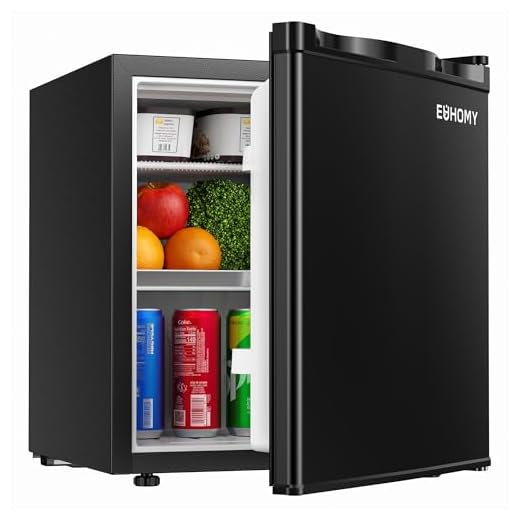
Not thrilled with the section that kind of glossed over noise ratings. My last mini sounded like a bees’ nest and it drove me nuts. If you’re sensitive, ask for dB numbers or videos before buying. Happy with my EUHOMY 1.7 though — low hum and fits in my bedroom.
Good point about dB specs — we’ll look into adding a quick table of typical noise ranges for common models. Glad EUHOMY worked for your bedroom setup.
Videos are great — I watched a few YouTube sound tests before buying. Helps more than just a number on paper.
Thinking about the Electactic 130-Can beverage fridge for my garage man-cave. Article helped with noise vs energy tradeoffs, but does anyone know if that model is noisy when in a warm garage? I don’t want it sounding like a jet while I’m gaming 😅
I have the Electactic in my basement and it’s pretty quiet at normal temps. But when it’s 90+ outside it ramps up. Worth getting a shaded spot and maybe a small shelf to deaden vibration.
If noise is a dealbreaker, look for ENERGY STAR models with quieter compressors — BLACK+DECKER 1.7 Cu.Ft is pretty hush in my kitchen.
Good question — garage placement matters. We recommend checking the manufacturer’s ambient temperature rating; many beverage fridges perform best within 50–80°F. Outside that, compressors work harder and get louder.
Big fan of the energy section. I swapped my old mini for the BLACK+DECKER 1.7 Cu.Ft ENERGY STAR and my electric bill actually went down a bit. Worth the slightly higher upfront price.
Also: the piece on warranties is underrated — get the extended if you live somewhere humid or dusty.
Also check if the warranty covers compressor replacement — that’s the expensive part.
Appreciate the tip, James. ENERGY STAR models can be surprisingly impactful over time. Good call on considering local climate for warranty decisions.
Totally — my landlord never cleaned vents and my old one died in 3 years. A warranty + annual cleaning saved me money in the long run.
Loved the breakdown of sizes — finally something that explains cubic feet without making me feel dumb haha. I bought the Igloo 3.2 Cu.Ft for my tiny studio and it fits perfectly under my counter. A couple of things I wish the article had: more tips on stacking storage bins inside the fridge and a note on how well these hold up in summer (my kitchen gets HOT). Overall solid read!
I use small clear crates in mine too. Pro tip: put taller bottles on the door and use the main shelves for stackable containers — saves so much space.
Thanks Sophie — great practical point about bins. We’ll add a short section on internal organizers and how heat can affect compressor cycles. Glad the Igloo is working for you!
This article could’ve had more photos of the inside setups. I like the product list (Igloo, EUHOMY, etc.) but seeing how people organize shelves would be super helpful.
Also the tone is friendly — nice job. 😉
Great feedback, Liam. We’ll add a gallery of interior setups and organization ideas in the next update. Thanks for the compliment!
Agree! Before photos are a lifesaver. Even a busy fridge layout would help me choose between beverage vs. combo models.
Yes please to photos — I always wonder how much actually fits in 3.2 cu.ft. Pictures = instant clarity.