

Start Here: Match a Burner to Your Needs
You want a burner that fits your life. You need speed, control, and a good fit for your counter. This guide helps you weigh the essentials. Read on to learn the types of burners, power and performance, size and portability, fuel and efficiency, materials and build, safety and controls, and care and upkeep.
Each section cuts to what matters. Learn which tech suits you. See how much heat you need. Find the right size and fuel. Check build quality and safety. Learn upkeep. By end you will know which burner to buy.


Affordable Countertop Repair Ideas for a Fresh Kitchen Look
Know the Types: Pick the Right Tech
Electric coil
Simple. Cheap. Tough.
Coil burners heat slowly. They keep heat steady. Pots sit right on the coil. You can use any pan. They handle cast iron well. They scorch easily if you leave them hot. Clean with care. A coil is a good pick if you want low fuss and wide cookware choice.
Glass-ceramic (radiant)
Sleek look. Smooth top.
Glass-ceramic hides the element under a smooth surface. It heats faster than coil. It stores heat after you turn it off. Use flat-bottom pans for best contact. Watch for scratches from rough pans. If you like a modern counter, this fits.
Induction
Fast. Precise. Efficient.
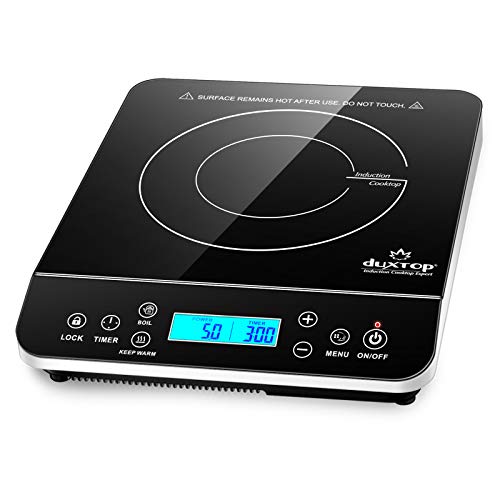
Induction moves heat into the pan by magnetism. It reacts instantly when you turn the knob. It wastes little energy. Pots must be ferrous. Stainless with iron core, cast iron, or magnetic stainless work. It stays cool to the touch around the pan. If you want speed and control, this is it.
Portable gas (butane/propane)
Stove feel. Open flame.
A butane stove gives the quick response of a home range. It sears and simmers with ease. It needs ventilation. Check for a good regulator and a sturdy windscreen if you use it outdoors. Iwatani-style butane stoves work great for table-top cooking. Carry spare canisters.
Infrared and halogen
They blur the lines.
Infrared and halogen burners heat fast and hot. They mimic broilers and grills. They are great for searing and quick pan work. Some units pair halogen for speed with ceramic tops for evenness. They need less time to brown meat.
Quick guide at a glance:
Next you’ll learn how raw power and heat control change real cooking results.
Power and Performance: Heat That Works
Read the numbers
Wattage and BTU tell the core story. More watts or more BTU mean faster boils and stronger sears. A 1,800 W induction will bring a liter of water to a boil in minutes. A 1,000 W model takes longer. Portable gas often lists 5,000–15,000 BTU. Pick more power if you sear meat or fill big pots.
Low end and response
Good simmer needs low, steady flame or wattage. Check the burner’s low setting. Can it hold a bare simmer for stock? Turn the knob and watch the pan. Induction reacts in seconds. Glass-ceramic lags. That lag will burn delicate sauces.
Heat spread and pan match
Look at the element size. Wide, even heat saves you from hot spots. Use flat-bottom pans on smooth tops. Induction moves heat inside the pan, so pan base matters. Cast iron spreads heat well. Aluminum pans with a thick base work, too.
Control and steps
Count the heat settings. A smooth dial or stepless control gives fine adjustments. Digital steps can be precise, but crude steps do not. You want small moves, not big jumps.
Quick tests you can do
These checks show real performance, fast. Pick a burner that fits the way you cook next.
Size, Portability, and Fit: Where It Will Live
Measure first
Measure your counter. Note depth, width, and clear wall space. Mark outlets and vent gaps. Check for overhead cabinets and hood clearance. If you skip this, you buy a unit that will not sit right.
Single, double, or built-in
A small single burner frees space and fits tight spots. A double unit boosts capacity and lets you cook two pans at once. Built-in or inset models need a cutout. Measure the cutout before you buy. If your pots are wide, pick wider burners.
Portability and storage
Think where you will store it. Will it live on a shelf or slide under the sink? Portable models must fit your storage plan. Cast iron units are solid. They sit well but take more room and weight. Lightweight induction units tuck into cabinets.
Power access and vents
Note plug spots and GFCI rules. Some units need 120V, others 240V. Leave room for vents and airflow. Don’t push a hot unit against a wall.
Real-world fit tips
Match size to your pots and your pace. Fit beats flash. Next you will look at how fuel and efficiency shape cost and speed.
Fuel and Efficiency: Cost, Speed, and Waste
Efficiency by fuel
Pick fuel that fits your grid and habit. Induction sends most energy to the pan. It runs at roughly 80–90% efficiency. Electric coils lose more heat to the air. Expect 60–70% efficiency. Open gas flames spill a lot. Gas often sits around 40–55% efficient but gives instant control and high peak heat.

Cost per use — a quick math trick
You can guesstimate cost fast. To boil 1 L from room temp needs about 0.1 kWh of heat. With 90% induction efficiency, that’s ~0.11 kWh drawn. If electricity is $0.15/kWh, cost ≈ $0.02 to boil. With a 50% gas efficiency, you pay more per boil. Check your local rates. Do the math for your typical pots and meals.
Fuel access and lifestyle
Think fuel supply. Do you have a gas line or propane refill shop? Do you live off-grid or camp? Propane stoves work in the wild. Induction needs reliable electricity or a heavy battery. A small generator plus an induction unit can work, but add noise and weight.
Tips to cut waste
Materials and Build: Lasting Parts and Smart Design
Tops and surfaces
Look at the top first. Stainless steel resists stains and bolts down. It hides scratches and cleans with a cloth. Glass-ceramic wipes clean fast. It can scratch or crack if you drop a cast pan. Enamel hides chips but can chip. Run your finger over seams. Sharp edges and gaps show cheap work.
Grates, burners, and internals
Cast-iron grates hold heavy pans. They stay flat when hot. Thin stamped grates flex. Check burner heads. Brass or stainless heads last. Thin stamped steel corrodes. Look at the valve and connector. Threads should be solid. Ask if parts are replaceable. You want a unit you can service.

Welds, seals, and fastenings
Good welds look smooth. Tight seams keep spills out of the cabinet. Screws should be torqued and plated. Look under the cooktop. Ask about seals near gas fittings. A felt or silicone gasket at a cutout matters. Cheap rivets pop loose. A solid frame keeps the top from warping.
Quick buy checklist
A strong build makes controls safer. Next, you’ll want to check safety features and how the unit feels in use.
Safety and Controls: Cook with Calm
Cut power when it matters
Safety starts with automatic stops. Look for auto shutoff and flame-failure cutouts. If a pan boils dry or a flame dies, the unit should kill the fuel. For gas, test the ignition and the shut valve. Turn the valve. It should feel firm. A bad valve leaks or wiggles.

Controls that work in real life
Read how the controls work. Try them. Big knobs give you grip. You can turn them with gloves or wet hands. Tiny dials force fiddling. Lights and heat indicators cut mistakes. A red light for hot glass saves burnt fingers. A clear click tells you the burner heard the command.
Keep the unit steady and cool
Check cool-touch edges and stable feet. Set a pan on the top and nudge it. It should not slide. Feet should not slip on wet counters. Child locks matter if you have kids. They stop curious hands from lighting a burner. Ask if the lock needs a code or a long press.
These checks keep you cooking, not fixing. Next, you’ll care for the parts so they last.
Care and Upkeep: Keep It Working
You kept the unit steady. Now keep it clean. Small chores stop big breaks. Do them often. A little care adds years.
Clean fast. Clean right.
Wipe spills while they are warm, not hot. Sugar and tomato will etch glass if you wait. Use a soft cloth and a cleaner made for the surface. Try Weiman Glass Cooktop Cleaner for glass tops. Use Bar Keepers Friend on stainless. For induction, a damp microfiber does most of the work.
Replace worn parts
Drip trays warp. Coils burn out. Replace them when they fail. Buy OEM coils for GE/Whirlpool or a direct-fit part for your model. A bad drip tray breeds rust. A bad coil wastes energy.
Descale and tighten
If your unit has water passages or a steam feature, descale with a 1:1 vinegar and water rinse. Unplug first. Soak removable parts, rinse, dry. Check screws every few months. Tighten feet, knobs, and terminals. Loose fasteners make noise and fail controls.
Test and store
Test safety switches now and then. Flip the child lock. Trigger the auto shutoff per the manual. Store removable parts dry and safe. Keep spare screws and a small parts bag.
Learn a few simple fixes. They save service calls. With these habits in place, you’re ready to choose, test, and cook.
Choose, Test, and Cook
You now know what to check. Match type, power, and size to your cooking. Pick fuel that fits your budget and speed needs. Choose sturdy parts and clear safety features. Think about upkeep before you buy. Test the unit on a simple dish. Watch how it heats. Listen for odd sounds. Note controls and stability. If it nails that dish, it will do more.
Buy with a care plan. Clean it often. Replace worn parts. Cook with calm and joy. Enjoy the heat. Share your find and start meals that make your home feel alive today.



Longer take because I tested several items from the product list over 6 months:
1) Duxtop 1800W (both black & standard) — reliable, affordable, great for daily one-pan meals. Prefers flatter magnetic bottoms.
2) Nuwave Flex — pricier but the precision modes actually helped when I needed to keep a sauce at 140°F for longer. Nice for sous-vide-ish tasks.
3) GASLAND 36-inch Five Burner Gas Cooktop — obviously a different class (installed unit), insane power, best for big families or if you love real flames.
Care and Upkeep: induction requires less grease cleanup but watch the sensor pads; the article’s “Care and Upkeep” tips saved me from scratching the glass top.
Question for other readers: has anyone tried the OMEO 1800W? I read it’s similar to Duxtop but with slightly different control layout.
I have the Nuwave Flex and LOVE the precision — used it for melting chocolate and it didn’t seize once. But for general frying, I’d go with Duxtop for price/value.
Noted on installation costs — we’ll add a short note under the GASLAND mention about installation and ventilation requirements.
Thanks for the detailed notes, Olivia — super helpful. A few readers have briefly mentioned OMEO being more compact with simpler controls; not as many presets as Nuwave but comparable raw power to Duxtop.
I used the OMEO for a semester in a studio apartment — cheaper than Duxtop and handled my stainless pans fine. Controls are simpler like admin said, but that was a plus for me.
GASLAND is a dream if you have space and ventilation. Otherwise, portable induction for the win. Also — install costs for a 36-inch can be a surprise, FYI.
Quick question: the article mentions “Care and Upkeep” but I’m lazy — do induction units like the Duxtop or OMEO need professional servicing or are they mostly plug-and-play for maintenance? Also, do cast iron top plates (Elite Gourmet) need seasoning if used on a countertop hot plate?
Great question, Marcus. Most portable induction units are low-maintenance: wipe the glass after cooling, avoid dragging pots, and keep vents clear. Professional servicing is rare unless a fan or control board fails.
Cast iron hot plates: yes, treat them like regular cast iron pans — clean, dry, and season lightly to prevent rust. If used on a countertop, put a heat pad under them to protect the counter.
Honestly, this article was the push I needed to stop dithering. I bought the Duxtop 1800W Portable Induction Cooktop and a cheap set of magnetic-bottomed pans.
First week: made stir-fry, poached eggs, and a tiny cheesecake (yes, cheesecake on an induction). The “Size, Portability, and Fit” section was spot on — measure twice, buy once 😅
Minor nitpick: the “Fuel and Efficiency” part could use more numbers (like kW/h estimates for each model). Some done-for-you math would help budget-conscious buyers. Otherwise, solid piece. ♥️
On the energy numbers: induction is generally 80-90% efficient versus gas ~40-55% at the pot surface. Not exact per model, but gives you an idea.
Thanks Priya — amazing that you made cheesecake! We’ll look into adding sample energy-use calculations for the main models (Duxtop, OMEO, Nuwave) in the next revision.
Cheesecake on induction — you’re a hero. Could you share which pans you used? I worry about getting the wrong set and wasting money.
Used a small springform with a magnetic disk at the bottom. Worked surprisingly well. My pan set was a basic stainless induction-ready set from Amazon.
Great roundup — loved the “Start Here” flow. I was stuck between the Duxtop 1800W and the OMEO 1800W for a while.
What pushed me to try induction was the speed and the “no open flame” vibe (we have a curious toddler). The article’s safety section nailed the checks I was worried about.
One gripe: didn’t see much on noise levels — my tiny kitchen is open to the living room and the induction fans can be noticeable on some models. Anyone compared the Duxtop vs Nuwave on that?
Also: pro tip — if you have cast iron pans (Elite Gourmet hot plates), remember they need a little extra energy to heat evenly. Learned the hard way 😂
I have the Duxtop 1800W Black and it is definitely not whisper-quiet at top power, but it’s tolerable at medium. If you mostly do simmering, you won’t notice much.
Thanks Maya — glad the Start Here section helped. Good call on noise, that’s something we should add. From reader feedback, the Duxtop tends to have a slightly louder fan under max heat vs the Nuwave, which throttles differently. I’ll push an update with a short noise-comparison note.
Totally agree about the toddler thing — induction feels safer. Also, cast iron on induction = slow warmup but insane retention. Use a lid and low‑med to even things out.
Funny read. I ended up buying an Elite Gourmet Double Cast Iron Hot Plate for the garage — solid, cheap, and loud as heck. No frills but it gets the job done. Not for people who want sleek counters though.