


Master the Skillet, Master Dinner
You can cook great meals in your electric skillet. It’s fast and forgiving. Follow this clear guide. You’ll learn to preheat, season, time, use moisture, and finish dishes with confidence. You will feel proud at the table every night now.
What You Need
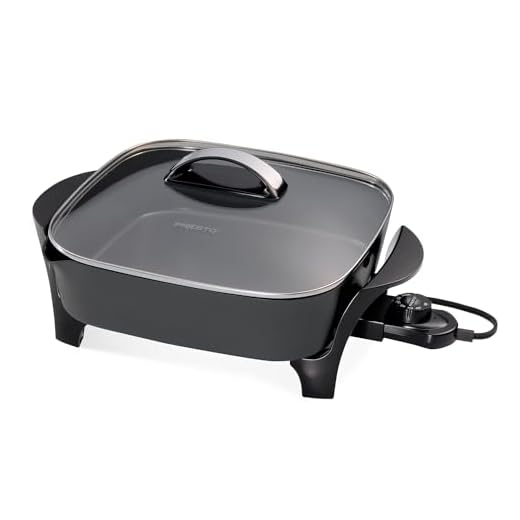
9 Delicious Dishes You Can Make in an Electric Skillet
Know Your Skillet
Do you know its hot spots? Treat it like a trusted tool, not a mystery.Read your manual. Note your max temp and limits.
Run a dry heat test. Heat to medium and watch how the plate warms.
Map the hot and cool spots. Use that map when you cook.
Place food where it will brown best. Move delicate items to cooler zones. Sear on hot spots. Slow-cook on low spots. Cook with intention.
Expect low spots to cook slower. Expect high spots to sear fast. Use that knowledge and move food as needed during the cook.
Preheat with Purpose
Start hot or you will stew. A good heat saves texture and time.Set the skillet to the right temp.
Wait three to five minutes for a 10‑inch unit.
Test with a drop of water. It should dance or sizzle.
Add oil after the pan is hot. This stops sticking and builds a thin nonstick film.
Keep heat high enough to sear meat. Keep heat steady to keep veggies crisp. Heat locks juices in meat and keeps vegetables bright.
Do not crowd the pan. Give each piece room to brown. Leave space for color and steam to escape.
Sear chicken: heat 4 minutes, add oil, place pieces in a single layer. Watch for a deep brown crust before you turn.

Season and Oil Smartly
Less is more. Salt like you mean it. Oil is a aid, not a bath.Pat proteins dry. Remove surface moisture so meat browns.
Salt at the right time. Salt right before cooking for a quick sear. Salt earlier for slow cooks — up to an hour for thick roasts. Show a quick example: sear a steak — salt just before and sear hot 2–3 minutes per side. Salt chicken for braise 30–60 minutes ahead.
Choose oils with a high smoke point for searing. Use avocado, refined canola, or grapeseed. Apply a thin film. Wipe excess with a paper towel.
Oil the food if your pan is nonstick. Oil the pan if it is cast iron or stainless. Heat oil until it shimmers. Do not let it smoke.

Cook in Clear Stages
One pan, staged moves. Browning, then gentle finish. Rhythm beats rush.Start with browning. Sear steak 2–3 minutes per side to lock flavor.
Let food build a crust before you disturb it. Flip once. Move items that are done to a warm spot at the edge of the skillet.
Add items that take less time later. Lower the temp for a gentle finish and even cook.
Use the lid only when you want steam. Stir veg with care to keep texture and color. Use a thermometer for meat. Aim for target temp, not time alone.

Use Moisture and Lid with Intent
Steam is a tool. Too much will kill crisp. Use the lid like a lever.Trap steam to finish roots and grains.
Try tucking baby potatoes under the lid for 8–12 minutes until tender.
Lift the lid to let steam out and re-crisp the top.
Try lifting once for broccoli or pan-fried chicken to brown edges.
Add a splash of stock or wine to deglaze.
Scrape browned bits to build sauce and to clean the pan.
Watch puddles.
Spoon off excess liquid so food can sear again.
Raise heat if food is steaming.
Stir and let the surface dry until it sizzles.
Control moisture to keep texture right.

Finish, Rest, and Clean Like a Pro
A strong finish saves a meal. Rest meat. Make a quick sauce. Clean now, relax later.Pull food at the right temp. Pull steak at 125°F for medium‑rare; rest 5–10 minutes.
Rest meat to lock juices. Rest roast or birds covered loosely with foil.
Use pan fond for a quick sauce. Deglaze with 1–2 tbsp stock or wine and scrape bits. Finish with a knob of butter or a splash of cream.
Lower the heat and add butter or cream if you like. Stir until the sauce shines.
Serve with intent. Plate hot food on warm plates and spoon sauce over.
Cool the skillet, then wash by hand if the maker advises. Do not scrub nonstick hard. Use a soft sponge and mild soap.
Dry the skillet. Store the cord and lid neat. Small good habits keep the skillet true.

Cook with Confidence
You now have a simple plan. Heat, space, timing, and finish win the day. Practice one dish at a time. Try a recipe tonight. Share your results so others can learn. Start now and cook with confidence today. Tell us.





Long post because I love this topic:
Line 1: Electric skillets are underrated in small apartments.
Line 2: This guide nails preheat + stages which is what I tell friends who never learned to cook.
Line 3: Pro tip — use the lid for braising tougher cuts, but finish uncovered to caramelize.
Line 4: Cleanup is easier if you deglaze with stock or wine before anything gets stuck.
Line 5: Thank you for making it feel doable, not intimidating.
Any braise timing suggestions for chuck or short ribs in an electric skillet? I’m guessing low and slow with the lid, but curious about temp ranges.
Fantastic breakdown, Michael. People often forget the deglaze-as-cleanup trick — it saves flavor and scrubbing.
Agree on small apartments — my electric skillet is my whole kitchen during winter. Would love more casserole-style electric skillet recipes though.
Okay this guide is practical but could use more on delicate foods — fish and eggs. I tried following “Cook in Clear Stages” for a pan-roasted salmon and it flaked apart when I flipped it. Maybe include tips for nonstick vs cast-alum surfaces?
Also, I think the “Use Moisture and Lid with Intent” section is super underrated — I never used the lid like a weapon before 😂
Nonstick vs cast: nonstick is forgiving for eggs, cast does better for browning. I use both depending on mood. Also, pat fish dry before seasoning — less steam, better crust.
I have the same issue sometimes. Using a fish spatula helps a ton. Also, if it’s sticking, try letting it rest on the skin side a bit longer so the skin crisps and releases.
Great point, Priya. Fish and eggs deserve their own subsection. Quick tip: for salmon, get the skin crisp first and only flip once. Use a thin spatula and don’t force it — if it resists, it’s not ready to flip.
I appreciate the step-by-step staging section. Breaking a recipe into stages (sear, deglaze, simmer, finish) made even complicated dinners feel manageable.
One constructive nitpick: maybe include timings for common proteins and veg — rough ranges are so helpful for beginners.
Agreed — even approximate times (like 3-4 min per side for med-thick chicken breast) would take a lot of stress out of cooking.
Solid suggestion, Jose. We’ll add a timing cheat-sheet for common proteins/veggies in the next update. Thanks!
Loved the tip about preheating with purpose — seriously changed my sear game. I used to crank heat and toss stuff in immediately, which always ended up soggy.
Now I let the skillet heat a solid 4-5 minutes and it actually sticks less and browns better. Also, the section on finishing and resting was a game changer for chicken breasts.
Thanks for the clear stages breakdown. Might try a steak next and report back!
Nice! I do the same for pork chops. Quick tip: a splash of butter at the end gives a great finish — watch it so it doesn’t burn.
What’s your go-to temp for chicken breasts? I always overcook them 🙁 If you post thickness I can share a timing rule I use.
So glad that helped, Emma! Let us know what temp you set for steak and how thick it is — we can suggest timing. Steak thickness + skillet temp are everything.
This guide made me less anxious about cooking dinner on weeknights. The ‘cook in clear stages’ approach is calming — like a mini-baking recipe but for stovetop.
One tiny suggestion: a printable 1-page cheat sheet would be awesome for tacking on the fridge.
So glad it helped, Rachel. A printable cheat-sheet is on our roadmap — thanks for confirming it’s useful!
If you make one, include the ‘probe thermometer temps’ cheat — that’ll be my favorite section.
YES to the fridge cheat-sheet. I would laminate it and worship it daily 😂
Loved the “finish, rest, and clean like a pro” part. One tiny addition: wipe with a paper towel while the skillet is still warm (but off the heat) before full clean — helps remove excess bits.
Also, does anyone else have an electric skillet that runs a bit hot in spots? Slightly uneven temp seems common with older models.
Yep, wiping while warm is a pro move. For uneven temp: rotate your food occasionally and preheat longer. If possible, use cookware that fits the skillet surface to even out heat distribution.
If it’s really bad you might need to get a new thermostat or consider a ceramic-coated model. But try rotation first — less wasteful.
My older model did that too. I solved it by moving things around during long cooks — like a makeshift convection. Annoying but works!
Short and sweet: the oil/seasoning combo section is gold. I switched from olive oil to a higher smoke point oil for searing and it made a big difference.
Also, anyone else use a probe thermometer? Best $15 I spent for steak and chicken.
Yes — high smoke point oils (avocado, light olive, grapeseed) are great. Probe thermometers are underrated — they take the guesswork out of resting temp too.
100% agree. I love my probe. Also, if you use butter for flavor, add it at the end on low heat so it doesn’t smoke.
Question: when you say “season and oil smartly,” do you recommend salting before or after searing? I always debate dry brining vs immediate seasoning. The guide hints at it but doesn’t make a firm call.
Great question. For thicker cuts, salt early (30-60 mins) to dry brine; for thin cuts or delicate veggies, salt just before or right after searing. It depends on moisture and thickness.
For chicken, I like a short brine or salt 20-30 mins before — keeps it juicy without waiting forever.
I do a light salt pre-sear for steaks and heavier salt for thicker stuff. Veggies get salted after a quick sear usually.
Practical guide, saved me from one of those ‘why does my food taste like rubber’ nights. I do have one complaint: the “Know Your Skillet” section could have a short checklist for newbies (does it have removable temp dial? nonstick label? manual?). Simple yes/no boxes go a long way.
Even photos of common controls would help. I once spent 10 mins trying to figure out if my skillet was broken when it just needed to be plugged in properly 😂
Checklist idea is great — we’ll add a quick ‘skillet inspection’ checklist for new users. Thanks for the suggestion!
Fun read and practical. Two tiny points: 1) add a line about using a splatter guard for high-temp frying, 2) if you have a nonstick surface, don’t use metal utensils! That’s a whole other thread 😬
Thanks — both are good calls. We’ll add a splatter guard mention and a caution about utensils for different coatings.
Yes to the nonstick utensils rule. My spatula died a slow, tragic death once I used metal.
I tried the lid trick for steaming dumplings and it worked like magic. BUT: I overdid the moisture once and ended up with soup… whoops. 😅 The guide’s bit about “intent” helped me dial it back.
Also, anyone else find their skillet gets weird smells? How do you fully deodorize it?
Baking soda + hot water soak overnight did the trick for me once. Smell was gone by morning.
I toss citrus peels in a little oil and heat gently — smells great and cleans residual grease. Just don’t burn them!
For smells: simmer a mixture of water and a splash of vinegar for 10-15 minutes, then wash. Baking soda paste helps for stubborn odors. Glad the lid trick worked for the dumplings!
Nice tips overall. I do wish there were more vegetarian-focused recipes in the examples. Lots of meat timings but less about tofu, tempeh, or hearty veg like eggplant. Tofu needs love too!
Agree — eggplant benefits from salting and pressing first to avoid sogginess.
For tofu: press, pat dry, toss in cornstarch, high-heat sear, then finish with sauce. Works wonders in a skillet.
Good feedback, Sara. We’ll expand the veggie/tofu sections with staging and timing tips. Appreciate the nudge.
The “Know Your Skillet” basics were spot on. Took me years to realize my skillet’s thermostat reads low — now I mentally add 25°F to recipes. Saved so many dinners after that epiphany.
Also, vacuum-sealed veggies + lid = almost instant side dish. Try it.
Love the vacuum-sealed veggies tip. Works great for quick braised greens too. Quick steam, chop, season — done.
A thermostat offset is a huge insight — glad you mentioned it. Good reminder for readers to calibrate their device with boiling water or an infrared thermometer.