
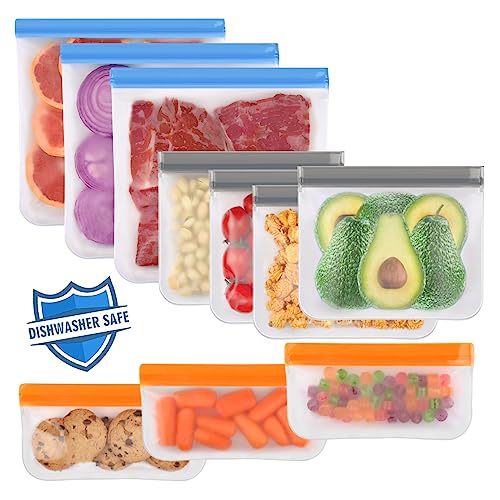

Ditch Cling Film. Keep Food. Save Waste.
Switching from cling film is easy. You save waste and money. You keep food fresh longer. You make small changes that last. This guide shows clear steps. You will learn choices, care, and tricks to make the swap stick well.
What You Need

Ditch Cling Film: Discover the Magic of Beeswax Wraps!
Step 1 — Audit Your Use
Want to cut waste fast? Start here.Count the rolls you use. Look in your bin. Track the film in one week.
Note what you wrap. Note how long you store it. Note where leaks or smells appear. Take photos if it helps. Ask why you grab the film. Is it habit? A tight seal? A one-off trip?
Set clear goals. Pick one quick win. Swap one use first.
Record these at a glance:
Test a few materials. Try beeswax wrap for dry items. Try a silicone lid on bowls. Try glass jars for leftovers. Buy small at first. One set will show if you like it.
Track the result. Note leaks, spoils, and ease of use. Keep the good. Toss the fails. Learn from each test.
Set a test week. Ask others to join. Label swaps. Rotate jars to use food first. Note space needs. Count cost. Adjust the plan. Stick to one change each week. Celebrate small wins. Keep going always.

Step 2 — Pick the Right Reusables
Which wins: beeswax or silicone? Choose smart.Choose the right reusables for your daily needs. Think shape. Think use. Match the wrap to the food.
Use these types as a guide:
Check fit and seal before you buy. Read labels for heat limits. Choose food‑grade wax or silicone. Pick sizes that match your most used bowls and plates. Buy mixed sets or thrift jars and containers for free. If you have kids, pick break‑resistant lids. If you live small, pick stackable glass. Buy quality so you can fix or replace one item, not the whole set. Test one item this week.

Step 3 — Wrap Like a Pro
Simple moves that seal better than film.Wash your hands. Dry your counter.
Warm beeswax in your palms. Mold it over food or bowl. Press edges to seal. Do not cover hot food. Let hot items cool first.
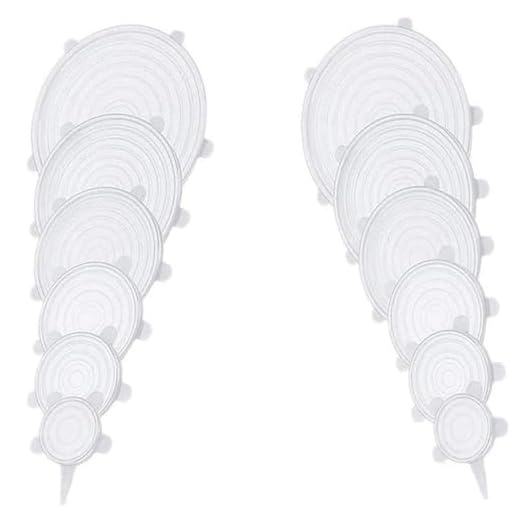
Stretch silicone lids over bowls. Snap tabs if they fit. Fold a wrap like an envelope for sandwiches. Tuck the wrap tight on cut fruit, like an apple or mango.
Use jars for soups and sauces. Leave 1–2 cm of space at the top. Tighten lids. Stack jars by size to save space.
Store leafy greens with a damp towel to stay crisp. Wrap cheese loosely so it can breathe.
Store wraps flat away from heat. Mend small cloth tears with needle and thread. Rewax beeswax wraps when the grip drops.
Wash wraps by hand in cool water with mild soap. Rinse lids and safe containers in the dishwasher if the label allows. Air dry everything.
Mark jars with date and contents. Rotate older items to the front. Practice these moves till you feel sure. It gets quick. Food stays safe.
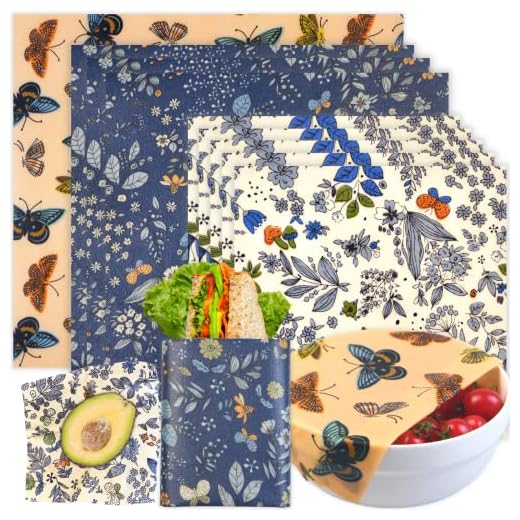
Step 4 — Care, Clean, and Keep
Fix small tears. Save big money.Scrape food into compost or the bin. Wash your wraps straight after use. Wash your wraps by hand in cool water with mild soap. Hot water can melt wax. Rinse well.
Shake off excess water. Hang or lay them flat to dry. Avoid the dryer. Wash silicone lids and glass in the dishwasher only if the label allows. Check seals after cleaning.
Store wraps flat in a drawer. Fold cloth covers gently. Keep beeswax away from direct sun and heat. Rewax when the grip drops. Mend small cloth tears with a needle and thread. Replace cracked lids and warped containers.
Sanitize jars with a brief boil or with oven heat if the glass is oven-safe. Use labels to mark date. Keep lids paired and rotate stock. Freeze only in sturdy glass made for thermal shock. Avoid sudden heat change. If a wrap smells, wash again. If a stain or smell stays, retire it from food use. Share tips widely.
Step 5 — Make It a Habit
Small moves. Big wins. The planet thanks you.Build a small plan. Pick one use to swap each week. Prep meals with containers ready. Pack lunches in glass or wrap sandwiches in cloth. Keep a kit for travel.
Carry a spare beeswax wrap or band. Tell friends and family why you swap. Offer trial items so they can try. Recycle used film where services exist. Save old film for craft projects until you can dispose safely.
Count rolls saved. Track money kept. Note fridge space freed. Log meals saved from waste.
Celebrate milestones. Reinvest savings into better gear. Teach kids the moves. Make the swap part of your week. Watch costs fall and habits stick. Cut waste fast and keep food fresh. Hear the planet thank you. Keep going. One wrap at a time. It sticks.

Swap Small. Win Big.
You can quit cling film. Start small. Test what works. Keep the best. Care for your wraps. Track the wins. Save money and cut waste. Teach a friend. Try it this week and share your results to inspire others today.






Wanted: recommendations for the best inexpensive glass container brand. I broke two sets in a month and feel betrayed. Budget-friendly but sturdy recs pls.
I like ones with snap-on silicone lids — lids survive kitchen chaos and seals are great.
If you travel with them, buy extra padding for transit. Those drops are usually what kills them, not normal use.
Look for borosilicate glass containers or tempered glass with silicone lids — they tolerate temperature changes better. Brands vary by region, but check reviews for ‘tempered’ or ‘borosilicate’ and avoid ultra-thin glass.
Costco has good sets if you have one nearby. Bulk value + decent quality.
I buy local store-brand tempered glass and they’ve lasted forever. Avoid thrift-store random glass if you’re worried about hidden chips.
I tried a beeswax wrap and thought it smelled kinda weird at first. Is that normal? Maybe I’m picky lol.
Yep, sometimes new beeswax wraps have a faint beeswax or resin smell that fades after a few uses and washes. If it’s strong or odd (chemical smell), return it. Otherwise, a quick rinse in cool water and air out for a day usually helps.
If it smells like plastic, that’s a red flag. Otherwise it’s probably fine.
I warmed mine between my hands before first use and it calmed the scent down. Smells like honey now, which I don’t mind.
Been using glass and silicone for months. My tiny kitchen has more jars than when I was a jam hoarder 😂
Some practical notes:
– Label lids with masking tape for leftovers
– Don’t overfill containers if you plan to stack
– Avoid abrasive scrubbers on beeswax wraps
Hope that helps others!
Is anyone else paranoid about breaking glass? I switched to thick borosilicate and it’s been a game changer.
Love the jam hoarder line! Great tips — labeling and avoiding abrasive scrubbers are especially useful. Thanks for sharing.
Also, for stacking, try nesting bowls with a small paper towel between them to prevent sliding.
Pro tip: reuse old fabric scraps as bowl covers for dry snacks. Cheap and cute.
Masking tape + Sharpie is my go-to. Also, glass lids sometimes stick; run warm water under the edge to loosen.
Not trying to be a downer, but what about food waste tradeoffs? Like if a reusable is left behind and food spoils, is that worse than a bit of cling film? Curious how to balance convenience vs waste reduction.
Totally — set a rule: if it’s perishable and you’re not sure you’ll get it refrigerated, use the most reliable containment (glass with tight lid).
Excellent, thoughtful question. The goal is to reduce single-use waste without increasing food waste. Start with easy swaps that don’t risk spoilage (e.g., dry goods, covered bowls in fridge). For high-risk items, use airtight glass or silicone and establish routines (labeling, reminders) to avoid spoilage. It’s about balanced choices, not perfection.
Loved the guide — especially the “Audit Your Use” step. I had no idea how much cling film I was using until I actually tracked it for a week.
Quick question: do beeswax wraps hold up for raw meat? I used them for cheese and veg but hesitated with chicken.
Also, great tip about swapping smaller things first. Small wins feel achievable!
Thanks Maya — glad the audit tip helped! I wouldn’t recommend beeswax wraps for raw meat unless you plan to immediately refrigerate and wash thoroughly afterward; porous wraps can be tricky with raw proteins. Glass or sealed plastic-free containers are safer for that use.
Agree — I use glass containers for meat and beeswax for sandwiches/cheese. Keeps things simple.
Also consider silicone food bags for marinating meat — easy to clean and non-porous.
First time poster here. I tried swapping cling film for silicone bags and they’re great, but where do you keep them so they don’t take over the drawer? 😅
Also, does anyone microwave in silicone bags? I’m nervous about that.
I stand mine up in a tall jar so the ones I use often are easy to grab. Works well!
Welcome Olivia! We recommend storing silicone bags flat or rolled to save space; some people use a small basket in a drawer. Most food-grade silicone is microwave-safe for reheating (check manufacturer’s guidelines), but avoid high-heat cooking or broiling in them.
This guide felt practical. I swapped cling film for silicone lids and a couple of glass containers.
One small gripe: the “Wrap Like a Pro” section could use pics or a video demo. I mean, folding beeswax correctly is an art 😂
Yes! I learned the hard way — warm hands + a little water helps shape the beeswax wrap better than struggling cold-handed.
Good point, Ethan — visuals do help. We’ll aim to add some step-by-step photos or a short video showing folding techniques in an update.
Short and sweet: swapped cling film two months ago. Feeling smug. Also, cleaning beeswax wraps in cold water is oddly satisfying. 😊
My only note: keep a backup wrap in your bag for picnics — saved my sandwich twice.
Picnic saved! I keep one wrap in my bike bag always.
Cold water + mild soap is my routine too. Hot water = melt risk.
Nice! Backup wrap is an excellent tip for on-the-go swaps. Congrats on sticking with it 2 months — that’s real habit change.
Okay real talk: any tips for convincing your partner to stop buying cling film? Mine thinks I am a mossy eco-warrior 😂
I’ve tried swapping items quietly but he keeps buying rolls “for work lunches”.
Make the reusable option the path of least resistance: have the silicone bags and wraps right where he packs lunches. Convenience wins arguments every time.
Haha — relatable. Try a friendly challenge: ’30-day swap’ with small rewards, or present the money saved and environmental impact. Sometimes a small set of cool reusables left in plain sight helps (visual cues).
We put a cute note on the shelf with the cost and waste stats. My partner stopped buying them after seeing the numbers.
The “Care, Clean, and Keep” tips were solid. One extra: if you ding a glass lid, replace it — a tiny crack can lead to germs hiding and then BOOM mold.
Also, anyone tried DIY beeswax re-coating? Worth it?
I used a baking tray and parchment paper. Heat gently in oven, brush on, then cool flat. Clean-up was minimal if you plan it.
Good safety tip on cracked glass! DIY re-waxing can be worth it — a simple beeswax + jojoba/oil mixture warmed onto wraps can extend their life. We might add a mini DIY section in an update with safe recipes.
I’ve re-waxed a couple times. Not hard, but make sure you use food-grade ingredients.
How do you re-wax without making a sticky mess? 😅
Tiny rant: people saying ‘glass is heavy’ like it’s a personality trait. 😂
Glass + good lids = peace of mind. But I admit, for camping I still use aluminum foil sometimes (ugh) because it’s light and flexible.
Haha — fair. The guide focuses on home swaps, but travel/camping is a valid exception where lightweight options might be necessary. There’s room for pragmatic choices.
Totally: context matters. For everyday kitchen use, glass is great; for hiking, compromises are okay.
I bring lightweight stainless steel when camping. Tough and reusable — no foil mess.
Kinda skeptical about ditching all cling film. For example, covering a bowl of marinating tofu — won’t lids be bulky for odd-sized bowls? Curious how others manage odd shapes.
I have a couple of stretchable silicone lids in different sizes and a pair of flexible silicone stretch covers. They save so much cupboard space vs a million different lids.
Totally fair. Flexible solutions: use beeswax wraps or stretchable silicone lids for odd bowls, or transfer to a reusable silicone bag for marinating. It’s more about finding the right tool for each situation.
I appreciate the “Make It a Habit” step. Habit formation is the real battle — I failed twice before making small swaps.
My routine: keep one container by the sink for leftovers, a set of wraps by the fridge, and a reminder on my phone for monthly care (wash & inspect).
Starting small = staying consistent.
Small habits compound. Putting about two minutes into care each week prevents big headaches later.
Exactly — routines beat motivation. Love your system. The reminder for monthly care is smart and often overlooked.
Phone reminders saved me too. Also, label when you made the leftovers so nothing lingers forever.
I had a question about stains: tomato sauce + silicone — does it stain permanently? I’ve got an orange lid that looks like a sunset now.
White vinegar + sun sometimes bleaches stains. Worth a try before tossing it.
Silicone can stain with strong pigments like tomato. To reduce staining, rinse soon after use and avoid long storage of acidic/pigmented foods. A paste of baking soda and water or a soak in diluted vinegar can help remove stains.
Noticed the guide suggests rotating your stash and caring for reusables. How long do beeswax wraps actually last if you use them daily? I’m wondering if it’s worth the upfront cost.
I had a wrap for 18 months! But I didn’t use it on raw stuff and stored it flat between uses.
Mine are approaching a year and still fine for snacks. I re-wax the edges sometimes — extends life.
Good Q. Beeswax wraps typically last 6–12 months with regular use, sometimes longer if you avoid heat and wash gently. The upfront cost can pay off if you use them daily, plus the environmental benefit is big.