


Meet the Apples of Your State
You stand by an old tree. You smell the fruit. This is Massachusetts. This is history in your hand. You will meet Bear Swamp Orchard and Brandy Farm. You will learn the old names. You will learn their tastes and what to cook with them.
You will read simple care tips for living trees. You will learn where to buy and where to tour. The facts are clear. The voice is plain. You will leave ready to taste and to tend.
Bring your basket.
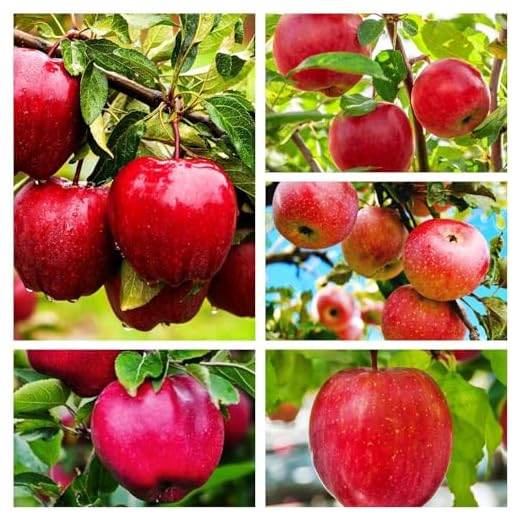


David Boeri Demonstrates Rare Massachusetts Apples
The Legacy of Massachusetts Heirloom Apples
What “Heirloom” Means
Heirloom apples are old trees passed down. They are not trends. They grew with families. They bear names you might not find at the supermarket. You can taste history in a bite. Heirloom means a story in wood and fruit.
How the Land Shaped Them
You feel the coast in the fruit. You feel the hills. Massachusetts has salt air, hard winters, and late springs. Orchards on ridges escaped frost. Low spots froze. Farmers picked the trees that survived. Those trees kept genes for cold hardiness, flavor, and long storage. A Roxbury Russet that thrived near Boston tells a different story than a tree from the Berkshires.
Why You Should Care
These apples hold more than taste. They carry local resilience. They hold ciders, pies, and heirloom recipes. They link neighbors. A single tree can offer scion wood for dozens more. You conserve variety when you graft a heirloom. You protect local food heritage when you plant one.
How to Spot and Start One
Look at the fruit. Heirlooms are often uneven. They have russeting, odd shapes, and rich scents. Ask orchardists for origin stories. Take scion wood in winter. Graft to a hardy rootstock. Buy from small nurseries when you can.
You can start with one tree. You can swap scion wood with a neighbor. You can keep the story going with simple work and steady care.
Meet Bear Swamp Orchard: Trees with a Story
First Steps: Entering the Trees
You walk in. The air smells of earth and green apple. The trees stand like old friends. Their trunks are furrowed. Their limbs spread wide. You move down a row and you see grafts, tags, and patched bark. You hear a scion wood swap story from the farmer. You feel that this place keeps time.
Soil, Rows, and the Old Ways
Bear Swamp sits on deep, loamy glacial soil. Drainage is good. Summers warm enough. Winters hard enough to test a tree. The orchard uses mixed-age blocks. Old standards stand beside younger trees. You see open centers, not tight spindle systems. That gives light to fruit and room to work.
Saving Varieties: Graft and Scion
They graft in winter. They take scion wood from the best bearer. They bench-graft and bud in spring. They wrap unions and mark the year. They store scions cold and moist. They trade wood with neighbors. They name trees with old family names and keep the tags.
What You’ll See on a Visit
You will find labeled trees. You will find a small workshop with grafting tools. You may watch a grower splice a scion to rootstock. You can ask for scion stems. You can taste apples that never reached the store. The farm stand will have crates of odd shapes and strong smells.
How These Trees Differ
They carry variety names that mean local history. They grow on full and semi-vigorous rootstock. They are pruned for shape, not machine harvest. You get wood with story. You get fruit with memory. Next, you will meet the varieties that live here and at Brandy Farm.
Notable Varieties at Bear Swamp and Brandy Farm
Roxbury Russet
Small to medium. Rough, brown skin. Firm, yellow flesh. Rich apple perfume.Taste: nutty, sweet, lively acid.
Baldwin
Round and bold. Red streaks over yellow. Dense flesh. Spicy scent.Taste: sharp, juicy, classic tart.
Northern Spy
Large. Conical. Green with red flush. Crisp, firm flesh. Earthy aroma.Taste: tart, balanced, full.
Spitzenburg
Oblong. Deep red. Fine-grained flesh. Perfumed, floral scent.Taste: rich, sharp, complex.
Kingston Black
Small and dark. Tough skin. Dense, tannic flesh. Farmy scent.Taste: bitter, tannic, tight acid.
Ashmead’s Kernel
Knobby and russeted. Sharp perfume. Fine, crisp flesh.Taste: tangy, nutty, highly aromatic.
Tips to pick: choose firm fruit for storage. Pick high-acid types for cider. Pick sweet, aromatic ones to eat now.
Tasting Notes and Uses: How to Cook and Eat Heirlooms
Taste the parts: sugar, acid, tannin
You pick one. You bite. Taste the first strike. Sugar feels sweet. Acid lifts your tongue. Tannin dries the mouth. Say it out loud: sweet, bright, dry. That is all you need. Smell the peel. Smell again after you bite. The scent tells you if the apple will sing in a salad or stand up in a pie.
How to judge texture and use
Firm fruit holds shape in heat. Soft fruit breaks to sauce. Bitter and tannic fruit make strong cider. High acid gives lift to baked goods. When you buy, press with your thumb. Firm means bake. Yielding means sauce.

Quick recipes that show the apple
Simple pairings
Taste like a pro — no jargon
Storage tips
Caring for Heirloom Trees: Simple Tips for Growers
Planting: where and how
Pick a sunny spot. Six to eight hours of sun. Good air flow. Avoid low frost pockets. Dig a hole twice the root ball. Spread roots. Backfill with native soil. Firm gently. Water well. Plant after the last hard frost (late April–May in many parts of Massachusetts).
Pruning: cut with intent
Prune in late winter. Cut dead wood first. Open the center. Thin crowded branches. Shorten long shoots to a bud. Aim for a balanced scaffold. One rule: remove one in three branches that cross or rub.

Pests and disease: habits that help
Clean fallen leaves each fall. They hide fungal spores. Thin fruit to stop rot. Use sticky bands for winter moths. Try pheromone traps for codling moth. For scab, a single copper or lime-sulfur spray in dormancy helps. Small trees respond fast to good hygiene.
Graft care: keep the union healthy
Keep graft unions above soil. Tie young leaders to stakes. Remove suckers from below the graft. If a graft fails, graft again in late winter or bud in summer. Heal cuts with clean tools. Replace failing grafts early.
Soil and water: plain rules
Test soil once. A simple home kit tells pH and nutrients. Add compost, not bags of fertilizer. Water deeply once a week in dry spells. Mulch three inches away from the trunk. Mulch keeps roots cool and soil moist.
Low-cost fruit protection
Net small trees with bird netting over a simple hoop. Bag individual fruit with paper bags. Use plastic collars to stop voles. A length of old sock can shield young grafts from sunscald.
With these steps, you give old varieties a chance to thrive. Next, you’ll learn where to find grafts, orchards, and the right trees to buy.
Where to Find and Buy: Markets, Orchards, and Tours
Find the orchards
Look up Bear Swamp Orchard and Brandy Farm on Google Maps. Call before you go. Ask if they have fresh picks or grafts for sale. Drive times in Massachusetts are short. You can be tasting in an hour from many towns. Bring a cooler. Bring cash—some stands still prefer it.
Buy at markets and stands
Go to farmers’ markets in the morning. Look for small bins labeled with old names. Ask vendors to cut you a slice to try. Buy what smells bright. Feel for firmness. Pack apples in single layers so they don’t bruise.
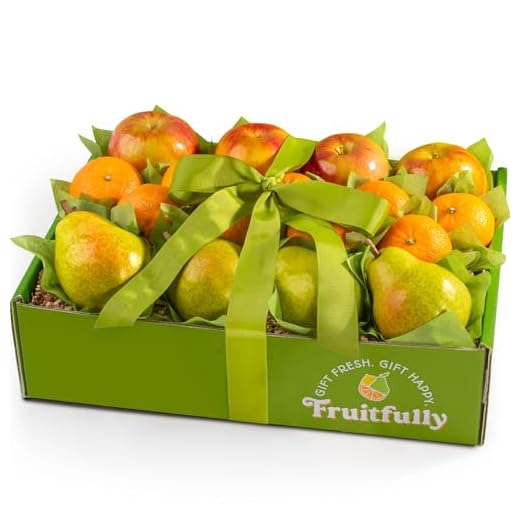
Spotting true heirlooms
True heirlooms often wear scars. They ask for no perfect look. Signs to watch:
What to ask a grower
Ask five simple things:
A good grower will answer plainly.
Tours and events that matter
Look for grafting demos, pruning clinics, and apple tastings. County fairs and local extension events list schedules online. Book small tours early. Many orchards run weekend walks in fall. You will learn the trees’ names and histories by walking the rows.
You now have the tools to find, taste, and bring home real Massachusetts heirlooms. Next, learn how to keep them—both the fruit and the trees—alive for the next bite.
Keep the Taste and the Trees
You now know where to look. You know what to taste. You know how to care. These apples are part of your land and your table. Keep them. Share them. Visit Bear Swamp and Brandy Farm. Taste the old names. Save them if you can.
The work is small. The reward is large. Take a graft. Make pie. Teach a child. Talk with a grower. Join a tour. Buy a bushel. Plant a tree. In time you will eat history. That is reward enough.




Heirloom apples? I just want the pie. 🍏🥧 Seriously though, great read. The section on ‘keep the taste and the trees’ made me feel 100% less lazy about planting one of those Golden Delicious live trees.
Huge shoutout to the tasting notes section — the description of Roxbury Russet vs McIntosh was spot on. I made a small batch of hard cider with the Must Bee One-Gallon Hard Cider Kit and it paired surprisingly well with a semi-tart heirloom blend.
Also: the Fruitfully Gift Box idea is pure marketing genius for holiday orchard tours. I laughed at the line about “Keep the Taste and the Trees” — poetic but true. 😂
Is the Heirloom Apples book worth buying if you already grow a few varieties? Asking before I drop $$.
One tip: keep a log of each batch’s apple varieties and process so you can replicate a favorite blend. Makes future batches easier!
If you already grow a few and want deeper history plus variety identification, the book is worth it. It also has recipes and care tips that differ by cultivar.
Book = yes. Also check local libraries — sometimes they have it if you want to preview first.
Yes — I had the book and it saved me from grafting two incompatible varieties. Also lots of old photos, which I loved.
If you’re into cidermaking, the Must Bee kit is a fun starter. It’s small but gives you a feel for the fermentation process without committing tons of fruit. Try mixing apple types for more complex flavor.
Really appreciated the simple tips for growers. I’m a newbie and the step-by-step on winter care + pruning schedule was clear and not intimidating.
One tiny typo in the ‘Tasting Notes’ section (i think a missing comma) but overall super helpful. Ordered the Fiskars Bypass Pruning Shears after reading — they arrived quickly and feel sturdy. Also trying to decide between starting from the 3-foot live tree or seeds — seeds seem cheaper but patience is a virtue I don’t always have lol.
Also consider grafting a scion from a known variety onto a rootstock if you want both speed and predictable fruit — the Heirloom Apples book covers it well.
If you want faster fruit, go with the 3-foot tree. Seeds are a long-term project but fun if you’re into breeding/experimenting.
Thanks for the heads-up on the typo — we’ll patch that. Planting from a live tree gives you a headstart; seeds are fun but unpredictable (and may not be true-to-type).
Small thing: the article mentioned both hard cider kits — Craft a Brew and Must Bee. Are they interchangeable? I ordered Must Bee but now wondering if I should’ve gotten Craft a Brew instead. Anyone compare them side-by-side?
They’re mostly similar for beginners. Craft a Brew tends to have slightly more starter supplies. But Must Bee’s kit is solid for a first one-gallon ferment. You’ll be fine!
Both kits are beginner-friendly. If you want more control over flavor, Craft a Brew might give extra options. Must Bee is great if you want a straightforward setup.
I appreciated the ‘Caring for Heirloom Trees’ tips — super practical stuff. I’ve been saving scions and grafting for 3 years now; the Fiskars shears + a small saw combo = my pruning dream team. Also bought the 100 Red Apple Heirloom Seeds pack last year as a long-shot experiment (seedlings are slow but fun).
For anyone considering cider: the Craft a Brew Hard Cider Starter Kit vs Must Bee — they’re both approachable, but Craft a Brew comes with better clarifying agents in my experience. Not sponsored lol.
Random: does anyone else feel guilty eating an heirloom apple because it feels like eating history? 😅
Haha guilty here. But then I remember the trees produce so much fruit — share with neighbors and everyone wins.
Totally relate to the ‘eating history’ feeling. I actually label jars of preserves with the apple variety and year now. Nerdy but nice.
If you ever have too much fruit, check local food banks — they’d often accept fruit donations (call ahead).
Re: kits — Craft a Brew offered a support forum that helped when my fermentation stalled. Worth the extra $ imo.
We try to encourage sharing and preserving — grafting and donating scions/seeds helps keep varieties alive. Many orchards run scion exchange events in winter.
Also fun to press them for vinegar if you don’t want cider — less equipment required and still delicious.
Great article. Quick constructive note: could use a clearer map or list of where Bear Swamp and Brandy Farm hold tours — I drove halfway before realizing they were seasonal. Maybe link to the orchards’ pages next time?
Thanks Lily — good point. We’ll add clearer tour dates and direct links to each orchard’s site in an update soon.
Loved the ‘Where to Find and Buy’ tips. I took my niece to a local market mentioned in the piece and we got a Fruitfully Gift Box with a seasonal trio — she was delighted. Also, pro tip: bring small cash for farmers who don’t take cards.
Anyone else have favorite Massachusetts markets for heirloom apples? I’m building a weekend list.
Check out the Somerville farmers’ market in fall — they often have rare varieties from small growers.
Porter Square Market sometimes has old varieties. Also, call ahead if you’re hunting something specific like Roxbury Russet.
If you’re near the coast, Marblehead has a tiny Sunday market with heirlooms. It’s worth the drive!
Thanks Jess — glad the gift box was a hit! We recommend checking Bear Swamp’s farmer’s market page and Brandy Farm’s seasonal pop-ups. Many local markets rotate their stock, so early morning visits usually have the best selection.
Loved the section on Bear Swamp Orchard — that bit about trees with a story gave me chills. I bookmarked the Heirloom Apples book mentioned (def need more pics!) and I’m tempted to get the 100 Red Apple Heirloom Seeds pack this spring.
Also, quick question: has anyone used the Fiskars pruning shears on older heirloom branches? I have a 15-year-old tree and I’m nervous to prune wrong. 😬
P.S. The recipe ideas for pies and ciders were gold. Might try the Craft a Brew Hard Cider Starter Kit after harvest.
I used Fiskars on my 12-yr-old tree last year. Honestly, take it slow and make clean cuts. If the branch is bigger than 1″ I switched to a small pruning saw. Also, the Craft a Brew kit was easy — 2 batches and I’m hooked.
Thanks, Ella — glad the orchard story landed. For older trees, the Fiskars bypass shears are great for small to medium limbs; for larger cuts use loppers or a saw. The Heirloom Apples book has a good pruning chapter too. If you want, bring a photo and we can give more specific tips!
Agree with both — pics help. And FYI the Golden Delicious live apple tree I bought arrived healthy. Put it in a spot with full sun and good drainage. 🪴
Anyone tried the Golden Delicious Live Apple Tree, 3-Foot from Amazon mentioned in the article? I’m thinking of ordering one but worried about shipping stress on the roots.