

Start Here: Why the Right Mixer Matters
You want a tool that lasts. You want work done with little fuss. You want a mixer that fits your life. This guide tells you how. It cuts through hype. It names tradeoffs. It helps you buy once and buy well.
You will learn the types and the tasks. You will see what features matter. You will match a model to your kitchen and your budget. You will learn simple tests to try before you pay. You will learn care that keeps the machine going.
Read with calm. Choose with calm. Buy with care. Save money. Save time. Make food you love. Know when to pay more and when to save. Start now.


Stand Mixer Showdown: Ankarsrum
Types of Mixers and What They Do
You need to know the kinds of mixers. Each one solves a set of kitchen chores. Here is how they differ. Read fast. Decide faster.
Stand mixers
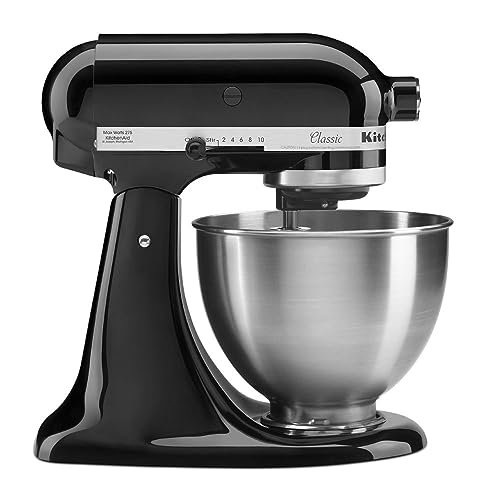
A stand mixer sits on your counter. It holds a bowl. It runs hands-free. It wins at heavy work and long jobs. Think cookies, bread dough, and large batters. A good example is the KitchenAid Artisan for home bakers. A Bosch or Kenwood can handle larger doughs.
Best jobs:
Limits:
Tip: match bowl size to your usual batch. A 4–5 qt bowl suits most families.
Hand mixers
You hold them. They are light and fast. You use them for small bowls and quick tasks. They tuck in a drawer. The Hamilton Beach 6-Speed Electric Hand Mixer with Case fits this slot well for a low price and easy storage.
Best jobs:
Limits:
Tip: use beaters for batters and a whisk attachment for egg whites.
Immersion (stick) mixers
You plunge them into pots and pans. They puree soups, blend sauces, and emulsify dressings. They save you from transferring hot liquids.
Best jobs:
Limits:
Real-world note: chefs keep one in a busy kitchen for fast soup work.
Mini and personal mixers
These are tiny and cheap. They suit small kitchens and one-off tasks. Examples: compact hand mixers or single-serve blenders.
Best jobs:
Limits:
Commercial mixers
Built for hours of use. They come from Hobart or Globe. They handle big batches and heavy dough. They are loud and costly. They belong in bakeries, cafes, and restaurants.
Best jobs:
Limits:
Next you will learn which features—speed, power, attachments, and bowl types—matter most for the tasks you just read about.
Key Features That Matter
You must read beneath the spec sheet. Specs lie by omission. Power tells you what the motor can push. But wattage alone does not tell the whole story. Look where it really counts.
Motor, wattage, and torque
Wattage gives you raw power. Torque tells you how it handles stiff dough. For heavy bread and long kneads, favor higher torque and a sealed motor. If you push a weak motor hard, gears strip or heat builds. I once mixed a dense rye on a low‑torque mixer. The hub slipped. The dough won.
Speeds and controls
You want control. A dial gives you gradual starts. A single switch does not. Slow starts keep flour off your counter. Multiple speeds let you whip, fold, then knead without swapping tools.
Attachments and gears
Attachments widen the mixer’s life. Look for metal hubs and robust gears. Planetary action mixes more evenly. Ask if extra tools (pasta, grinder, spiralizer) fit the motor and hub. Cheap plastic hubs will fail on tough jobs.
Bowl size, shape, and material
Bowl size ties to batch size. Think practical. If you bake a lot, choose a larger bowl. A stainless steel bowl lasts longer than painted metal. Tall bowls help whipping. Wide bowls help folding.
Build, weight, and venting
Heavier mixers sit still. Light mixers walk across the counter. Die‑cast metal lasts. Plastic saves weight but wears faster. Watch vent placement. Vents that blow toward the counter spray heat and flour. Vents that channel heat away give quieter, cooler runs.
Cleaning and durability
Sealed motors keep crumbs and grease out. Dishwasher‑safe beaters and bowls save time. Check which parts you can detach. Fewer nooks means faster cleanups.
Warranty and service
A long warranty cuts risk. Local service options matter. A good warranty tells you the maker trusts the machine.
How to rank features for your needs
Decide what you bake most. Then weight the features above to match your kitchen life.
Match a Mixer to Your Needs
Small kitchen or flat
You bake at a tiny counter. You need a mixer that fits your space and life. Pick something compact. Pick a model that stores upright or tucks the cord away.
You bake for a crowd
You make trays for potlucks. You need endurance and a large bowl. A heavy, full‑size stand mixer keeps pace.
You make bread
You want dense, chewy loaves. You need power and a proper hook. Look for metal gears and high torque.
You cook soups and purées
You blend hot pots often. An immersion tool wins here. It slips in the pot and cleans fast.
You have little storage
You must hide it quickly. Choose a tilt‑head that tucks under cabinets or a bowl‑lift that stores neatly. Cords that wrap are a plus.
You want tools that last
You want a mixer that keeps working for years. Pick serviceable parts. Pick a simple design you can fix.
Short list you can test
Try these simple checks in store or from reviews before you buy.
Use this checklist to narrow to two models. Then test them at home, if you can.
Buying Guide and Budgeting
Set your budget and know what it buys
Decide what you can spend. Then match needs to price.
Prices change. Shop sales and track refurbished units. A used pro mixer can outlive two cheap ones.
Where to buy and try
Buy where you can test or return. Local stores and some showrooms let you run machines. Online, check generous return windows.
Try to hear it. Try to feel it. Bring a short checklist for in‑store tests. If you must buy online, read reviews that talk about motor life and repairs, not just color.
Warranty, parts, and long‑term costs
Read the fine print. Look for years on the motor. Check if spare gears, bowls, and beaters are sold. Cheap attachments can strip gears. That repair often costs more than the mixer.
Think beyond price: electricity use, repair costs, and resale. A heavy, well‑built mixer keeps value. A flimsy one ends up in landfill.
Quick checklist to take to the store
You want a mixer that starts steady. Swaps tools fast. Stays quiet enough for your kitchen.
Care, Use, and Simple Tests to Try
Basic care you must do
Clean parts right after use. Do not let batter dry on beaters. Rinse bowls, blades, and seals. Wipe the head and base with a damp cloth. Keep motors dry. Keep vents clear. Store attachments in a box or drawer so they do not knock and chip. Tighten screws and check rubber seals now and then. Replace worn gaskets.
Quick maintenance checklist

Use it the right way
Don’t overload the bowl. Too much dough stalls motors. Start on low speed. Raise speed once ingredients move. Use paddle for batter, hook for dough, whisk for air. Stop and scrape the bowl. Let the motor rest if you mix long. A short break saves the motor.
Troubleshoot common faults
If it hums but won’t turn, the motor may be stalled or the belt slipped. Turn off. Unplug. Check the coupling and belt. If it slips under load, reduce batch size. If it smells like burning, stop at once. A hot motor needs rest. Persistent grinding or metal-on-metal sound means gears or bearings need service.
When to seek repair
Seek pro help if the motor smokes, sparks, or won’t run after basic checks. Get repairs for grinding noises that don’t stop. Replace mixers when repairs cost more than two-thirds of a new, similar model.
Three simple tests to try right away
Whip cream. Use 1–2 cups heavy cream on medium-high. You should get stiff peaks in 2–4 minutes. Listen for a steady hum and quick whisk action.Make cookie dough. Mix a standard cookie recipe on medium. Feel the torque. The bowl should move the batter toward the tool. No slipping, no sudden stalls.Knead small dough. Use 300–400 g flour + water. Run the hook 3–5 minutes. Check heat at the base. The motor should stay steady. A slow motor or long heat rise flags weak power.
These tests show strength, sound, and heat. They tell you if the mixer will last. Move on to the Conclusion to lock in your choice.
Find Your Perfect Match
You now know the types and the tradeoffs. You can match a mixer to your life. Make a shortlist of two or three. Test each one. Turn them on. Feel the weight. Check the speed and sound. Try dough, batter, and a quick sauce. Compare results. Think of space, power, and budget.
Buy the one that fits. Use it as the manual says. Clean it after each use. Store it dry. Replace worn parts. A well‑chosen mixer will work hard. It will repay you with years of steady service. Trust your tests and your hands always.





Neutral take: the article covers basics well, but I wanted a quick TL;DR chart comparing motor watts, bowl size, and price. I’m visual and lazy. 😅
Anyone else want a cheat-sheet?
Agreed — charts make decisions faster. Not everyone reads the whole article.
Yes please! Even a short pros/cons list would help.
Good request — a comparison chart would be a great addition for readers who want a quick snapshot. We’ll work on adding that.
I love that the article suggested simple tests. Did the ‘speed creep’ test on my KitchenAid Artisan and found that second speed is perfect for cream cheese frosting. The layering of speed options is underrated!
Nice! Speed 2 is my jam for many things too. Saves time and mess.
Thanks for the specific speed tip — readers will appreciate knowing practical settings for common tasks like frosting.
Long comment incoming — cuz I had a saga with mixers and maybe someone will learn from it.
I started with a cheap hand mixer years ago. It overheated after one holiday season (classic). Upgraded to the KitchenAid Classic 4.5-Quart and it felt like a different appliance class. Then I tried a cheap stand labeled “5.5-Quart 600W die-cast” clone from another brand — powerwise it was nice, but build quality felt cheap and it squeaked after a month. My takeaway: brand reputation + service matters. KitchenAid might cost more up front but resale and longevity have saved me in the long run. Also, ergonomics — tilt-head vs bowl-lift — matter for frequent users.
PS: Article helped frame these decisions nicely. Thx!
Squeaks are the worst. Grease the gears? Or nah, warranty first.
Thanks for the detailed story, Zoe — real-world comparisons like this are gold. We’ll consider adding longevity/resale notes in the Buying Guide.
Resale is a good point. I sold my lightly used Classic and got a decent chunk back when upgrading.
Funny thought: mixers are basically kitchen flex equipment. You either bake or you hoard attachments. 🤣
Seriously though, the article was balanced. One nitpick: price ranges could be more precise (I saw big sales on KitchenAid Artisan last month — timing matters).
And don’t forget refurbished options from the official store — good deals exist there too.
Watch Amazon Prime Day or holiday sales. Artisan often drops significantly during big sale events.
Ha, true — attachment hoarding is real. We’ll try to include typical price windows plus notes about sale cycles to help timing purchases.
Great roundup — loved the “Match a Mixer to Your Needs” section. I was stuck between the KitchenAid Classic 4.5-Quart and the 5.5-Quart 600W die-cast. Ended up going with the die-cast for power, and it handles bread dough MUCH better. Worth the extra heft imo.
Good tip — I’m mostly baking cookies, so maybe the Classic would be enough for me!
Thanks for sharing your experience, Emily — really helpful for readers debating power vs. brand. Did you notice any extra noise or vibration with the die-cast model?
Noise is a thing with the heavier motors, yep. Mine hums a bit at high speed but nothing terrible. Dough is the payoff.
LOL, the “Care, Use, and Simple Tests to Try” section saved me. I had been overmixing everything for years. Did the ribbon-test from the article and realized I was ruining cakes. 🎂
Two things: the KitchenAid Artisan 5-Quart with pouring shield — is that shield worth it or just marketing?
If you make frosting often, totally worth it. For plain cookie dough? Maybe less critical.
Nice to hear the tests helped! The pouring shield really prevents splatter and makes adding dry ingredients easier. Not mandatory, but handy for messy batters.
I use the pouring shield on the Artisan and it’s a life-saver when making chocolate batters. Less cleanup.
I’m on a strict budget and the article’s Buying Guide helped a lot. The Hamilton Beach 6-Speed hand mixer seems like the no-BS option for occasional bakers. Anyone tried both the hand mixer and the Hamilton Beach 4-Quart stand? Wondering if the stand is worth the extra cash.
I have the Hamilton Beach 4-Quart stand — it’s great for small batches and super compact. If you rarely bake, the hand mixer is fine. Stand is hands-free tho, which matters when you’re multitasking.
Stand mixers also tend to be more durable for repeated use. If you’re planning to bake weekly, invest in the stand.
Good comparison point. For tight budgets, the hand mixer offers portability and storage benefits. The stand gives you consistency and higher capacity for things like cake batters.
I really appreciated the ‘Key Features That Matter’ breakdown. But I feel like attachment versatility wasn’t emphasized enough — tilt head vs bowl lift, and what attachment ecosystems exist for each. For example, KitchenAid has a whole ecosystem of pasta makers, grinders, etc. That can be a game changer if you like gadgets.
Good point, Greg. We mentioned attachments briefly but could expand on ecosystems in a follow-up. KitchenAid’s ecosystem is indeed extensive compared to many budget brands.
Agree — I bought a used KitchenAid Classic for attachments alone. Saved money and got the pasta roller attachment later. Worth thinking about long-term use.
Anyone else find the Hamilton Beach hand mixer’s case a bit flimsy? The article mentioned the model but not the case quality. Mine arrived with a cracked corner. Still works fine though, just annoying packaging/design oversight.
I had the same issue once. Seller replaced it quickly via Amazon. Worth checking return options!
Thanks for flagging that — we’ll look into adding buyer feedback about packaging and case durability. Did you contact the seller for a replacement?
If it’s functional, you could wrap the case interior with foam or use a different storage method. Not ideal but works.
Quick tip I wish I read sooner: run the simple tests on the article (ribbon test, motor hum, bowl clearance) right in the store if possible. I returned a mixer once because it had too much play in the head — annoying to discover at home.
Also check for spare parts availability. One model I bought had a discontinued attachment — total bummer.
Solid advice — in-store testing can save headaches. We’ll emphasize those practical checks more prominently.
Short and sweet: if you plan to make bread regularly, don’t skimp on motor power and planetary mixing. The 5.5-Quart 600W die-cast handled my sourdough like a champ. Also, clean the dough hook asap or it gets crusty. Trust me.
Right? Let dough dry and it becomes a nightmare. Quick soak + brush does the trick.
Great practical tip on cleaning — we’ll add a note about quick-clean routines in the Care section. Sourdough dough demands power and patience!
Question: for small apartments, which is best? The article’s ‘Find Your Perfect Match’ was helpful but still torn between the Hamilton Beach 4-Quart stand and the KitchenAid Artisan. Space is tight and I also want decent power for occasional bread.
You can also check secondhand for KitchenAid — sometimes you get Artisan models at good prices that fit smaller counters.
If space is the priority, the Hamilton Beach 4-Quart is slimmer and cheaper. But if you want long-term power and attachments, KitchenAid Artisan (if you can fit it) is better.
For apartments, consider storage footprint and weight. If you bake only monthly, a hand mixer might be the best compromise. If weekly and bread is on the menu, go for the Artisan if you can manage the space.
Constructive feedback: the article could mention warranty length and customer service experiences for each product. I recently had to use KitchenAid support and they were surprisingly helpful — replaced a broken tilt hinge quickly.
Yes! Warranty saved me when a cheap mixer died after a year. Always check warranty terms.
Customer service can vary by region too. Call and ask before you buy if you’re unsure.
Great suggestion, Linda. Warranty and after-sales support are important buying considerations — we’ll add a section summarizing that info where possible.