


Start Here: Why a Soda Maker Might Fit Your Life
You want fizz at home. You want control and savings. A soda maker gives both. It cuts trips to the store. It cuts waste and plastic. It gives you choice of fizz, strength, and flavor. This guide shows types, costs, features, flavors, and how to choose and taste.
Read the sections that follow. Learn how each type works. See gas, refills, and running costs. Compare features that matter week to week. Try mixes and recipes. Finish with clear steps to pick the best soda maker for your kitchen and budget.


Top Soda Makers of 2024: How to Pick the Best Model
Why Get a Soda Maker?
Clear wins
You skip lugging crates. You skip crowded aisles. You make fizzy water on demand. You tune the fizz for a brunch mimosa or an afternoon sip. You cut the small waste of single bottles that piles up by the sink.
The trade-offs
A soda maker is not magic. You need CO2 canisters. You need clean bottles and fridge room. You might like the bubbles but dislike the upkeep. High-end metal units cost more up front. Cheap units save money now but may use non-replaceable parts.
Who it fits — and who should wait
If you drink a liter a day, or host often, you win. If you live in a top-floor walk-up and hate hauling cases, you win. If you enjoy experimenting with mixers and cocktails, you win.
If you buy sparkling water only once a month, or you have no space for a bottle, wait. If your tap tastes bad and you don’t want to filter it, wait.
Quick decision steps
- Track how many liters of sparkling you buy in a month.
- Add the cost of those bottles.
- Compare to the machine price plus CO2 refills.
- If the math and the convenience both lean toward you, try one.
Types of Soda Makers and How They Work
Manual lever and press systems
These are the simple units. You fill a bottle. You lock it under a head. You pull a lever or press a valve. Gas rushes in. You count pulls for fizz level. Aarke Carbonator II and older SodaStream manuals feel like this. They are quiet. They are fast. They fit on a small counter.
Button and automated models
You press a button. The machine doses CO2 in fixed shots. Some let you pick soft, medium, or strong. SodaStream Fizzi and One Touch work this way. They are neat for routine use. They add little fuss at parties.
Electric carbonators
These use a motor and pump to inject CO2. You get consistent pressure. They cost more. They can be louder and need an outlet. Use them if you want push-button ease and repeatable results.
High‑pressure and keg setups
This is for heavy users. A full CO2 tank links to a regulator and a keg or manifold. You get long runs of drinks and precise control over PSI. It takes space and upkeep. It also saves money per liter if you fizz a lot.
What parts you’ll handle
Simple user steps
Trade-offs at a glance
Next you’ll look at gas types, refills, and what you’ll pay to keep the fizz flowing.
Gas, Refills, and Running Costs
You must handle CO2
You will deal with a gas cylinder. That is the ongoing cost. You can swap small cartridges. Or you can use larger tanks and a regulator. Some brands let you return empty cylinders and get a full one. Others sell refill adapters so you use a refill shop or a paintball bottle.
How to do the math
Use this simple rule. Take the price you pay for a filled cylinder. Divide by the liters it promises. That gives cost per liter of fizzy water.
Example scenarios:
Run the numbers for your use. Fill in how many liters you drink per week. Multiply to see monthly cost.
Where to refill
Adapters let you refill from larger tanks. They save money. They can void warranties. They need care.
Safety and handling
A quick check of prices and a week of counting how much soda you make will show the true cost. Next you’ll look at the features that matter each week—what saves time and what saves money.
Features That Matter Week to Week
You want a machine that fits your life. You want parts that last. You want cleaning to be quick. The right features change daily use more than price alone.
Build and durability
Choose steel or thick ABS plastic. Steel frames feel solid. Plastic saves weight and cash. Check seams and where the bottle locks in. A loose latch will annoy you every time.
Bottle type and lock
Look for bottles that lock tight and have a clear fill line. PET bottles are light and safe. Glass gives a nicer feel but needs special models. Swap bottles? Check brand fit and replaceability.
Ease of fit and controls
You want a bottle that clicks in fast. You want simple buttons or a repeatable push. Manual levers give control. Electric models give speed. Try to test how the bottle seats the first time.
Drip trays and footprint
A removable drip tray saves countertops. A slim base fits small kitchens. If you have limited space, measure height with the bottle in place before you buy.
Spare parts and service
Check cylinder swaps, extra seals, and cap availability. Read warranty terms. A cheap machine can be costly if parts are rare.
Noise and fizz speed
Some models hum and finish fast. Some are nearly silent and take more presses. Aarke and hand-operated units are quiet. SodaStream One Touch is quick but louder. Pick what you can live with at 6 a.m.
Who each feature helps
Next, you’ll pick flavors and recipes that match the machine you choose.
Flavoring, Mixes, and Good Recipes
Basics and ratios
You can love plain fizz. Or you can dress it up. A safe syrup range is 1:5 to 1:8 (syrup : carbonated water). For a 250–300 ml glass, start with 30–50 ml syrup. Taste and cut back. For fresh juice, use 1 part juice to 3–4 parts soda.
When to add flavor
Always carbonate plain, cold water first. Add syrup or juice after fizzing. Syrup before carbonation can foam and spill. Thick cordials sometimes work pre-mix, but only if the maker’s instructions allow.

Simple recipes (per 300 ml glass)
Cut sugar, keep taste
Use acid and aromatics to boost flavor. Add a squeeze of lemon or a few drops of vinegar to mimic brightness. Use concentrated syrups (less volume). Try stevia or monk fruit blends with a small amount of real sugar to round flavor.
Fix flat drinks fast
Chill the drink. Pour into a cold glass over ice. Re-fizz the bottle if your maker allows it (short bursts). Add a squeeze of citrus to wake flavor. If flat after sitting, make fresh soda and mix 50:50 with the old batch.
Storing mixes
Keep commercial syrups in the fridge after opening. Store homemade cordials in sealed glass for up to 6 weeks. Label jars with date. Freeze small portions if you won’t use them fast.
How to Choose the Best Soda Maker for You
Set your priorities
You make a plan. Choose what matters most. Cost. Size. Ease. Taste. Frequency. Storage. Write them down. Small kit for a desk is different from a family workhorse.
Quick buy checklist
Follow these steps when you shop or browse online.

Red flags
Avoid these early. They cost you time and money.
Match by buyer type
Pick a model that fits your life.
Buying script
Ask: “What bottles fit this model? Where do I get refills? Can I test the seal?” Say it calm. Expect clear answers.
When you have your answers, you’re ready to decide. Move on to the Conclusion to make your pick and enjoy the fizz.
Make Your Pick and Enjoy the Fizz
You now know the key points. Weigh cost, ease, and taste. Think of your day. Think of bottles you toss. Pick a model that fits your routine. Check gas options. Check capacity. Check refills. Read simple reviews. Shop with a plan. Buy the one that feels right. Set it up. Make fizz. Taste it. Learn what you like.
Use it each week. Save money. Waste less. Share a glass. Keep it simple. Enjoy the sound of a fresh bubble. Start small. Try cola, citrus, and soda water. Note your favorite. Then make it again.




Neutral take: The article is helpful but felt a little biased toward SodaStream models. The Ninja Thirsti got a short mention — could’ve used a deeper comparison of pros/cons (noise, footprint, drink types).
I own both — Ninja is louder but does more (sodas, slushes), SodaStream is quieter and simpler. If you want variety, go Ninja; for basics, SodaStream.
Thanks, Priya — fair point. We leaned on SodaStream because of market presence and compatibility with many CO2 options, but we’ll add a deeper Ninja comparison in the next edit covering noise, size, and multi-drink features.
A bit skeptical about ‘soda shop’ syrups — taste great but do they have way too much sugar? Any low-sugar alternatives or recipes you’d recommend?
I do half Torani syrup + half sparkling water + fresh lemon — cuts the sugar a lot and still flavorful.
SodaStream sells flavor drops with lower sugar too. Or use a splash of 100% fruit juice as a natural sweetener.
Totally valid. Torani and similar syrups can be sugary. Look for sugar-free syrup lines or use stevia/erythritol-based sweeteners and natural extracts (vanilla, citrus, cola essence). Also try infusions: citrus, herbs, and a touch of maple or honey to taste.
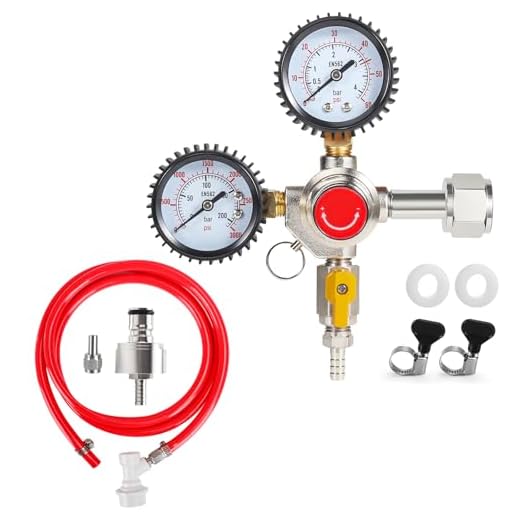
Great overview — helped me decide between SodaStream Terra and the Ninja Thirsti. I like that you included running costs; that’s what sold me. Quick question: how hard is it to swap CO2 cylinders? The HGKEKE kit looks tempting but I’m not sure about compatibility.
Swapping is pretty easy — unscrew, pop the new one in. If you have the QuickConnect cylinders (like the 3-pack pink ones), they’re even faster. Just make sure adapters match your model.
I’ve used the HGKEKE cap with a used cylinder — be careful with leaks the first few times. Test with soapy water.
Glad it helped, Laura! Most SodaStream Terra models use SodaStream-style cylinders or the QuickConnect ones you mentioned. The HGKEKE regulator/carbonation cap is handy if you want to use generic bottles or tanks, but check the thread size. QuickConnect 60L packs usually fit SodaStream adapters.
The section on gas refills was useful but I wish you’d added a quick list of where to swap or refill locally (bike shops, hardware stores?). Anyone got recommendations for refilling vs exchange in the US?
I usually do exchanges at my local grocery — cheaper than refilling for me. But if you have a welding shop nearby, refilling a larger tank and using an adapter can be economical long-term.
Good suggestion — local options vary. Many hardware stores (like Ace) and some outdoor stores offer CO2 refills. Also welding supply shops and beverage distributors. Exchanges are easiest with SodaStream-branded cylinders through Amazon or retailers.
Bike shops do CO2 for tires but they might not refill cylinders for home carbonation systems. Ask first 👍
I’m clumsy, so I need something super simple. Does the SodaStream Terra Starter Kit have any fiddly parts? I hate tools and reading long manuals lol.
I’m clumsy too and Terra has been fine. Just follow one quick setup video and you’re golden.
Terra Starter Kit is designed for ease — click-in bottles and simple press-to-carbonate buttons. Minimal fiddly parts. Ninja Thirsti has more features and steps, so Terra is probably best for you.
I liked the ‘How to Choose’ checklist. Helped me prioritize budget vs features. One note: include a quick bullet for apartment renters about removable cylinder policies in buildings — some landlords have rules.
My landlord asked me to store cylinders outside the apartment once — weird but true. Always better to ask first.
Also consider using SodaStream’s branded exchanges if your building restricts personal tanks — fewer worries.
Good call, Samuel. We’ll add a renter-friendly note — many buildings allow small consumer cylinders but it’s good to check building safety rules or HOA guidelines. When in doubt, use manufacturer exchange programs instead of storing big tanks.
Question for the group: Has anyone had trouble with carbonating flavored water directly (i.e., adding syrup then carbonating)? I always carbonate plain then add flavor — is that the right approach?
Yep, do plain water. When I tried carbonating juice/syrup the first time, it overflowed everywhere 😭
Best practice: always carbonate plain, chilled water first, then add flavor. Carbonating sugary or syrupy liquids can clog mechanisms and produce foaming issues. Good call avoiding direct carbonation of syrup-mix.
Same — big sticky mess. Carbonate then pour slowly into chilled bottle with syrup and stir gently.
Funny little thing: my cat loves the fizz sound. 😂 Seriously though, I appreciated the recipes — the homemade cola came out surprisingly good with the Torani pack. One thing: any tips for getting the fizz to last longer in a bottle?
Love that image 🙂 To keep fizz longer: chill your water and bottles, carbonate cold, and avoid shaking. Transfer to a narrow-neck bottle and store upright in the fridge. The SodaStream slim bottles work well for this.
Also carbonate a little stronger than you think — then mix gently. And drink within 24-48 hours for best pop.
I screw the cap on tight and flip the bottle a couple times (very gently) to mix flavor without losing CO2. Works for me.
LOL I tried to DIY with a soda bottle and a bike pump once. Don’t do that. 😅 Anyway, the HGKEKE CO2 Regulator kit is probably the safer DIY route. Anyone compared cost per liter using refill tanks vs buying SodaStream 3-packs?
I did the math once: if you drink a couple liters a week, refilling a larger tank and using an adapter saved me about 40-60% over time. Exchanges are easiest but pricier per liter.
Agree with Carmen. Also depends on availability of refill points and whether you’re comfortable handling larger tanks.
Oof, bike pump stories aside — using a proper regulator like HGKEKE with a refill tank can drastically lower cost per liter if you carbonate a lot. Initial setup is more expensive but payback is quick versus frequent 60L exchanges.
I’m all about practical stuff. The ‘Features That Matter Week to Week’ section was gold. I want something low-profile for a small kitchen — is Terra Starter Kit worth it or should I wait and save for Ninja Thirsti?
If countertop space is tight and you mostly want basic sparkling water, the SodaStream Terra Starter Kit is a solid buy — compact and reliable. Ninja Thirsti adds more versatility (different drink types) but is bulkier and pricier. Think about how often you’ll make specialty drinks vs plain fizz.
Terra is great for everyday use. I have one in a small apartment and it fits under a cabinet when not used. Ninja is cool but overkill unless you plan on mixes/soda-shop syrups a lot.
Long comment incoming — I wanted to share my multi-month experience because it might help buyers:
I started with a SodaStream Terra because of the lower cost and small footprint. After a few months I added Torani syrups for variety and the 1L twin bottles for convenience. I then experimented with the HGKEKE carbonation cap and a larger refill tank — that reduced my cost per liter a lot. Downsides: more parts to store and slightly more maintenance. Upsides: huge savings and MUCH fewer trips to the store.
If you only want occasional fizz, stick with Terra + 3-pack CO2 exchanges. If you make soda every day, consider the refill path. Also: label your bottles and store upright. Hope that helps!
This mirrors my experience. Refill setup is a bit more involved but pays off. Thanks for writing it out!
Saved your post to show my partner — we need to decide whether to step up to a refill tank. Your cost-savings note is convincing.
Fantastic, Fiona — love the real-world timeline and trade-offs. That’s exactly the kind of user insight readers find valuable. Appreciate you sharing the label/storage tip too.
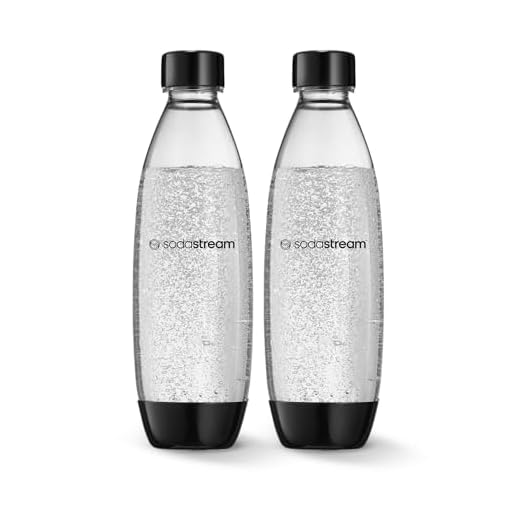
I bought the SodaStream 1L Twin Pack Slim Bottles Black and they’re slick. Compact in the door of my fridge. Only gripe: they’re kinda plastic-y after a while. Anybody tried glass alternatives with the HGKEKE carbonation cap?
Some users do pair glass bottles with a carbonation cap like HGKEKE for DIY setups. It can work but be careful — glass needs to be carbonation-safe (thicker glass) and the cap must match threads and pressure specs. Safety first.
Yep used a thick beer growler + carbonation cap once. It’s great but I was nervous the first few uses. No issues as long as the glass is meant for carbonated drinks.
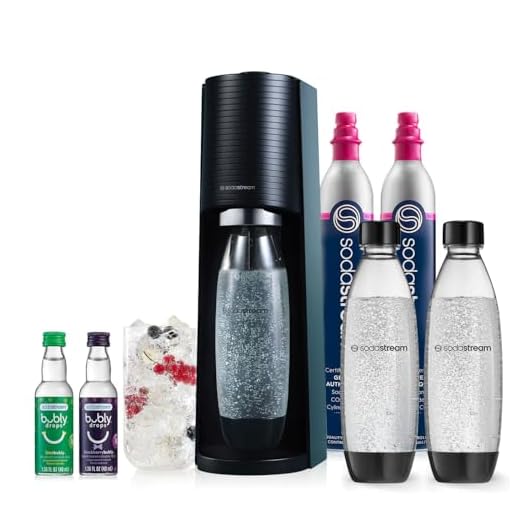
Short and sweet: bought the SodaStream Terra Sparkling Water Maker Value Bundle after reading this. No regrets. Setup was 10 min and the kids loved customizing flavors. Only thing — keep extra bottles on hand.
Awesome to hear, Zoe! Value bundles are great for families. Extra bottles are smart — one for fridge, one for quick refill, plus backup for washing cycles.
Same here. Having the twin pack bottles saved me when one was in the dishwasher. Also, bottle age matters — replace once they get cloudy.
I tried making craft sodas with Torani Soda Shop syrups and it’s addictive. Pro tip: start with half the recommended syrup then adjust. Some flavors are super sweet. Also — cleaning the bottles regularly is a must.
Totally — Torani packs can be sweet out of the bottle. Diluting to taste helps, and using chilled carbonated water keeps the fizz better. Good call on bottle care; follow the manufacturer wash instructions to avoid smell buildup.
Agree. I make a lime-mint soda with half Torani lime + fresh mint and it tastes way cleaner than full syrup. Bottles last longer if you avoid hot water dishwashers unless they’re rated.
Haha, addicted is the word. I’ve got way too many flavor experiments going on. Warning: kids will notice the variety and request weird combos 😆