


Why Test Your Slow Cooker?
You buy a slow cooker to make life easy. You want meals that are safe and full of flavor. But pots wear out. Elements drift. Timers slip. A quick test shows you what works and what fails. It saves you mess and worry.
This guide gives simple checks and clear steps. You will learn how to test heat, seal, and timing. You will run hands‑on trials. You will know when to repair or replace. Follow these tests and cook with confidence.
Start now. A few minutes of testing can save ruined meals, wasted money, and stress.


Sous Vide vs Slow Cooker Pulled Pork: Unexpected Results Explained
Know Your Slow Cooker
Meet the parts
You should know the pot, the lid, the base, the control dial, and any digital board. Look at each piece. Check the pot for chips. Check the lid for a tight rim. Check the base for wobble. Check the cord for fray. A loose dial or sticky button tells you something is off.
Learn the modes
Find the cook modes. High. Low. Keep Warm. Programmable models add timers and probe modes. Learn the cues. On many units, High boils within an hour or two. Low brings a slow simmer. Keep Warm holds food above 140°F. Read the symbols. Watch how lights blink. They tell you what the unit is doing.
Check the manual and specs
Open the manual. Note the wattage and temp ranges. Many 6-quart pots run about 200–300 W on Low and 300–400 W on High. The manual lists care tips. It also lists replaceable parts and warranty steps. Jot the model number. You will need it if you call support.
Quick tests you can do now
Faults you can fix and those you cannot
Loose knobs, frayed cords, or gummed buttons you can often fix or replace. A warped base, cracked ceramic pot, or fried control board means replacement. A lid that won’t seal can ruin stews. A weak element means slow cooks that never reach safe temps.
Now that you know the parts and norms, you are ready to test heat and seal.
Safety First: Check Heat and Seal
Why heat matters
Heat rules slow cooking. Food that sits between 40°F and 140°F sits in the danger zone. Too cool and bacteria grow. Too hot and meat dries and sauces burn. You will measure real temps. You will check the lid. Keep safety first.
Safe target temps
Use a real thermometer
You will test with a probe or instant-read thermometer. Stick the tip to the center of the pot or the thickest part of a piece of meat. Let the cooker run with liquid. Read the stable number.
How to test heat — quick steps
Record times and temps. If Low never passes 165–170°F after two hours, that is a red flag.
Check the lid seal and steam escape
Place the lid and watch. Steam should bead and drip back into the food. A steady plume of steam at one edge means a bad seal. Lift the lid slightly after 30 minutes. Steam should be hot and even. Try the lid in a sink of water. If bubbles sneak out, so will steam.
A friend of mine had a slow cooker that vented at the handle. Her chili dried by hour six. She fixed it by replacing the lid.
Keep notes. With heat and seal verified, you are ready to test timing and settings for consistent results.
Timing and Settings: How to Test for Consistency
Why timers matter
Timers tell you what your cooker really does. Low does not always mean six hours. It can mean eight. You must know. Recipes lie if your pot runs cool or slow. You will time it. You will map it to real temperatures.
Clock tests: step-by-step
Run the pot empty or with two cups of water. Use the same starting temp each time. Write down the clock. Watch how long it takes to hit steady heat.
Use a consistent probe placement. Use the same lid position. Small changes skew results.
Watch Warm mode and auto-switch
Warm mode is not a joke. It should hold food above 140°F. Test Warm like this:
Some cookers cool fast when they switch. Others stay hot. Some click to Warm early. One model might flip at 165°F. Another waits until 180°F. Know which yours does.
Map your cooker to recipes
Make a simple chart. List setting, time to hit 165–175°F, and warm-hold temp. Mark any quirks. Example: “Crock-Pot 6-qt — Low reaches 170°F in 3 hours; keeps Warm at 145°F.” These notes let you trim or add time and avoid undercooked food.
Next, you will run hands-on trials to see these numbers in real dishes.
Hands-On Tests: Six Practical Trials
1. Water spread test
Fill the cooker with two cups of water. Heat on High for 30 minutes. Stir. Probe the center, edge, and under the lid. You want readings within about 10°F of each other. Large gaps mean hot spots or a cool rim.
2. Rice test
Cook one cup white rice with 1½ cups water. Use the setting you would for grains. Start it cold. Check at 45 and 90 minutes. Is the rice dry? Is the bottom scorched? If it dries too fast, lower the time. If it stays wet, add heat or time next cook.
3. Small roast braise
Use a 2–3 lb chuck or shoulder. Brown it first if you want. Add a cup of liquid. Cook Low for 6 hours. Test the center with a fork. It should pull apart without fight. If not, the Low setting may run cool.

4. Soup simmer test
Make a simple broth with vegetables and 4 cups of water. Run on Low and High for one hour each. Watch for a steady simmer. A good slow cooker will hold 175–205°F with tiny bubbles at the edge. Full rolling boils mean the High runs too hot.
5. Lid-seal ice test
After 30 minutes of a hot water run, set one ice cube on the center of the lid. Wait 10–20 minutes. If the cube melts fast or you see steam escaping at seams, the seal is poor. A leaky lid wastes heat and time.
6. Power-reset test
Run a timed cycle. Unplug the unit for one minute. Plug it back in. Note whether the timer resumes, resets, or stays off. This tells you if a power flicker will ruin a long cook.
Write every temp and time in a small notebook. Repeat tests if numbers confuse you. Simple trials give clear answers.
What the Results Mean and What to Do
Read your notes
You wrote numbers. Now read them. If temps vary by more than 10–15°F, the heat is uneven. That points to the element or cracked, warped stoneware. If Low never reaches 165°F for poultry (or 145°F for whole cuts; 160°F for ground meat), stop using it for meats. If Warm mode steadily cooks instead of holding, do not trust it for long holds or food safety. If the timer or power-reset test failed, expect unreliable long cooks.
Fixes you can try
Try the cheap fixes first. They often work.

When to repair or replace
Choose repair when the fault is a part you can buy: lid, gasket, element harness. Contact the maker if it’s under warranty. Replace when the unit shows these signs:
Good, dependable models can save you grief. If you must buy new, look at proven 6‑quart programmable crock-pots or the Hamilton Beach Set ’n Forget line. They heat evenly and have parts you can swap.
Quick checklist
Tips to Get Better Results Every Time
Use the cooker right
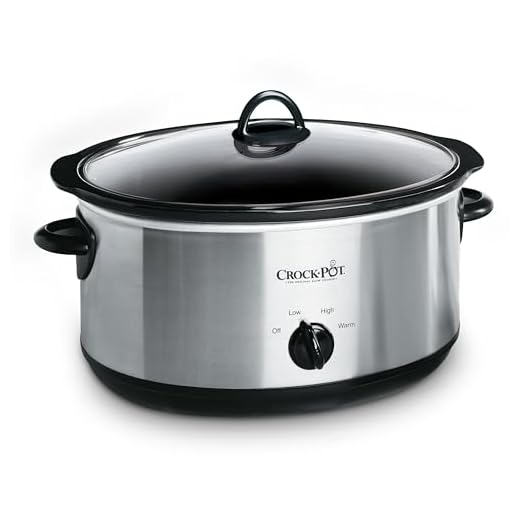
Use the right pot for the job. A 6–7 quart holds a family roast without crowding. Don’t cram food in. Heat must move. If it can’t, the center will lag.
Preheat and brown for depth
Preheat for long roasts. Let the empty cooker run on High for 20–30 minutes before you add the meat. Brown meat first. You get color and flavor. Searing also seals juices and cuts time in the pot. Try a cast-iron pan or the burner if you have one.
Layer smart
Put dense items like potatoes and carrots at the bottom. Place meat on top. Heat rises through. That simple order makes a big change in tenderness and evenness.
Fill level, lid rules, dairy and timing
Do not overfill. Stay two-thirds full for best circulation. Keep the lid on. Every lift drops the temp by 10–20°F. Add dairy at the end. Milk, cream, and cheese break or curdle if they cook too long. Stir these in during the last 20–30 minutes.
Small maintenance moves
Clean the base and vents. Wipe crumbs and grease after every cook. Check the cord for frays. A loose plug can cause strange heat or dead spots. Store the lid on the pot. Do not lock it tightly in a cabinet where it can warp.
Quick rules to follow
Do these things. You will waste less food. You will gain calm and confidence in the slow cooker. Move on to the final checks in the Conclusion.
Test It. Trust It.
You can make your slow cooker safer and more reliable. Run the tests. Read the signs. Fix what you can. Change what you must. Then cook with peace. Your meals will taste better. Your work will be easier.
Trust the proof. Note the heat. Note the seal. Note the timer and dial. Replace parts that fail. Call for help if you must. Keep a log of tests. Repeat after any repair. Use the right setting and jar. Feed it good food. Enjoy the quiet while it cooks. Cook with confidence. Then invite friends and share meals.





This article convinced me to buy a 6-Quart Programmable Cook and Carry Slow Cooker for family dinners. The portability + programmable feature sold me. But can anyone suggest whether to also get the 6-Quart Oval Tempered Glass Slow Cooker Lid as backup? I like having spares when I host.
If you plan to host or travel with it, a spare tempered glass lid is a smart backup — lids can crack in transit, and a tightly fitting lid preserves moisture.
I have a spare lid and it’s saved me once — cracked the main one during cleaning. Worth it IMO.
Also check fit — some lids are specific. Good idea to keep model numbers handy.
Thanks all — ordering the spare now.
Constructive note: the ‘What the Results Mean and What to Do’ section was super helpful, but I’d like more visuals — a temperature chart for common items (chicken, beef roast, pulled pork) mapped to low/medium/high.
Also, the Two-Pack Magnetic Countdown Timers are ridiculously loud — in a good way. My husband complains but I sleep better knowing it’ll wake him up to check the food 😉
You can find internal temp charts online, but having them in-article would be great.
Thanks — adding visual temp charts is on our list. Glad the timers are useful (and sorry to your husband!).
Visual charts would help me too. I’m visual learner.
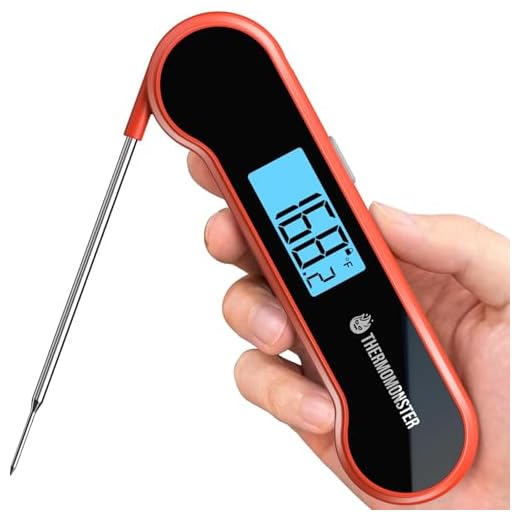
FYI: The 0.5-Second Professional Instant-Read Meat Thermometer with Waterproof claim is true — used it while braising and it handled the steam with no issues. If you’re testing for consistency, faster thermometers mean less heat loss during measurement, which is key.
Can confirm. Also drops into the sink ok if you’re messy like me 😊
@Clara — same, I have butter on everything. The waterproof feature saved my bacon (literally).
Exactly — faster read times reduce the amount of heat escape and give a truer internal temp. Waterproof is nice for steam-heavy tests.
Great article — finally a practical way to stop guessing whether my stew is actually cooked through. I used the Instant-Read Digital Meat Thermometer for Grilling during the hands-on tests and it made checking internal temps so much faster.
One question: when you checked the seal on the 6-Quart Oval Tempered Glass Slow Cooker Lid, did you leave the cooker running empty for a while or test with water? I feel like steam behavior changes the seal performance.
Good question, Claire — we did both. We ran an empty heat-up to check basic sealing and heat distribution, then repeated with a shallow water bath to simulate steam. Water highlights leaks better, so we recommend that for the quick home test.
I always test with water first — leaks show up immediately. If your gasket is old, you’ll see drips or condensation trails pretty quick.
Short and sweet: the hands-on trials made this beginner-friendly. I used the Instant-Read Digital Meat Thermometer and the Two-Pack Magnetic Countdown Timers — total game changers for my weekly meal prep.
Awesome — sounds like you’ve got a good setup now. Timers + thermometer = less guesswork.
Meal prep is so much easier with consistent temps. Enjoy the leftovers!
Long comment incoming — because this topic got me nostalgic and ranty in a good way.
My first slow cooker was a hand-me-down from my mom and it gloriously burned a Christmas ham once because I trusted the dial and not the temp. This article’s ‘Know Your Slow Cooker’ section would’ve saved me a lot of shame. I appreciate the step-by-step trials. I ended up buying a 6-Quart Programmable Cook and Carry Slow Cooker based on the product list here — programmable settings = peace of mind for overnight cooks.
Also, the lid snugness test is underrated. My old lid wobbled and made a mess. The 6-Quart Oval Tempered Glass Slow Cooker Lid you mentioned looks like a sensible upgrade.
Thanks for sharing, Joan — those lived experiences are exactly why we wrote the testing guide. Programmable units really reduce risk for long cooks.
If anyone wants a quick checklist Joan used, DM and I can paste a condensed version here.
Amen to the lid test. A loose lid = more evaporation = longer cook times. Had to relearn that the hard way.
Burned ham veteran here too. Programmable cookers are worth the money — and you can carry them to potlucks!
Funny observation: my family treated the ‘Timing and Settings’ test like a science experiment. We made a chart, taped it to the cooker, and gave each setting a rating. Kids loved the ‘data entry’ part 😂. Practical and oddly fun.
On a serious note: the Two-Pack Magnetic Countdown Timers helped us keep consistent tag-team checks — one person cooks, another times.
Love that — turning it into a family activity is brilliant. Helps teach timing and food safety too.
Kids doing ‘data entry’ = future chefs/scientists. Win-win.
I did the ‘safety first’ heat check as suggested, and it caught a problem — my old slow cooker was way hotter on the bottom than I expected. Appreciate the step-by-step. Also, pro tip: set the Two-Pack Magnetic Countdown Timer for 10 mins before you check so you don’t forget to let the meat rest.
Love that you caught it early. Replacing an old unit is worth it if bottom gets too hot — uneven cooking can be unsafe.
Great tip, Priya — resting is often overlooked. The timers are handy for both cooking and resting periods.
Quick and snarky: why did it take testing my slow cooker to realize ‘low’ means ‘maybe’ and ‘high’ means ‘who knows’? But serious — mapping temp vs time helped me fix recipes. The article’s practical trials are gold.
I named my slow cooker ‘Temperamental Tina’ after doing the tests 😂
Haha — welcome to the club. Mapping is tedious but you’ll thank yourself when a casserole that used to overcook now comes out perfect.
Good name. Mine’s ‘Old Faithful’ ironically.
Tried the timing test on my 7-Quart Oval Manual Slow Cooker for Families and wow, low was more like medium. The tips about checking actual temp vs dial settings saved me a roast disaster. Also laughed at the ‘Test It. Trust It.’ line — feels like slow cooker motivational speaking 😂
Ha — glad you liked that line. Manual dials are so inconsistent; that’s why we suggest using a reliable instant-read thermometer (like the 0.5-Second Professional Instant-Read Meat Thermometer) to map your cooker’s settings.
If you’re getting high temps on low, try placing a heat diffuser or a layer of aluminum under the pot — not perfect but can help.
Same here — my grandma’s old crock runs HOT on low. Mapping helped me adjust cook times for her recipes.
Not convinced the Backlit Motion-Sensing Instant-Read Kitchen Thermometer for BBQ is worth it unless you grill a lot. For slow cooking tests, I found the basic Instant-Read Digital one did the trick. But the motion-sensing backlight is neat if you check temps in low light.
I have small kids; the motion-sensing feature is great at 5am when I sneak into the kitchen without turning on lights 😂
Fair point, Harold. The backlit/motion-sensing models are convenience upgrades rather than must-haves for slow cooker testing. Choose what fits your usual cooking routine.
If you already own a decent instant-read, no need to upgrade. But I used the motion-sensing one for BBQ and loved it.
Policy/constructive: the article mentions several products, which is useful, but I’d like a quick ‘budget friendly vs premium’ note for each thermometer and slow cooker model. That would help those on a budget decide which tests they can do without buying top-tier gear.
Overall, good piece though — practical and actionable.
Thanks for the feedback, Hannah. A budget vs premium breakdown is a great suggestion — we’ll add a short comparison in the next revision.
Agree — I bought a mid-tier thermometer and it’s been fine for home testing.
Thanks — helpful to hear others’ experiences.
Neutral take: the article is thorough, but felt a bit long for my attention span. I skimmed to ‘Hands-On Tests’ and loved the six trials. The Two-Pack Magnetic Countdown Timers with Loud Alarm are a life-saver when I’m juggling kids and dinner.
Minor nit: could use a printable checklist for each test step (heat, seal, timing, etc.).
Agree on the checklist. I made my own from the article and taped it to the fridge — helps keep tests consistent.
Same — I prefer step-by-step cards. Also, the magnetic timers are tiny but LOUD. Perfect for me.
Thanks, Leah — printable checklist is a great idea. We’ll consider adding a downloadable PDF with the next update.
I appreciate the focus on safety. The ‘Check Heat and Seal’ test stopped me from using a half-broken lid that leaked steam. Also, shoutout to slow cooker lids — who knew they had such an impact? The 6-Quart Oval Tempered Glass Slow Cooker Lid seems worth it if your original cracked.
Agreed — lids are often afterthoughts but can change the whole cooking profile. Thanks for pointing that out.
Ha, glad someone understands my lid obsession.
Lids are everything. Replaced mine and my chili didn’t reduce into charcoal anymore.
Skeptical tone: are these tests really necessary if you only cook soups and veggies in your slow cooker? I mostly do vegetarian stews — is the risk lower? Curious if anyone else skips the tests.
I mostly do vegetable dishes and still ran a couple of tests. Found my cooker runs hotter than I thought — now no more mushy carrots!
Thanks — I’ll at least check the temp next time.
Good point, Carlos. If you’re only making veg-based stews, food safety risk is lower than with meats, but testing for even heat and lid seal still matters for texture and timing. A quick temperature check once will help calibrate your recipes.