

Fresh Produce, Less Waste
You can KEEP produce fresh longer. Use humidity bags step by step. They cut waste. They save money. They lock in taste. Read on for simple, clear steps you can use today, right now, with ease and enjoy real flavor.
What You Need
You need:

Mastering Moisture Absorber Bags: A Quick Guide by Clevast
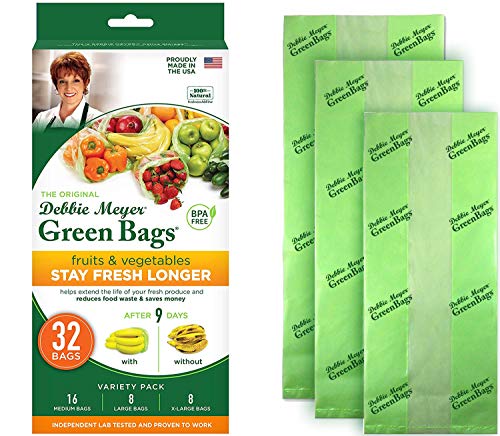
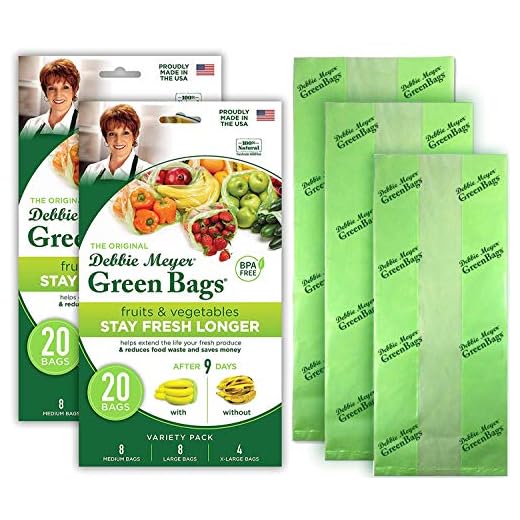
Pick the Right Humidity Bag
One bag can double the life of your greens — which one will you pick?Choose a bag that matches the crop.
Use high-humidity bags for leafy greens.
Pack lettuce, spinach, and cilantro in high-humidity bags.
Use low-humidity bags for fruits that rot from damp.
Store berries, tomatoes, and stone fruit in low-humidity bags.
Check labels for “high” or “low” humidity or for vent options.
Pick a size that holds items without squashing them.
Buy a mix if you keep many crops on hand.
Set yourself up to win with the right bag choices.

Sort and Inspect Your Produce
A bad apple spoils the bushel — will you let one ruin the lot?Sort at once. Separate bruised fruit. Pull out soft spots. Cut away rot. Keep ripe items for now. Move firm ones to long storage. Group like with like. Sorting lowers spoilage. It makes humidity bags work better. You save time and food.
If a peach has a bruise, set it aside to eat tonight. If apples show a spot, cut it out and store the rest.
Prep Items for Storage
Wash or dry? The right prep can add days. Which will you choose?Wash berries only if you will eat them soon. Rinse gently under cold water.
Dry greens fully. Use a salad spinner or pat leaves with a towel.
Pat herbs and greens dry. Leave herb stems intact; stems hold water and flavor.
Trim stems and tops on carrots, beets, and strawberries. Cut away bruises.
Avoid washing mushrooms. Brush or wipe them with a damp cloth.
Layer a paper towel in the humidity bag to catch excess wet. Replace the towel when damp.
Make small moves. They reward you with longer life for your food.

Adjust Bag Settings and Fill
Tiny vents, big results — learn the tweak that keeps crispness.Set vents for the crop. Open vents for fruit that molds in damp air. Close vents for lettuce and kale to hold crispness.
Open vents for berries, peaches, and plums. Close vents for lettuce, kale, and spinach.
Avoid overpacking. Leave room for air to move. Seal the bag well to hold the right humidity. Label the bag with the date and contents. Check the first day to see if the bag breathes or collects water. Adjust vents if you see droplets or soft spots. Keep the right vent and fill and your food will stay firm.

Place in Fridge Smartly
Where you put the bag matters. Treat your fridge like a map.Place greens in the crisper set to high humidity. Put spinach or lettuce in the drawer. Seal the bag. Keep them flat.
Put fruit where air moves less. Slide apples or pears onto a middle shelf at the rear. Keep berries on a low shelf away from fan blasts.
Keep bags off the coldest shelf if you fear freezing. Do not crowd. Let cold air circulate around each bag.
Check the fridge temperature. Aim for steady cold near 32–40°F (0–4°C). A steady spot keeps texture and taste.

Check, Rotate, and Refresh
A five-minute check each few days beats a week of waste. Will you make it a habit?Check your bags every two to three days. Open a bag. Look for soft spots, slime, or mold.
Remove any item that shows rot. Toss it. Pull a bad strawberry and rinse the rest to stop spread.
Change the paper towel if wet. Replace it with a dry one.
Re-seal the bag after you open it. Squeeze out excess air. Write the date on the bag with a marker.
Use older items first. Move the older bag to the front of the shelf.
Note which produce lasts and which fails. Jot a quick note or mark the bag. Learn and tweak your habits to save money.

Keep It Simple. Keep It Fresh.
Use the right bag. Prep with care. Label and check. Small habits keep produce crisp. You cut waste. You eat better. Try this routine today. Share your results so others learn and inspire friends to start now.



I have sensory issues so the ‘check, rotate, and refresh’ step is slightly stressful — anything to make it less frequent? Like, can certain items be pre-treated to last longer?
Good question. For less frequent checks: store long-lasting items (carrots, beets, apples in low temp/low humidity) and prep leafy greens by drying well and using slightly higher humidity. Vacuum-sealed options also reduce check frequency but need different handling.
If it helps, set a weekly phone reminder — I only need one glance and then I know it’s done. Less anxiety that way.
Super helpful guide — I especially liked the part about adjusting the bag settings. Took me forever to realize bananas are low-humidity and cucumbers like it the other way around. Quick tip: label your bags with the date so you don’t forget what’s inside. 👍
Great tip, James — labeling really saves you from those mystery bags in the back of the fridge. Glad the humidity tip helped!
Totally agree. Do you use masking tape or printable labels?
Yes! I started date-labeling and it’s a game changer. Also helps when you have kids who ‘reorganize’ the fridge 😂
Loved the ‘rotate and refresh’ reminder. I always forget to check the produce drawer until things get weird-smelling. 😬
You’re not alone, Ava — a weekly quick-check helps more than you’d think.
One thing that helped me: keep a small notebook on the fridge and jot down what you put in each bag and the setting. Sounds old-school but it’s saved me from throwing out perfectly fine produce because I forgot the content. Also, my partner reads it and knows not to snack on my experimental herbs 😂
Haha that made me laugh. My partner is the culprit in our house too.
I love the analog approach — the notebook idea is charming and effective. Sometimes simple beats high-tech.
Not gonna lie, I thought humidity bags were some fancy chef gadget. Turns out it’s just common sense packaged nicely. Works for my grocery budget tho.
Haha, glad it proved to be a practical upgrade rather than a gimmick. Small changes can save a lot on waste.
Exactly. Also, cheaper than buying new greens every week!
They felt fancy to me too until I realized it’s mostly about sorting and not overstuffing the bag.
I tried the guide but my fridge layout is weird so ‘place in fridge smartly’ is tough. Any suggestions for small fridges? The drawer space is tiny.
For small fridges, prioritize sensitive items in the coolest spot (usually back). Use stackable clear containers to save space and keep visibility.
I have a dumb question — do you wash berries before storing in a humidity bag or after? I usually wash them and then they go bad faster… so maybe I’m doing it wrong.
A little tip: if you need them prepped, give them a vinegar-water rinse and dry thoroughly — it can reduce mold but still requires drying.
Yep, only wash berries when you’re ready to eat. I learned that the hard way 🍓
Thanks!! Guess I’ll start rinsing at the sink, not in the fridge rack lol
It’s better to wash berries right before eating. Moisture speeds mold growth during storage. If you must wash first, dry them completely and use low humidity.
This is unrelated but: anyone else find they overbuy when produce looks great? The guide helped me stop the ‘deal of the day’ impulse because now I actually store stuff properly. Saving money AND avoiding food waste = win.
Maybe include a shopping checklist in the guide — buy what you’ll actually use in the week. Good idea.
That’s a great outcome — better storage often makes you more mindful of purchases. Love that takeaway.
Yesss same. I used to buy a ton of herbs ’cause they were on sale, then they’d die. Now I buy less but keep them alive!
If only my self-control matched my storage skills 😂
Can’t believe how much money I saved in one month. Worth it.
Quick question — for mixed bags (like a bag with apples + pears), do you recommend a mid setting or keep them separate? I’m paranoid about ethylene ripeners.
If possible, separate ethylene producers (apples, pears) from sensitive items. For mixed storage, a mid setting can work but watch for faster ripening.
I keep apples apart. Learned the hard way when my spinach turned into mush after a week near a pile of apples 😂
Short and honest: this guide is useful but felt a bit obvious in parts. Like, I knew to check for bad apples. Still, the bag settings section taught me something new.
Anyone else find the bag vents confusing at first? I kept flipping them and wondered why my herbs died. Pro tip: mark the ‘open’ side with a permanent marker so you don’t fumble.
Omg same — I taped a tiny sticker on the open side and now my partner doesn’t panic and reseal the wrong way.
That’s a smart marker hack, Ethan. Small tactile reminders go a long way in daily routines.
Tried the ‘prep items for storage’ step and wow — trimming herbs and letting them dry before bagging made a huge diff.
One constructive note: maybe add a quick reference chart for common produce (lettuce, carrots, herbs, berries) with recommended humidity settings. Would save peeking at the text every time.
That would be fantastic, Mason — community-created resources are super helpful.
Chart + fridge magnet = perfect. 😂
Yes please for the chart! Even a printable cheat-sheet would be awesome.
Great suggestion, Mason — a one-page chart would be handy. We’ll consider adding that to the guide.
If anyone wants, I can make a simple chart and share here. Took me 20 mins to make one for my family lol.
Okay, long post because I tried this for a week and wanted to share results:
– Week 1: Used a generic ‘low’ setting on everything — strawberries were soggy by day 4.
– Week 2: Followed step 1 & 2 more carefully: sorted, removed bruised items, put berries in a slightly higher humidity bag. Much better.
– Week 3: Tried combining lettuce and herbs in separate compartments like the guide suggested. Lettuce lasted almost two weeks!
The guide is simple but the little prep steps actually matter. Also, I ruined one bunch of cilantro by wrapping it in paper towels too tight — rookie mistake 😅
Cilantro is so finicky — I swear it judges me. 😂 Your two-week lettuce is impressive!
I didn’t log temp, Ethan, but my fridge is an old model so probs inconsistent. Next run I’ll try a thermometer.
Love these week-by-week notes. Did you keep track of temps in the fridge? Could be a factor too.
Thanks for the detailed run-through, Olivia — this kind of real-world testing is super useful to others. Good call separating herbs from leafy greens.