

Stop chopping. Use your food processor.
You waste time with a knife. You tire your hands. A food processor cuts, chops, blends, and saves you hours. It keeps work neat. It keeps flavors right.
You will learn how to pick the right machine for your kitchen. You will learn how to use it well. You will learn quick wins and bold dishes. You will learn care, cleaning, safety, and smart fixes. It will save you real time and sweat. Start small. Gain big skills. Use it daily, not once ever.


Ditch the Manual Chopper: Quick Kitchen Gadget Hack
Why stop chopping by hand
Speed and consistency
You think chopping is simple. It is slow. It eats the clock. A food processor chops in seconds. It gives you the same size every time. That matters. Even cuts cook the same. Even bites taste the same. For a dinner for six, that consistency keeps the meal calm.
Less mess. Less strain.
Chopping splatters. Peels pile up. Your hands ache. A processor keeps peels in one bowl. It keeps your fingers out of the blade zone. You save time cleaning. You save your wrists. For long sessions, that matters as much as speed.
Scale without stress
You can double or triple a recipe with ease. A single batch of pesto takes a minute. Ten minutes by knife becomes one minute in the bowl. That is real gain when you host or batch-cook. You also steal back time for family or a walk.
How to work smart, not lazy
Use the pulse. Watch the blade. Stop early. A few short bursts give control. Small chunks process more evenly. Chill warm items before creaming. Scrape the sides once or twice. These tiny steps keep you in charge.
Quick wins you can try today
A word on choice
Smaller machines cost less and do most jobs. Larger bowls cut time on big cooks. Metal blades last. Plastic bowls are lighter. Look for a tight lid and a strong motor.
Next, learn how the machine actually works and which parts make the biggest difference to your cooking.
How your food processor works
Motor base
The motor is the heart. It spins the shaft. More power means more torque. Torque matters for dough or hard roots. A 600–1000 W motor handles most home jobs. Lower watt motors stall on thick mixes. Think steady power, not flash.
Blade and discs
The S‑shaped blade chops, purees, and grinds. Metal S‑blades cut fast and clean. Dough blades fold. Shred and slice discs change the job. Thin discs slice thin. Thick teeth shred coarse. Blade shape controls the texture.
Bowl, lid, feed tube, pusher
The bowl holds food. The lid locks in place. The feed tube lets you add food while it runs. The pusher keeps fingers safe and guides food to the blade. A tight seal stops leaks. A roomy feed tube saves chopping time.
Controls: pulse and speeds
Pulse gives instant control. Tap it for a coarse chop. Hold low speed for a smooth puree. High speed and long runs heat food. Short bursts keep cold. Some machines offer two speeds. Some let you vary speed. Use what the job needs.
Safety and fittings
Safety interlocks stop the motor if the lid is loose. Spindles and stems must fit snugly. Poor fit wobbles the blade and ruins cuts. Replace cracked bowls or warped lids.
Quick rules you can use now
You now see the parts and their work. Next, you’ll learn how to pick the right machine for your kitchen.
Pick the right machine for your kitchen
Match size to work
Think about what you cook most. Small batches, sauces, and salsa? A 3–4 cup chopper is fast and stashes away. Big families or meal prep? Go 9–14 cups. Too large a bowl wastes counter space and power. Too small forces extra batches and frustration.
Power and duty cycle
You want torque, not flash. Low-watt motors stall on dense dough and roots. Mid-range motors suit eggs, nuts, and veg. Heavy use — dough, hard cheese, frequent big batches — needs stronger motors and better cooling. Check the duty cycle. Some low-cost units are rated for only a few minutes on. That kills a long prep session.
Must-have features
Nice-to-have extras
Who cooks and how often
If you cook alone and fast, pick a compact, light unit. If you cook for a family or entertain, pick a commercial-style base or a well-built 9–14 cup. If kids help, choose simple controls and easy locks.
Avoid common mistakes
Quick shopping tip
Handle the machine in the store or read hands-on reviews. Look for real-world tests: how it chops carrots, mixes dough, and cleans up.
What you can make with it — quick wins and bold dishes
Quick condiments and sauces
You can make salsa, pesto, and dressings in seconds. Chop tomatoes, onion, and cilantro with 6 short pulses for chunky salsa (20–30 seconds). For pesto, add basil, garlic, pine nuts, cheese, and oil. Pulse then run 10–20 seconds until bright and slightly coarse. For dressings, blend vinegar and oil in 5–10 seconds to emulsify. Stop early. Taste. Overwork pesto and it will turn pasty.
Shred, slice, and prep fast
Shred cheese or cabbage in 8–12 seconds. Slice potatoes for gratin with a slicing disc. Work in a single layer to keep slices even. Don’t force whole potatoes through a narrow feed. Large feed tubes save time and reduce jamming.

Dough, kneading, and heavy jobs
Use the dough blade for quick kneads. Pulse 30 seconds, then run 45–90 seconds until dough pulls from the bowl. For nut butter, toast nuts first. Process 2–4 minutes with 30-second rests. Grind meat in 20–40 second bursts. Avoid overfilling. Let the motor rest between long runs.
Purees, soups, and nut grinding
Hot soup cools slightly before you puree. Blend in batches for safety. Run 1–2 minutes until silky. For nut flours, pulse until crumbs form; 20–40 seconds for meal, longer for butter.
Short recipe list (times include prep)
Use short bursts. Scrape the bowl. Watch texture, not time. In the next section you’ll learn how to keep blades sharp, clean the bowl fast, and run the machine safely.
Make it last: care, cleaning, and safety
A simple care plan
You will keep the machine with small habits. Rinse the bowl and blade right after use. Soak dried food for five minutes. Use a soft brush to lift bits. Dry every part before you store it. Check seals and the blade edge monthly. Replace any cracked seal. Replace a nicked blade.
Quick steps to follow after each job

Tools and products that help
Blade care and safety checks
Always unplug before you touch blades. Store blades in a blade guard or in a tall jar so you don’t reach into them. Look for dullness, bends, or rust. If the blade hums or wobbles, stop using it. Run heavy jobs in short bursts. Let the motor cool between long runs. Do not overfill the bowl; work in batches.
A dried pesto stain once sat on my S‑blade for a day. A five-minute soak and a good brush saved it. Little care like that keeps your machine sharp and safe. Next, we’ll cover common problems and fast fixes so you can keep cooking without pause.
Troubleshooting and smart shortcuts
Motor stalls or won’t start
The motor stops. The light may blink. First, unplug. Wait 1 minute. Clear the bowl. Often food packs the blade hub. Reset and try again. If it still stalls, let the motor cool for 10–15 minutes. Test with a small load. If the unit trips repeatedly, stop. You may have a wiring or thermal fuse issue. Call service.

Rescue a stuck motor (step‑by‑step)
Get a smooth puree or even dice
Pulse. Short bursts beat long runs. Add liquid in small amounts for purées. For dips, stop and scrape the bowl every 10–15 seconds. Work in batches for hard or leafy items. Use the S‑blade for purées. Use a slicing disk for even cuts. If the texture is still uneven, chill the food. Cold fat and ice firm up mixtures and give a clean chop.
Speed cleanup and smart shortcuts
A quick tip: keep a jar of coarse salt. Rub it on a grimy blade with a little oil, then rinse. It lifts stuck bits fast.
These fixes get you back to cooking fast. Move on to the final wrap-up for one last push to stop chopping and start using your machine.
Stop chopping. Start using your machine.
You can cook with less strain and more speed. A food processor pays back in time and in quality. Learn its parts. Use the right blade. Respect its limits. Pulse for texture. Stop overworking mixes. Swap tedious tasks for quick runs. Save minutes. Save your hands.
Care for it. Clean it well. Store it dry. Replace worn parts. Read the manual once. Try one new recipe a week. Let it do the hard work. Then cook more and chop less. Your meals will be better. Your life will be easier. Start today and enjoy.



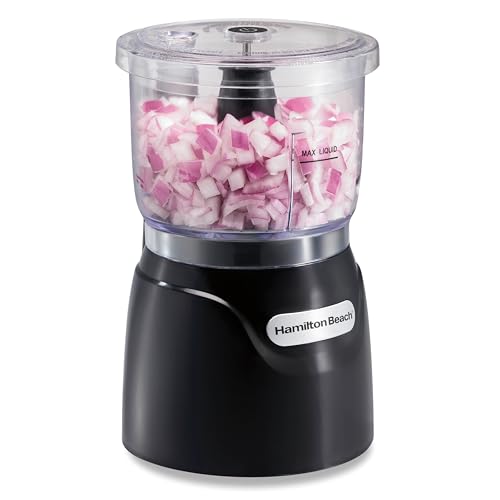
Good reminder to pick the right machine. I have a tiny apartment so the Hamilton Beach 3-Cup Electric Vegetable Chopper was perfect for me — cheap, quiet, and fits in a cabinet. Not ideal for dough though.
Would love a quick comparison chart of these models (capacity vs noise vs price).
I can make a simple chart and DM it if you want. I compared prices last month and it helped me decide on the Ninja Plus.
Great idea, Priya — a quick comparison chart is something we might add. For now: Hamilton Beach = budget/compact, Ninja XL = capacity/bulk prep, KitchenAid 9-Cup = versatile with attachments.
Short and sweet: Ninja Professional Plus 9-Cup is the real deal. Fast, durable, and not terrifying to clean. Would recommend for big households.
I finally followed the ‘troubleshooting and smart shortcuts’ section this week and it saved me a ton of time.
Steps I used:
1) Pre-freeze tomatoes for chunkier salsa (30 min)
2) Pulse in 1-second bursts to control texture
3) Rinse blades immediately, soak bowl for 10 mins
Biggest win: my Sunday meal prep went from 3 hours to 90 minutes. Seriously. If you haven’t tried pulsing properly, STOP reading this and go try it.
I also prep nuts in the processor for granola — pulses only, otherwise nut butter happens lol.
Ooh, meal prep in 90 minutes? Share your menu! Always looking for ways to speed up Sundays.
Love that workflow, Robert — pulsing is the underrated hero. Thanks for sharing the step-by-step!
I use the KitchenAid 3.5-Cup Compact Food Chopper almost daily for dressings, garlic, and small dicing. Pro tip: use the pulse function in short bursts and scrape down the sides between pulses. Saves time and prevents overheating.
Excellent tip, Victor. Scraping down the sides is underrated — keeps everything moving and cuts time.
Agree. Also, don’t overfill compact bowls — they need room to work.
Okay, I tried the ‘stop chopping’ approach and here’s my messy honest take:
1) I love speed but hate the unevenness sometimes — pesto became too smooth.
2) Cleaning the blades scares me (how sharp are they??)
3) The article’s safety section was helpful but I still worry about kids around the counter.
Would love a simple ‘beginner’s flow’ — what to chop by hand vs by machine, and some do’s/don’ts. Also, can’t be the only one who nicked their finger trying to pull one of those grimy blades out 😬
Blades are sharp — treat them like knives. I wrap them in a tea towel when putting them in the sink to avoid accidents.
Pesto tip: pulse basil with a little oil and cheese at the end, not the beginning. That keeps some texture.
I used to cut myself too — rubber gloves helped me feel safer when grabbing blades.
Kid tip: keep the processor unplugged while loading/cleaning, and store blades separately out of reach.
For unevenness: try chopping half the ingredients by hand (like big basil leaves) then pulse the rest. Best of both worlds.
Thanks for the honesty, Olivia — great feedback. We’ll add a beginner’s flowchart. Quick tips: pulse for texture, keep thumbs away from edges when removing blades, and use a long-handled brush for cleaning.
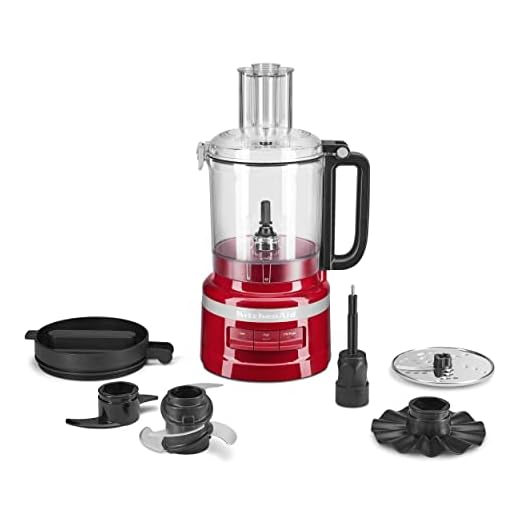
This article convinced me to finally use my KitchenAid 9-Cup All-in-One again. A few random thoughts:
– I was intimidated by the accessories but they’re actually useful.
– Dough blade makes cookies faster.
– Cleaning the feed chute is the worst, but soaking for 10 mins works.
Solid read. Maybe include more pics of the accessories in use?
FYI: If you pulse slowly and check frequently you avoid overworking dough. Learned the hard way.
Seconding the pour spout tip — it made vinaigrettes way easier for me.
Agree on the dough blade — cookies + processor = game changer. Also, use the pour spout on the 3.5-cup for dressings, so much less mess.
Great notes, Emily — we’ll try to include accessory photos in the next update. The feed chute is easy to miss when cleaning; a soft brush helps a lot.
Love this article — finally someone encouraging me to stop pretending I enjoy chopping onions 🤣
I bought a Ninja Professional XL 12-Cup last year and it changed dinner prep for our family. Salsa in 30 seconds, dough bits in under a minute. The section on maintenance is super helpful too (never thought to lubricate that locking ring). Keep these tips coming!
Would love that recipe list, @Sarah. I always worry about over-processing and ending up with tomato soup 😂
Totally — salsa+chips night is back on. Also pro tip: freeze ripe tomatoes for 10 min to make chunkier texture in the XL.
So glad it helped, Sarah! The Ninja XL is a great pickup for families — the big bowl is a lifesaver. If you ever want recipes optimized for a processor, I can share a short list.
Tried the Ganiza 8-Cup Dual-Bowl for a week after seeing it on sale. Love the dual-bowl idea (switching tasks without cleaning constantly), but the replacement blade I bought (Bi-Level Replacement Blade for Ganiza GC10) didn’t feel as sharp. Anyone else noticed blade quality issues?
Thanks for flagging that, Mark. Blade quality can vary between aftermarket replacements. If it’s noticeably dull, contact the seller — and test with a soft food (like cooked potato) to compare performance before returning.
I used to be a chopping snob. Then I realized my time > my OCD precision. Bought a KitchenAid 3.5-Cup Compact Food Chopper, and it’s perfect for garlic/onion prep.
Minor rant: the buttons on some cheaper models feel like they’ll fall off. Anyone else got a clunkier unit?
Yup, had a clunky Hamilton Beach once. After a year the lid lock got sticky — a little warm, soapy water and it loosened right up.
You’re not alone — cheap button mechanisms can be annoying. If it’s a safety issue or it won’t lock properly, reach out to the maker for a replacement. Otherwise, a gentle clean around the switch sometimes helps.
Interesting article, but I’m skeptical about ‘stop chopping’ for everything. For some salads and stir-fries, I actually prefer hand-cut veggies — texture matters. Are there clear guidelines on what NOT to use the processor for?
Great point, Hannah. The article touches on this: avoid using the processor for precise julienne cuts or when you need consistent slices (salads, some stir-fries). Also, delicate herbs and small fresh garnishes are often better by hand.
Question: has anyone reused the Bi-Level Replacement Blade for Ganiza GC10? I bought one and it seems OK but a little noisy. Also — what are safe cleaning practices for aftermarket blades? Worried about coatings.
Also— how long should a mid-range food processor last with weekly use?
Good follow-up: always check seller reviews for long-term durability before purchasing replacement parts.
If noise increases suddenly, check for hair or small debris around the motor coupling. That fixed mine once.
Mine lasted about 6 years with weekly use — but I only bought OEM blades after noticing performance dip.
Aftermarket blades can vary. If it has an odd smell or flaking coating, stop using it. Clean with warm soapy water and avoid abrasive pads. Mid-range processors can last 5-10 years with regular care; motors typically wear out before the bowl does.
I once emailed the aftermarket seller for material safety info — they replied with vague terms. I returned the blade.
Nice overview. Short and to the point. I still use a chef’s knife 50% of the time, but the KitchenAid 3.5-Cup Compact is great for small jobs (herbs, garlic).
This article was fun but felt a bit like “buy more stuff” vibe. Do we really need six different models? I get the point about sizes, but maybe focus on multi-use picks rather than gadget envy.
Also, lol at the ‘stop chopping’ headline — my hands are still nostalgic for my old wooden cutting board 😂
Agreed. Get one good machine that covers most tasks instead of multiple single-use gadgets.
Fair call, Naomi. We’ll add a section on ‘best versatile picks’ to avoid gadget overload. The goal is fewer, better tools — not more clutter.
If you want one versatile pick, consider the KitchenAid 9-Cup All-in-One for attachments and consistent performance — but it’s heavier and pricier.
Thanks for listening — if you recommend one model for a versatile single machine, I’ll buy it.
This convinced me to stop hoarding knives for tiny jobs — bought a Hamilton Beach yesterday and I’m impressed 😊
Pretty quiet and super easy to wash — but I’m still figuring out pulse rhythm.
Glad it’s working for you, Zoe! The Hamilton Beach is a great starter. Any first impressions on noise or cleanup?
I appreciated the ‘Pick the right machine’ section. For those comparing, a few practical notes:
– Ganiza 8-Cup Dual-Bowl is clever if you like switching tasks without washing mid-recipe.
– Bi-Level Replacement Blade for Ganiza GC10 is handy but buyer beware — read reviews.
– If you’re on a budget, Hamilton Beach 3-Cup covers the basics.
No replies needed, just sharing my two cents.