


Stop the Drip Before It Starts
You want salads that travel. You want jars that hold. Leaks ruin meals and mood. They waste food. They make you mad. This guide fixes that.
You will learn why jars leak. You will learn how seals work. You will learn how to pack a jar for zero spills. You will learn how to test and care for the seal. You will learn quick hacks and the best jars to buy.
Seal the jar. Save your salad. Eat in peace. No leaks. No mess. Confidence on your commute and at lunch every single day.
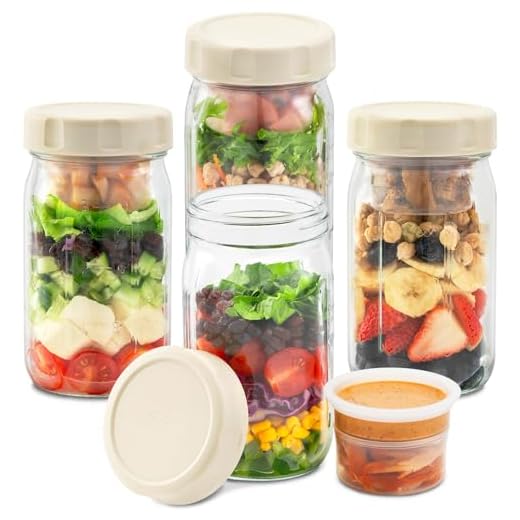

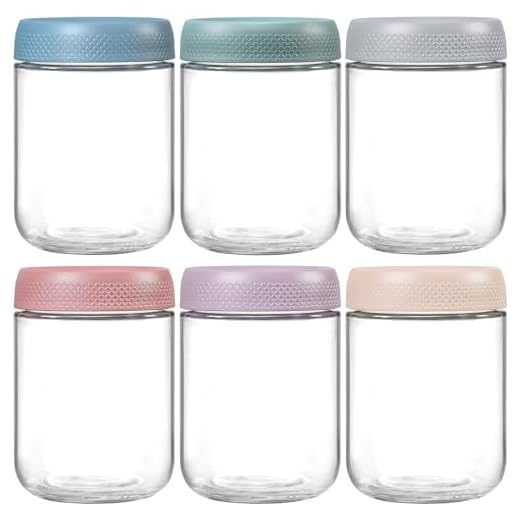
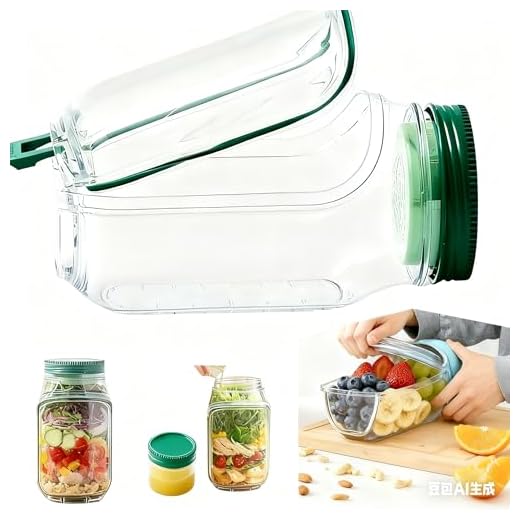
No More Soggy Salads: Top 3 Salad Containers
Why Jars Leak and How Seals Work
The forces at work
Liquids push. Air moves. You fill a jar and gravity pulls. A slosh hits the lid. Pressure builds when you shake or tip the jar. Heat changes the pressure too. Hot fill, then cool — the air inside shrinks and the lid pulls down. Cold fill, then warm — the air expands and it tries to escape. If the stopper isn’t right, the liquid finds a way out.
The parts that stop the escape
A seal is simple. It is a flat rim, a thread, and a gasket or flat lid that bears down. Two-piece Mason lids use a flat disk and a screw band. Clamp-top jars like Weck use a glass lid and a rubber gasket. Screw caps may be metal or plastic. Each type must match the jar’s rim and thread. If they don’t match, you get leaks.
Common failure points
A warped lid is quiet at first. Then it drips in your bag. A bad gasket leaks under side pressure. Wrong threads may look like they fit. But they cross-thread and gap.
How temperature and pressure change the seal
Hot liquids can create a vacuum as they cool. That can pull a lid tight or pop a poor seal. Cold liquids can trap air that expands later. In a car on a hot day, pressure can build and force liquid past a weak gasket. On a flight, cabin pressure shifts can stress a seal. Think of the jar as a small pressure vessel.
What to check when you buy or pack
Handle lids and gaskets gently. Replace parts when they age. Small fixes stop big messes.
Choose a Jar That Won’t Betray You
Glass or plastic?
Pick glass if you want peace of mind. It won’t stain. It won’t hold smells. It handles acid dressings and hot fills better. It is heavier. It will break if you drop it.
Pick plastic to shave weight. It survives drops. It can stain. It can ghost odors. Check for BPA-free marks and microwave safety. For long trips, you trade weight for worry.
Wide-mouth or narrow?
Wide-mouth jars make salads easy. You can layer greens, grains, and dressing. You can pack a fork inside. They are easier to clean. Narrow-mouth jars pour dressings well and save space in a cooler. Think of how you eat. Pack to match.
Lid types and gaskets
Know the lid styles. Screw caps are common. They are simple and cheap. Clamp tops use a rubber gasket and make a strong seal. Snap lids are quick but can fail under pressure. Vacuum lids add a pump and reduce slosh.
Gasket matters most. Soft silicone sits and seals. Rubber can harden or stain. Some metal lids use no gasket but rely on a flat mating surface. The single thing that matters more than brand is a good mating surface plus a soft gasket that hugs the rim.
Fit, threads, and specs
Read the label. Look for mouth size in mm or “wide/narrow.” Check thread pitch when you buy lids. A lid that looks right can cross-thread. Test the fit by hand. Fill the jar three-quarters and tip it. Wait five minutes. If a single drop appears, move on.
Features to demand when you shop
You carry a jar in a backpack or a tote. You want it to hold. Buy with that in mind.
Pack It Right: Layering and Filling for Zero Spills
You pack like you plan. A good pack beats luck. Follow simple orders. They stop spills. They keep crunch.
Basic layering rules
Step-by-step packs for three salads
Packing for shaking without leaks
Tilt the jar to push air out as you thread the lid. Screw until snug. Do a short test: hold jar upside down for 10 seconds over the sink. If one drop appears, re-seat the gasket. For long trips, add a silicone band around the lid or use an inner silicone stopper. For oily dressings, a small inner lid or a dedicated leak plug works best. Keep jars upright if you can. If you must shake, do it short and firm.
Test, Care, and Maintain Your Seal
You test jars before you trust them. You do a quick drill. Then you care for the parts. Small steps save big messes.
Quick seal test
Turn the jar upside down. Shake it for a minute. Watch the rim. Look for drops. Smear a paper towel around the lid. If it wets, the seal failed.
Listen when you open a jar. A soft hiss means vacuum. No hiss isn’t always bad, but it is a clue. For stubborn doubts, press the center of the lid. A good seal has a little resistance.
Try the soap test. Submerge the lid in water with a drop of dish soap. Bubbles mean air leaks. This works on metal lids and silicone stoppers.
Clean and dry every time
Rinse off oil and bits right away. Use warm water and mild soap. Scrub the gasket rim with a soft brush. Dry by hand. Air-dry where dust won’t sit on the gasket.
Never leave gaskets wet in a closed drawer. Mold hides in soggy rubber. If a gasket smells, soak it in hot, soapy water and rinse well.
Inspect and replace soft parts
Look for cracks. Look for flattening. Gaskets that look thin or misshapen will fail. Replace them when they harden or split.
Keep one spare gasket for each jar type. Keep one spare lid, too. You will thank yourself the day a seal gives out at a picnic.
Store smart and pack spares
Sometimes you store lids off jars. That keeps the rubber from squashing flat. Stack lids loosely. Let gaskets breathe.
Pack a small kit for travel:
Avoid the seal killers
High heat can warp rubber. Harsh chemicals and bleach eat gaskets. Dishwashers shorten gasket life. Don’t boil metal lids with rubber inserts unless the maker says it’s safe.
A quick real-world note: I once trusted a dishwashered gasket. It failed on a bus. Dressing everywhere. I swapped the gasket and never ran that model in the heat cycle again.
Test often. Replace early. Keep spares. Your jars will behave when you need them to.
Best Picks, Simple Hacks, and Troubleshooting Tips
You want quick wins. You want cheap fixes. Here they are. Short. Practical. Tested.
Best picks that last
Choose jars that bite down on the rim and hold it there.
Pick the lid style that fits your routine. If you pack oil or vinaigrette, favor clamps or full-gasket seals over plain two-piece canning lids.
Simple hacks you can do at home
These cost little and save big messes.
Try one hack at a time. See what works for your jars and dressing.
Quick fixes on the trail
You need fixes that take seconds.
I once rode a bike 10 miles with a jar of dressing. A rubber band and a spare cup saved the jacket.
Troubleshooting flow
No leak — you’re set. Shake and go.Small leak — tighten, add thread tape, or use silicone grease.Steady drip — replace the gasket or move dressing to a smaller container.Horror spill — open, absorb with towel, swap to a spare jar, replace parts before next trip.
Pro tips for transport
Use hacks when you must. Replace worn parts when you can. Ready for the last step?
Seal It and Go
You can stop spills. You can pack smart. Choose good jars. Pack with order. Test and care for seals. Small steps give big peace.
Your salad survives the trip. Trust your hands. Trust the seal. Try one jar. Watch the calm it brings. Share this habit. Keep salads safe. Go pack now. Fix lids tight. Check gaskets. Replace worn rings. Use weight smartly. Leave air space. Tilt no. Shake no. Eat on time. Enjoy clean lunches.



Long rant incoming but: I used to bring mason jars to work and one time a coworker put my salad jar upside down in the communal fridge (WHY). Of course it leaked. Learned the hard way to: 1) use silicone gaskets, 2) pick jars without rusted lids, and 3) take the ‘test your seal’ advice seriously.
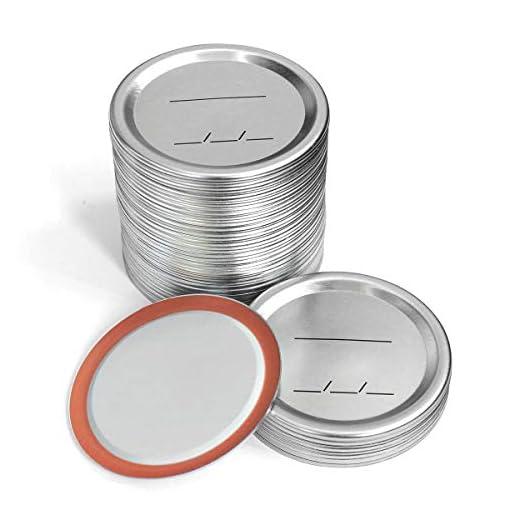
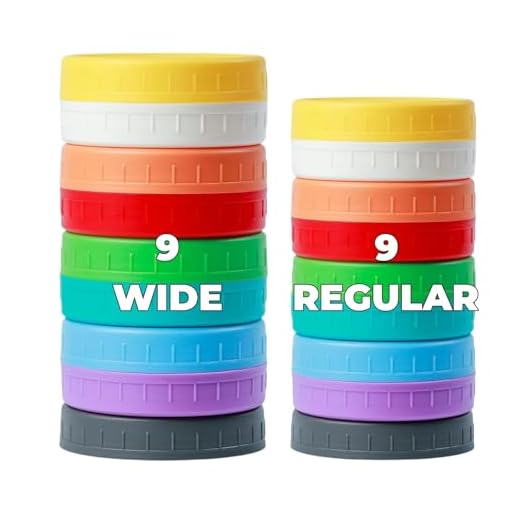
Also, Bedgeta 18-Pack Wide and Regular Mason Lids are lifesavers if you’re replacing old rusty lids in bulk.
Pro tip: keep a spare jar in your locker so you can swap if one gets dinged.
Oh no! Fridge mishaps are the worst. Great point about spares — slightly battered lids can fail even if the jar looks fine.
I put a note magnet on the fridge: ‘DO NOT TURN JARS UPSIDE DOWN’ — people still do it tho 😑.
If you’re storing jars in shared fridges, mention ‘Seal test’ and date on the lid — helps other people respect your food.
Haha, coworkers are chaos. I label mine with a cute sticker that says ‘do not rotate’ — surprisingly effective.
I started using 24-Pack Regular-Mouth Canning Lids with Seals for bulk meal-prep. Way cheaper than replacing individual lids.
I tried one of the hacks: put dressing in a silicone pouch then clip it to the jar’s rim. Worked but a bit fussy. If you’re in a rush, go with a Soligt with compartments.
Quick thought: Bedgeta 18-Pack Wide and Regular Mason Lids are useful if you like to swap lids between jars — makes meal-prep faster.
Appreciate the real-world test. Pouches work but add steps; compartments are more ‘grab-and-go’.
Pouches are my backup when I don’t want to clean tiny dressing containers.
Minor nit: the Best Picks section leaned heavy on glass. Are there any plastic options recommended for people who bike to work? Glass is great but scary on a commute.
Fair point. We prioritized glass for food safety and stain resistance, but plastic options like BPA-free containers exist — just look for leak-tested designs and reinforced lids.
I was skeptical but the ‘Test, Care, and Maintain Your Seal’ section is gold. Let me explain why in case anyone’s lazy like me:
1) Do the water test upside down for 10-15 seconds. If it drips, it’s not sealed.
2) Replace the gaskets yearly or whenever they smell funky. Silicone isn’t immortal.
3) Dings on the rim = replace the lid, not the jar. You can get the 24-Pack Regular-Mouth Canning Lids with Seals for cheap.
4) Tighten don’t torque. Over-tightening can deform the gasket. Learn from my smashed lid collection.
Also, a sarcastic note: ‘Seal It and Go’ is my life motto now. 😅
If you see visible mold, discard the gasket. For smells, a vinegar soak can help but replacement is cheapest long-term.
How do you know when a gasket smells ‘funky’? Is it mold or just ‘old plastic’ smell?
@Lena Mueller generally it’s a sour or mildew smell, or if the gasket feels sticky instead of elastic. Toss it.
Fantastic breakdown, Tom. The ‘tighten don’t torque’ is advice we probably should repeat more — you’re right about the smashed lids.
Wow, yearly gasket replacement is something I never considered. Thanks for the timeline.
Small PSA: store an extra gasket and a spare lid in your kitchen drawer. When I started swapping them out, my jam jars and salad jars lived happily ever after.
Also — shoutout to the ‘Seal It and Go’ outro. Motivational and practical. 😄
Agreed — spares in a drawer are essential. I keep a small zip-lock with extra gaskets.
Love the PSA — spares save so much headache. Thanks for the shoutout!
Loved the layer ideas in ‘Pack It Right’ — I started doing the dressing-at-bottom trick and it’s a game changer.
I ordered the Soligt 32oz Glass Salad Jars with Compartments after reading this and they actually hold up in my work bag (no mystery wet T-shirt incidents).
One question: anyone else find the compartments make it awkward to scoop with a fork? I end up combining in a bowl sometimes.
Also, the testing tips helped — I did the upside-down test before leaving and felt like a proud scientist 😂
You can also put dressings in a tiny nested container inside the compartment. No pouring needed when you’re ready to eat.
Thanks Sarah — happy to hear the Soligt jars worked for you! For fork access, try packing leaves in the largest compartment and sturdier items (carrots, cucumbers) in the others. A small collapsible fork helps too.
I had the same fork issue. I use a small wooden salad fork that fits into the lid pocket — works great.
Good read. Liked the ‘Why Jars Leak’ breakdown — makes sense that uneven threads and dents are the sneaky culprits.
Bought a 12-Pack Silicone Gaskets for Wide-Mouth Jars to replace old ones. Cheap fix and actually more reassuring than supergluing lol.
Just wanted to say: the ‘Pack It Right’ layering technique actually saved my picnic. I packed sturdy veggies on top and leaves below, no soggy salad in sight.
Also, the article’s ‘Test, Care, and Maintain’ made me clean gaskets properly — woah, they trap crumbs. 😬
I like the ‘Choose a Jar That Won’t Betray You’ advice. Personally avoided cheap lids and have stuck with Soligt and Netany brands for months.
One small critique: wish there were more photos comparing thread types. I had to google pics to match my jars.
Thanks for the feedback — visuals coming soon.
Good point — we’ll add a visual guide in the next update. Thread types can be surprisingly confusing.
Thread types: the difference seems like jar folklore until you need the gasket to match.
Yes! A photo guide would help. I couldn’t tell if my mason was wide or regular mouth at first.
Real talk: I tried sealing a jar with leftover vinaigrette, put it in my backpack, and thought I nailed it. Opened it at lunch — full salad tsunami. Learned to put dressings in separate tiny jars.
The Best Picks section gave me an idea — using Netany 16oz for breakfasts and Soligt for salads. Seems like a solid combo.
Also, can anyone confirm if the 24-Pack Regular-Mouth Canning Lids with Seals are compatible with National standard mason jars? I’m in the US — don’t want mismatch drama.
I had one mismatch with an older jar — measure the inner thread diameter and compare to the product specs.
They worked for me on Ball and Kerr jars, no drama.
Sorry about the tsunami! The 24-pack lids are typically standard for regular-mouth jars in the US, but double-check your jar diameter. Measurements are usually listed on product pages.
Thanks all — will measure before buying. Appreciate the quick replies.
Short and sweet: Netany 16oz Glass Oats and Yogurt Jars are perfect for breakfasts on the go. Smaller than the 32oz but fit well in lunch bags.
One tiny gripe — lids can be tight after dishwasher. A quick rubber-band trick loosens them up fast.
Good tip! Dishwasher heat can warp some seals; a soak in warm water usually helps too.
I appreciated the troubleshooting tips — my lid once leaked and the article helped me identify a tiny dent on the rim. Replaced the lid and it’s perfect now.
Also, cleaning tip: don’t soak wooden spoons in jars — learned that one the hard way 😅
Anyone else use the 12-Pack Silicone Gaskets for Wide-Mouth Jars? How long do they usually last?
Mine lasted about a year with daily use. I swap at the start of summer for fresh seals.
Thanks! I’ll set a reminder every 10 months to check them.
Glad the troubleshooting helped. For silicone gaskets, expect 6-18 months depending on use and dishwasher cycles.
Anyone tried the Salad Pod Side-Open Portable Salad Container? I want something quick for hiking but also leakproof. This article made me rethink relying on saran wrap 😂
We included the Salad Pod because it’s designed for quick access and side opening reduces spills — great for hikes if packed as we suggest (dressing bottom, sturdy on top).
I have one — it’s awesome for trails. Just make sure you tighten the lid fully and check the gasket each season.