


Head to Hillcrest Farms for Fresh Blueberries
You want good fruit and a day in the sun. Hillcrest Farms delivers both. You reach rows of bushes heavy with deep blue jewels. You learn how to pick ripe berries. You learn what to bring. You learn how to store, freeze, and cook them. This guide walks you through what to expect at the farm. It shows how to find the sweetest berries fast. It tells you how to pack and dress right. It gives tips on timing and nearby finds. Go ready. Bring a bucket. Leave with jars and a full heart. You will smile. And eat plenty.


Sweet Blueberry U-Pick Experience in Mobile, Alabama
Know the Farm: What to Expect at Hillcrest
Farm layout at a glance
You will walk the rows. The fields run in long, even lines. The farm maps the bushes in blocks: North Field, East Slope, and Orchard Edge. North Field ripens first. Orchard Edge stays cool later in the day. Signs mark each block. Stakes mark each row. You can follow them without guesswork.
Arrival and check-in
Drive up a gravel lane. You will see a white barn and a flag. Park in the lot near the barn. Walk to the check-in booth. They will weigh your bucket and tell you the price. You will get a tag to show where you picked. If you have questions, ask. The staff know the fields by sight and time.
Where to park and quick steps
Farm rules you must follow
The rules are simple. Follow the rows. Do not step into the bush line. Pick only ripe, blue berries. Do not climb on frames or ladders. No open fires. Dogs stay in the car or at home. Take your trash to the bins at the barn. These rules keep the plants and people safe.
Restrooms, shade, and places to sit
Restrooms sit by the barn. They are first-aid stocked and cleaned often. Shade comes from a line of oaks by the parking lot. You will find picnic tables and a few benches near the orchard. Sit if you need a break. Try a berry right there. The taste helps you choose the next row.
A simple map and a staff chat will calm you. When you are ready, head for a row and learn how to pick the ripest berries in the next section.
Pick Smart: How to Find Ripe, Sweet Berries
Look: color and bloom
Ripe blueberries are deep blue. They wear a pale, dusty bloom. That bloom is natural. It keeps the berry fresh. If a berry is red or purple, it is not ready. If it is dark and shiny with no bloom, it may be overripe or bruised. Walk the row. Scan for uniform blue across the cluster.
Feel: the gentle test
Hold a berry in your thumb and forefinger. Give a light tug. A ripe berry slips off with little force. It lands in your palm. If it tugs hard, leave it. If it bursts in your fingers, it was overripe. Aim for those that come free cleanly.
Pick: technique that spares the bush
Cup a small cluster in your hand. Pull one berry at a time or roll three to four between thumb and finger. Do not yank whole stems. Do not snap branches. Work from the outer leaves to the inner fruit. Move steadily. Keep your hands low. You will pick more and hurt the plant less.
Avoid: common mistakes
Taste: sample without waste
Taste a berry from the bush, not the ground. Try one from the top of the plant and one from the shaded inner side. The sun-side often is sweeter. Rinse only at home. One farm worker I met tasted three from different rows and picked the row she liked best. You can do the same. A quick taste guides your next five minutes of work.
Use your eyes first. Use your hands to confirm. Move through the row with quiet care. You will find the best berries more often, and leave the rest to ripen.
Pack and Dress Right: What to Bring for a Great Pick
Clothing that works
Wear shoes that grip and shrug off mud. Try Merrell Moab 2 or Keen Targhee. If it rained, go with rubber boots like Hunter.
Wear long sleeves and light pants. Choose breathable fabrics with UPF. Columbia Silver Ridge shirts breathe and block sun.
Bring a wide‑brim hat. A hat keeps sun off your neck and berries off your head. Sunglasses with side coverage help.
Carry a light rain shell. Mornings can be cool. Layers let you move and stay dry.
Picking containers and tools
Use a wide bucket or a harvest pail. A 5‑gallon bucket lined with a clean bag works. A small cardboard berry box keeps fruit from squashing.
Bring a small pair of snips for stems if you want to trim, and a soft pair of gloves if the bushes are scratchy.
Food, water, and first aid
Bring water. Freeze one bottle overnight and pack it in a cooler. It keeps fruit cold and gives cold water later.
Pack salty snacks and a protein bar. You will tire faster than you think.
Carry sunscreen SPF 30+ and reapply. Use DEET or picaridin in tick country.
Have a tiny first‑aid kit. Include bandaids, antiseptic, tweezers, and allergy meds if you need them.
Kids and pets
Bring a wagon or a kid’s harvest bucket. Little hands fill small containers fast. A small folding step stool helps reach top clusters. Pack spare clothes. Children will get sticky.
Check the farm rules before you bring a dog. If dogs are allowed, bring water, a leash, and a towel. If not, leave pets at home. Farms often have busy machines and other animals.
What not to bring
Do not bring glass. Do not wear jewelry that catches on branches. Do not spray heavy perfume. Do not bring large coolers that block paths.
Keep it simple. Pack light. Move fast. Stay dry and safe.
Next, learn how to store, freeze, and turn those berries into great meals.
Keep and Use Your Berries: Store, Freeze, and Cook
Quick clean and chill
Do not wash berries until you use them. Water speeds rot. Pull out any soft or moldy fruit. Line a shallow tray with paper towels. Spread berries in a single layer. Chill them in the fridge. They will keep for 3–5 days if cool and dry.
Tools that help
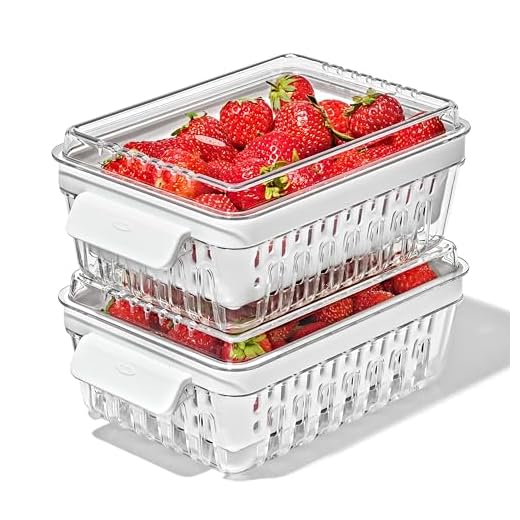
Use shallow containers. Tight lids can crush fruit. Glass jars like Ball Mason work for short storage. For gentle venting, try the OXO Good Grips Berry Keeper 2-Piece Set.
How to wash fast
If you must wash, do it last. Use a colander and cold water. Swirl gently. Drain well. Pat dry with paper towels or spin in a salad spinner lined with a towel. Dry fruit lasts longer.
Freeze in single layers
Lay berries on a baking sheet in one layer. Use parchment. Freeze for 2 hours. Then move frozen berries into freezer bags or rigid containers. This keeps them separate. They thaw one by one. Label bags with date. Frozen berries stay best for 8–12 months.
Simple uses that sing
You will eat a lot of berries. Use them raw. Toss them into cereal. Add them to green salads with feta and a balsamic splash. Stir them into plain yogurt with a drizzle of honey. Blend into smoothies with banana and spinach.
Baking and jam basics
For a quick pie: toss 4 cups berries with 3/4 cup sugar, 3 tbsp cornstarch, pinch salt. Fill a pie crust. Bake at 375°F until bubbly. For a crumble: top berries with oats, butter, brown sugar; bake until browned.
For small-batch jam: mash 3 cups berries, stir in 1–1¼ cups sugar and 2 tbsp lemon juice. Cook on medium heat until thick (15–20 minutes). Jar warm jam. It lasts weeks in the fridge.
Stretch your haul
Make compotes to spoon over pancakes. Freeze in ice cube trays for single portions in smoothies. Share jars of jam with neighbors. Dry some berries in a low oven for a chewy snack.
Keep it simple. Use what you pick. Save the rest.
Plan Your Visit: Times, Tips, and Local Finds
Check hours and call ahead
Look up Hillcrest on Google or the farm’s social feed. Hours change with the season. Call the day before. Ask about ripe rows and any closures. A quick call will save you time and gas.
Best times to go
Aim for early morning. The air is cool. The berries are firm. Weekdays are quieter than weekends. Late afternoon works in low heat seasons.
A family I know arrived at 7 a.m. on a July day. They had long rows to themselves. They left with two flats and big smiles.
Payments and small-group notes
Ask what the farm accepts. Many farms take cash, cards via Square, or contactless pay. Bring small bills just in case.
If you come with a group, call first. Book a time slot. Stagger pickers if you need space. Bring one person to check in and pay while others pick.

Events, tours, and special days
Farms run events. Look for U-pick festivals, kids’ days, or sunset hours. Sign up for the farm newsletter or follow their Instagram. They post last-minute updates there. Tours and demos fill fast. Book early.
Find local markets and chefs
Bring a list of nearby spots that buy fresh fruit. Check the week’s farmers’ market on the county site. Search “farm-to-table” on Yelp for nearby restaurants. Chefs use berries in sauces, salads, and cocktails. Call ahead if you want to buy extra for a local bistro or bakery; some chefs buy directly from farms.
Make the trip smooth
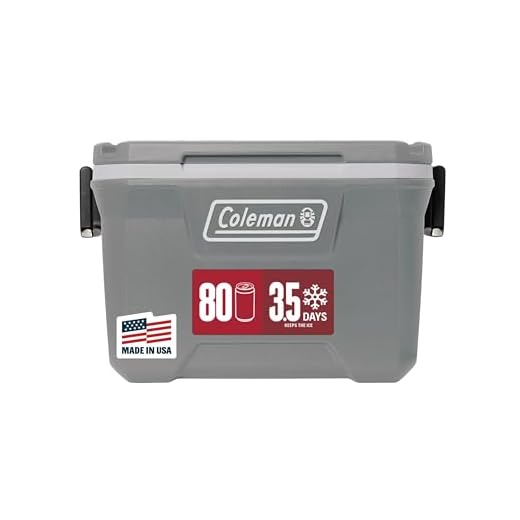
Map your route before you leave. Pack a cooler and ice packs like a YETI Roadie or a Coleman chest. Wear good shoes. Leave extra time for tasting and photos.
With this plan you will pick more and worry less. Prepare, call, and arrive ready for a good day.
Go Pick and Savor
You now know what to expect. You are set to pick, pack, and keep fresh blueberries. Plan a simple day. Bring a list. Bring a friend. Taste as you go. Look for firm, deep blue berries. Fill your boxes but leave the bushes. Move slow. Pick only ripe fruit. Wear sunhat and closed shoes. Use a cooler for the ride home.
Make jam. Freeze for winter. Share with neighbors. Take photos. Call Hillcrest to check hours. Go early for cool air and quiet rows. Bring water and sunscreen. Pick, smile, and savor the best of summer.





I appreciate the recipe/storage section. After picking, I turned a ton of berries into jam and smoothies.
One note for future articles: include a simple jam recipe using frozen blueberries (365 by Whole Foods works fine). Might help beginners.
Yes please! Jam recipe would be awesome — or even a simple pie/cobbler idea.
Great suggestion, Robert. We can add a basic jam recipe using frozen or fresh berries — super helpful for newcomers.
Thanks for listing products — I ended up ordering the Coleman cooler after reading the article. Big thumbs up: kept our haul cold and the family thought it was picnic-level comfy.
Small note: the cooler is heavy when full, bring a cart if you’re walking from the lot.
Also, if you use ice packs instead of loose ice the mess is way less. I learned that the hard way 😅
Great to hear the Coleman worked well for you. Good point about weight — a collapsible wagon or cart helps a lot for long walks.
Anyone else bring that 3L adjustable strap bucket and end up with squirrels trying to steal it? 😂
Serious note: the hands-free bucket is genius for speed and keeps your pockets free. Didn’t realize I’d been missing out for years.
Squirrels and my nosy toddler — both thieves. The strap bucket was worth every penny for our family trip.
Squirrels are the real competition at farms — ha! The strap bucket does help you pick faster and reduces fruit squishing, which the article mentions.
I tried freezing a ton of blueberries last year and ended up with a frozen clump mess. The article’s tip to flash-freeze on a tray first was clutch.
I bought 365 by Whole Foods Organic Frozen Blueberries for smoothies when I’m out of fresh ones — tastes surprisingly close to fresh!
Pro tip: line the freezer tray with parchment — less sticking, easier to dump into bags.
Good call on parchment. I also use the leakproof fridge containers for fridge storage before I freeze — keeps them neat.
Yes, flash-freezing is the best — helps keep berries separate and makes measuring easier later on.
I always forget this step and then curse when I try to scoop frozen berries out. Thanks for the reminder!
Constructive: The article could use a bit more on berry pest spotting (mold, tiny bugs). Spent an afternoon picking and had to toss ~15% of my haul because I missed a few signs.
Otherwise loved the packing checklist (OXO and leakproof containers callouts included).
I bring a small magnifying glass? lol jk but a quick glance usually does it.
Yep, a quick visual check while picking saves disappointment later. Also avoid overripe clusters.
Thanks for the feedback, Kevin. Good point — we’ll add a short section on spotting compromised fruit (soft spots, mold, tiny holes) in a future update.
Short and sweet: Bring water, sunscreen, and a sense of humor. The Metal Comb scoop tool saved my back last season — way faster than picking one by one.
Also, watch out for thorns near the bushes (who knew blueberry bushes could be sneaky?).
Haha, glad the scoop tool helped. The Metal Comb is definitely a time-saver. We mentioned packing long sleeves in the article for that reason.
Agree on the scoop — I call it my blueberry rake 😂 Also, long sleeves + hat = no regrets.
Funny story: I thought the Metal Comb would make me look like a pro, but I got more berries on my shoes than in the bucket first trip 😂
Longer note: dress in layers. Mornings are cool and fields get hot by noon. Also, bring heavier shoes for muddy patches.
Mud + sneakers = regret. Boots saved me last year.
I ruined a pair of sandals once — never again.
Ha — the first-time juggling act is real. Layers are key; thanks for the footwear reminder too.
Small rant: The parking was a nightmare at the last farm we visited. If Hillcrest gets busy, does anyone have tips for early arrival or best days to go?
Also — are the on-site restrooms okay? I’ve had some rough experiences at other farms.
We went on a Tuesday morning in July and had the place to ourselves until noon. Parking was a breeze.
If you’re wary, call ahead. They have limited weekend staff sometimes so they’ll tell you best windows to come.
Weekdays or early mornings on weekends are usually best. Hillcrest suggests weekdays for less crowding. Restrooms at Hillcrest are basic but clean according to recent visitors — bring sanitizer just in case.
Loved this write-up — Hillcrest Farms sounds perfect for a weekend trip.
I’m bookmarking the 3L hands-free bucket recommendation, that sounds like a game-changer when you’ve got kids and need both hands free.
Question: do they charge per pound or per container? Hoping to avoid the awkward weighing line at the end lol.
Also, does anyone know if the OXO Berry Keeper keeps berries from getting squished in the car? I drive about 25 minutes from the city.
They usually charge by weight, Sarah — most U-pick farms do. Hillcrest’s site says per pound but they sometimes sell pre-weighed flats. The OXO Berry Keeper is great for short drives; the vented lid helps, but if it’s a long trip I’d still use a cooler like the Coleman to avoid heat damage.
Per pound here too. I brought the 5-pack leakproof containers once and they worked great for leftovers — no juice everywhere 👍
I use the insulated Coleman when it’s hot out. Keeps them firm until I get home.
Random question: Is the Metal Comb ergonomic picker actually gentler on berries than bare hands? I worry about bruising when I’m loading my containers.
Also — is the OXO berry keeper better than the 5-pack leakproof containers for short-term fridge storage?
Comb is gentler if you use it correctly. I learned to scoop under the berries instead of dragging across the bush.
The Metal Comb is designed to scoop without crushing most ripe berries, but technique matters — gentle raking rather than pressing down. For short-term fridge storage, the 5-pack leakproof containers are great for stacking, while the OXO is vented and better if you want airflow to reduce moisture buildup.
I use OXO for delicate berries I’ll eat the next day and the leakproof for taking extras home. Both have pros.
Skeptical review: I wasn’t a huge fan of the OXO Berry Keeper’s size for large batches. It’s great for snacks, but if you’re going big, the 5-pack containers or the Coleman cooler handle volume better.
Still, the OXO’s vents are fab for keeping berries from sweating overnight in the fridge.
I combine: OXO for fridge snacks, big leakproof containers for the rest.
Thanks for the honest take, Lena. Size trade-offs are important — great to point out the OXO is best for small to medium amounts.
Agreed. OXO for immediate use, 5-pack or cooler for haul home if you picked a lot.