


What Your Wine Cellar Hides: A Quiet Truth
You keep wine to taste later. You think your cellar is safe. But half of all home cellars fail to hold steady climate. That loss kills corks. That loss steals years of work and money. You would not leave money in the sun. You do with wine.
This piece points to what you do not see. It lists hazards and secrets. It gives clear steps. It shows how walls lie, how labels can cheat, how air can change taste, how costs hide under floorboards, and how aging can trick you. Read it. Act. Save your wine. Start now. Protect it.


Hidden Door Unveils a Wine Cellar: Finished Basement Tour
Hidden Hazards: Heat, Humidity, Light and Pests
Heat steals time
Heat moves slow and sure. It wakes the wine. Keep your cellar in the right band: about 50–55°F (10–13°C). Even a 10°F rise speeds change. Check spots near heaters, boilers, or sunny walls. Use a simple thermometer and check different shelves at different times. If one shelf runs hot, move the wine.
Humidity lies both ways
Too low and corks dry. Too high and mold eats labels and corks. Aim for 60–70% relative humidity. Watch for puddles and for dry, shrunken corks.
Light bleaches and ages
Sunlight and fluorescent tubes break wine fast. Use no direct light. Swap bulbs for low-UV LEDs. Add 3M UV film on any glass door or window. Test: leave a white paper for a week in the spot. If it yellows, the light is wrong.
Vibration shakes the truth
Vibration stirs sediment and forces chemical change. Avoid racks on concrete against washer rooms or HVAC. Put racks on Sorbothane pads or heavy timber bases. Use your phone as a quick sensor: lay it on the shelf and watch for movement while machines run.
Pests chew value
Mice and silverfish love dark, dry corners. They chew corks, labels and wood. Look for tiny holes, gnaw marks, droppings, shed skins, or sticky trails. Seal gaps with steel wool and door sweeps. Use enclosed bait stations (Victor snap traps work) and glue traps in hidden corners. Keep cardboard boxes off the floor.
Quick checks and fixes
You will learn to spot small attacks before they grow. Next you will see how your walls hide the failures that let these hazards in.
What the Walls Hide: Structure, Insulation and Leak Risks
Walls, foundations and insulation
Walls speak if you listen. A hairline crack is a warning. A stepped crack along a block wall is a shout. Look for uneven floors, bowed studs, or mortar gaps. Rigid foam (XPS or polyiso) and closed‑cell spray foam block heat and vapor. Loose fiberglass batts without a proper vapor retarder invite moisture. Use a smart vapor barrier (like CertainTeed MemBrain) where climates swing from hot to cold.
Spot leaks before they grow
Touch walls and floors. Smell musty corners. Tap concrete; a hollow sound can mean voids. Run a simple test: tape plastic to the wall for 24 hours and check for condensation. Probe soft spots with a screwdriver. For a quick moisture check, use a meter to confirm wet areas.
Shelves, paint and pipes
Shelves strain over time. Plywood sags if unsupported. Use steel brackets or racks rated for wine loads (look for 1,000+ lb capacity per section). Old paint and sealants can bleed odors into corks. Choose masonry sealers (Drylok) or low‑VOC paints. Watch pipes. Copper pinholes and old galvanized joints drip where you least expect. Run an inspection after the heating season and after the first hard freeze.
Drainage and you
Basement cellars need one of two things: a reliable drain or a sump pump. A single storm can flood a cellar without either. Slope the floor to a drain. Install a battery‑backed pump if power can fail.
DIY checks and pro calls
Call a pro for structural movement, persistent leaks, or mold that covers more than a few square feet. You can stop damage early. You can save bottles and money.
The Truth Behind Labels: Provenance, Fill Levels and Tampering
Labels tell a tale. They do not tell the whole tale. Bottles move hands. You must read what is left behind.
Read the fill
Look straight on. Hold the bottle upright. Note where the wine sits against the shoulder, the neck, the cork. Older wines settle lower. Heat drives ullage up. A 20‑year Bordeaux with a low fill is a red flag. Compare to auction photos of the same vintage. Photograph fills against a white card for records.
Scan the label
Inspect print, texture and edges. Poor print or fuzzy type can mean a fake. Look for mismatched fonts or off‑color inks. Check the back label for importer stamps or tax strips. Use a 10x jeweler’s loupe or a phone macro lens to catch tiny flaws. Shine a UV light to spot repairs or modern adhesives.
Prove the past
Ask for invoices and storage receipts. Request lot numbers from auctions. Get dated photos that show neck and shoulder. Insist on a chain of custody. Call the original shop or château if needed. Save every receipt and email. Keep photos in a single folder. These papers are proof when questions arise.
Quick provenance checklist:
Spot recorking and tampering
Look for uneven capsule cuts. Watch for fresh glue or hot‑melt around the neck. A cork that is too clean can be a replacement. New sediment after you tilt the bottle is odd. If a top cork shows a different brand, pause. For high‑value bottles, use a trusted authenticator before you buy.
Next, learn how the cellar itself scents and shapes wine and what that does to taste.
How Your Cellar Shapes Taste: Microclimates and Odors
The room is not neutral. It breathes. It hides pockets of warm air and cold stillness. It brings smells. Those things change wine. You must learn the cellar’s small moods.
Microclimates: corners that lie
Cold sits low. Heat hugs lights and doors. Shelves make shadows. A stack of boxes traps heat behind it. You will find bottles that age faster and bottles that barely age at all. Place a cheap hygrometer and thermometer (Govee or Inkbird) in three spots. Check them for a week. You will see the map.
Map your cellar
Mark hot spots. Mark humid pockets. Note the draft by the door. Use sticky notes or a simple grid. Move a few bottles for a month. Taste one after six months. Repeat. You will learn which place improves Cabernet and which dulls a Riesling.
Group by need
Put wines by what they want. Reds that like warmth live where the temp swings a bit. Whites and sparkling go where it stays steady and cool. Store fragile or corked bottles away from strong-smelling neighbors: varnished wood, paint cans, onions. Small racks near the entry are not neutral.
Purge bad smells and ventilate
Open the door and sniff. If you smell mold, paint, or gym socks, act. Run a fan or an inline duct fan like AC Infinity CLOUDLINE S4 to move air. Use activated carbon filters or a small charcoal canister to scrub odors. For damp rooms, try the Quiet 85oz Home Dehumidifier with Drain Hose.
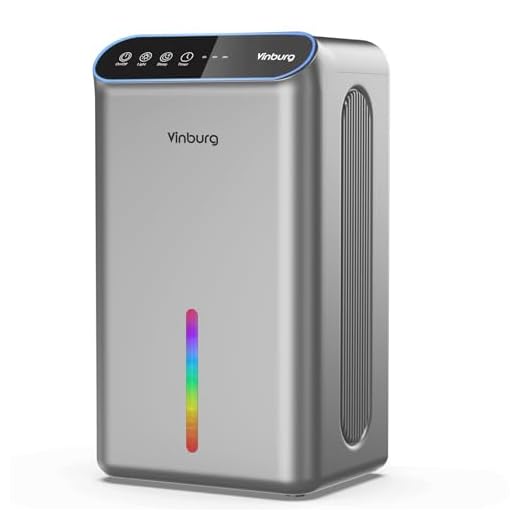
Airtight shelves help. So do clean concrete floors and sealed paint. Replace old cardboard. Clean spills with vinegar and water.
Test by tasting
Pull a small sample. Smell first. Look for must, wet basement, or paint. Taste. If the wine carries cellar smells, move bottles and purge the air. Keep tasting once a season. You will know when the room helps and when it steals fruit.
Costs You Do Not See: Running, Repair and Replacement
You may think the cellar is free once built. It is not. Bills arrive. They hide in small items and slow leaks. You must count them.
Running costs: power and upkeep
Cooling runs day and night. Small coolers use less. Big split systems eat power. Expect a range: tens to hundreds of dollars a month. Humidity control adds pumps and pads. Fans and lights add cents that add up.

Repairs and wear
Racks sag. Compressors fail. Door seals crack. A worn shelf will drop a case. Fixes can be cheap. Or costly. A compressor swap can cost several hundred to over a thousand dollars. A simple door gasket costs a few dozen. Plan for both.
Insurance and loss
Insure the bottles you cannot replace. Policies vary. A rider may raise premiums by a small percent. But a stolen or shattered case of aged Bordeaux can cost far more than the added premium. Track value. Photograph. Keep receipts.
Soft costs: software and alarms
Inventory apps like CellarTracker or Vinfolio keep value and tasting notes. Alarms and sensors (SensorPush, TempStick) warn you before disaster. They cost up front and in subscription fees. But they stop big losses.
Practical steps you can take now
Spend where value lies. Buy a good compressor for rare bottles. Use cheap fixes for low-risk stock. Keep a list. You will know what to pay for and what to mend yourself.
The Secrets of Aging and Drinking: Timelines, Rotation and Planning
Know your timelines
You must choose what ages and what drinks now. Big tannic reds — Bordeaux, Barolo, Napa Cab — sleep long. Light reds, simple whites, and most rosés wake fast. Riesling and some Brunello keep for decades. Learn a bottle’s curve. Look up producer notes or CellarTracker entries. Set a target decade. Then pick a drink year for each bottle.
Rotate like a kitchen
Treat the cellar like a busy bar. First in. First out for everyday bottles. Hold back a corner for long-term stars. Tag shelves with years. Use color tabs or a shelf map. Run a monthly sweep. Pull bottles that hit their drink window. Move them forward to a short-term rack.

Prepare to drink
Old bottles need time. If a wine has been stored cold and upright, stand it up 24–48 hours before opening to let sediment settle. Bring reds from 55°F to 60–65°F slowly. Whites often need only 15–30 minutes out of the fridge. Decant older reds for air. Young tannic wines may benefit from an hour or two of decanting. Avoid thermal shock. Do not blast a chilled bottle with a hot room.
Log, alert, taste
Keep a simple log. Bottle, vintage, buy date, target drink year, tasting note. Use an app or a spreadsheet. Set calendar alerts for tasting and rotation. When you taste, write one clear goal: confirm ready, hold, or drink now. Repeat. You will learn curves. You will waste less. You will drink better.
Next, you will learn what to do after you act.
Look, Learn, Act
You now know the plain facts. Your cellar hides things that help and things that harm. Look closely. Keep a list. Check walls, temp, light, seals, labels and pests. Fix what you can. Call a pro for the rest. Protect corks, bottles and memories.
Make a plan. Rotate stock. Track ages and tasting dates. Budget for heat, repairs and replacement. Taste with intent. Drink when the wine is ready. Share what you learn. Enjoy what you keep. Start today: inspect one shelf, note one issue, and schedule one fix. Your cellar will thank you and pour one.




Real talk: label provenance made me audit a gifted bottle. Turned out it was a supermarket import with dodgy fill level. The article’s tips on provenance are helpful — always ask for receipts or photos when trading.
Also, anyone used the Coravin on older, low fill bottles? Nervous about pushing a needle through an ancient cork.
With older, low-fill bottles, proceed cautiously. Coravin is great but piercing very old, brittle corks has risks. Consider sampling by decanting a small pour if the cork is fragile.
I once used Coravin on a 30-year-old bottle and the cork crumbled a bit — recovered the pour but now I inspect fill levels first.
If fill level is low, maybe avoid Coravin and instead siphon gently with a small pipette or ask a pro for help.
The Truth Behind Labels section made me paranoid. I pulled a bottle with a weird fill level and it smelled off. 😬
Anyone use a digital moisture meter or something to check cork condition? The article mentions General Tools Digital Pin Moisture Meter — does that work for wood/cork checks?
Pin meters can be useful to find damp wood or structural issues that may cause humidity problems. For cork-specific issues, the fill level and aroma are better immediate clues, but moisture meters help diagnose the environment.
I have that exact pin meter (backlit) — saved me from a slow leak behind a built-in rack. It beeped when walls were damp.
I’ve used the General Tools Digital Pin Moisture Meter on my wooden cases; it’s great for spotting wet areas in wood near leaks. For corks I rely on visual check (fill level, seepage) and the nose. The pin meter could help detect humidity issues in racks or crates.
I love the practical tips for leaks and insulation. Quick question: how deep should insulation be for a below-grade cellar? The article mentions walls hide structure but no specifics.
Good question — best to consult a contractor for local codes, but generally closed-cell spray foam or 2–3 inches of rigid foam board can make a big difference with a vapor barrier. Insulating and sealing gaps is more important than raw thickness in many cases.
Also ensure any insulation you add doesn’t trap existing moisture against the masonry — ventilation + a moisture barrier helps.
We used 2″ XPS boards and sealed seams — cut our humidity issues in half. But check for local moisture sources first.
Quick, slightly snarky take: if your cellar smells like old gym socks, don’t blame the wine. 😂
Seriously though, the smell-transfer section is underrated — I recommend an activated charcoal filter or just keeping things ventilated. Anyone tried odor filters in wine rooms?
I used small charcoal bags in cabinets and they did help. Also removed a box of old newspapers — that helped more than I expected.
New wood finishes are a big offender. Let new shelving air out before populating it with bottles.
Ha — truth. Activated charcoal is a good, passive solution. Ventilation plus monitoring for off-gassing materials (new paint, new furniture) is key.
LOL — article gave me anxiety about my ‘collection’ which is 50% impulse buys. 😂
Small practical note: Coravin is a gateway to sampling—dangerous for the wallet but saves you from wasting a bottle when you just want a sip. Also, Govee for the win.
You’re not alone — lots of collectors start impulsive. Coravin can be both a budget-saver and an enabler 😉. Good to balance sampling with a plan.
Impulse buys are my specialty. I keep a ‘try soon’ box in the cooler to avoid opening something precious by accident.
Short and practical — loved the checklist at the end. The section on costs you do not see is the real wake-up call. Running a dehumidifier 24/7 is not cheap.
Curious: anyone tracked monthly electricity for a wine fridge vs. dehumidifier + ambient cellar? Numbers would help to plan.
I switched to a smaller cooler (Antarctic Star 26-Bottle) for whites and keep reds in a temperature-stable room. Cut costs by ~30%.
I tracked mine for a year. Wine fridge (small) ~90–120 kWh/month in summer, depending on ambient temp. Dehumidifier was similar but depends on size — the Quiet 85oz unit ran less often when I insulated the cellar. Your mileage will vary though.
Good question — I don’t have one-size-fits-all numbers, but insulating walls and sealing doors reduces both fridge and dehumidifier runtime. If you want, I can follow up with a short post on estimated running costs for common setups.
Wondering about long-term aging: the article’s timelines were a bit vague. How do you plan rotation for a mixed cellar of drink-now vs age-10 bottles?
I tried color-coding but still mix them up sometimes.
Try organizing horizontally by timeline — nearest to the door = drink soon; deeper shelves = long-term.
I use a spreadsheet with purchase date and ‘peak year’ and print small tags. Sounds obsessive but helps at parties.
Color-coding is a good start. Another approach: keep ‘drink-now’ bottles in a designated, easily-accessible zone (maybe in the Antarctic Star cooler for immediate ones), and label age-worthy bottles with expected peak-drinking windows on tags. Digital inventory apps help too.
I appreciated the microclimate bit. I used to think my basement was uniform — until I put a Govee Bluetooth Thermometer Hygrometer with Remote App at three heights. The top shelf was 4°F warmer and 8% drier.
Anyone have advice on moving bottles to equalize aging? Is rotation every 6 months overkill?
I rotate every 6 months for mid-range bottles, and every 3 months for things I’m betting on. It’s annoying but worth it.
Rotation frequency depends on bottle value and cellar variation. For high-variance microclimates, rotate more often (every 3–6 months). For stable cellars, once yearly may be enough. Track with a log.
If you have scents/odors in the cellar (paint, laundry), do more frequent checks — odors can transfer surprisingly fast.
Minor nit: the article mentions pests but didn’t give much on solutions. Saw some beetles once and nearly had a panic attack.
I ended up storing corkscrew-opened bottles in the Coravin Timeless Three Plus Wine Preservation System and got sealed cases for long-term storage. Also trap + diatomaceous earth worked for me.
I put sachets of cedar in open areas and it helped repel some critters. Not a cure-all but worth combining with traps.
Diatomaceous earth is a good, low-toxic option. Also check wooden racks and insulation seams — pests love tiny gaps.
Thanks for the tip, Tom. Pests are often overlooked; traps, sealing food sources, and keeping humidity in check helps. For opened bottles, Coravin is a great tool to reduce waste and oxidation.
Has anyone used the Govee Bluetooth Hygrometer with the app alarm? I’m thinking of setting alerts for temp spikes while I’m away.
Does it need Wi-Fi or just Bluetooth? I’m not super tech-savvy.
Govee models vary; many use Bluetooth only (phone needs to be in range) while others use Wi-Fi or a hub for remote alerts. Check the specific listing — the one mentioned in the article does have a version with remote app alerts via Wi-Fi.
I have the Bluetooth-only model; it logs data when your phone is nearby. I eventually got the Wi-Fi hub to get alerts when I’m out of town — worth it for expensive bottles.
If you just need on-site readings, Bluetooth is fine. For true remote alerts, get Wi‑Fi or a hub.
Small PSA: Coravin is a life-saver if you like sampling without committing. The Timeless Three Plus has saved me from opening too many bottles during dinner parties.
Also, for anyone worried about energy, pairing Coravin with a smaller Antarctic Star cooler for immediate drinks reduces the need to power a big fridge.
Agree — Coravin is great for tasting and keeps your rotation less stressful. Combining preservation with a small cooler is an efficient flow for serving vs storage.
Used Coravin at a tasting once — instant fan club. The tech is so useful for older bottles you don’t want to fully open.
Coravin is pricey but pays for itself if you frequently split bottles.
Last thought: the article is great but I wished there were quick product pairings — like ‘If you have X problem, consider Y product.’ For example, if you have humidity spikes, Quiet 85oz Home Dehumidifier with Drain Hose — done.
Maybe a follow-up cheat-sheet would be nice.
I’d buy/print that and tape it in my cellar. 😉
Yes please — a small matrix would be very actionable.
Solid idea — I’ll consider a quick cheat-sheet post mapping problems to the recommended products (Govee, dehumidifier, Coravin, moisture meter, etc.). Thanks for the suggestion!
Funny line in the article: ‘What your cellar hides’ — my cellar mostly hides a mess of mismatched racks. 😅
I have a 48-Bottle Freestanding Wine Rack with Wood Top and a stackable bamboo next to it. The article convinced me to consolidate and maybe replace wood shelves near a potential leak. Any favorites for durable, low-maintenance racks?
Metal + rubber feet = fewer surprises. Also simpler to clean if you get a leak.
For durability in damp areas, metal racks or treated hardwoods are better. Bamboo looks great but can absorb moisture unless sealed. Consider elevating racks off the concrete slab.
I like stackable because it lets me move things easily, but I’m leaning toward metal shelves for the basement now.
Great article — scared me into checking my basement last night 😂. I never thought about microclimates inside a single rack.
I have a 72-Bottle Stackable Bamboo Wine Rack, 8-Tier and a tiny Antarctic Star 26-Bottle Mini Wine Cooler for whites. The piece about heat and humidity made me wonder if the bamboo absorbs dampness and alters corks?
Anyone else mix racks and a mini fridge like that? Tips appreciated.
I moved my whites to the Antarctic Star and noticed less cork seepage. But my reds in the bamboo rack had one funky bottle — maybe odor transfer? Gave the rack a wipedown with vinegar and it’s been fine.
Thanks, Sarah — glad it prompted a check! Bamboo can wick moisture if it’s untreated; that plus basement humidity can change local microclimates. Consider placing a Govee Bluetooth Thermometer Hygrometer with Remote App near the bamboo and inside the mini fridge to compare readings.
I do the same combo. Pro tip: put a small mat under the bamboo rack and keep the mini cooler sealed. I also run a Quiet 85oz Home Dehumidifier with Drain Hose on auto during summer. Big difference.
Long comment incoming — because this matters: I had a cheap 48-Bottle Freestanding Wine Rack with Wood Top in my garage (long story). The wood swelled after a rainy spring and one shelf bowed. I moved valuable bottles to the Antarctic Star and started rotating stock.
Key lessons:
1) Wood/storage materials matter — bamboo vs hardwood behave differently.
2) Use a hygrometer (Govee is cheap and smart) to monitor microclimates.
3) Label provenance carefully — keep receipts/scans.
The article’s ‘Look, Learn, Act’ felt targeted at me. 😂
That shelf bowing is my nightmare. Thanks for the provenance reminder — I store scans on Google Drive and print a quick tag for the bottle neck.
Fantastic breakdown, Priya — real-world examples like yours are exactly why monitoring & rotation are essential. Bamboo can be tempting for looks, but stability under humidity varies.