


You Bring Stone Acres to Your Table
You choose real food. You choose place and season. Stone Acres Farm CSA brings bold heirloom vegetables to your door.
We show you how. Meet the farm. Taste the story of each veggie. See how food moves from field to plate.
You will get simple plans for meals. You will learn about community and sustainable farming. Follow clear steps. Eat well. Feel rooted.
Inside: Meet Stone Acres Farm CSA; Heirloom Veggies: Flavor, Story, and Season; From Field to Plate: How Food Travels; Plan Meals: Simple, Bold, Seasonal Ideas; Community, Sustainability, and Your Role.


Farm-to-Table Made Simple: Cook with Homegrown Ingredients
Meet Stone Acres Farm CSA
What the CSA is
Stone Acres is a direct link between you and a working farm. You buy a share. You share the season. You get the week’s harvest. You fund the farm. The farm gives you real food and the story behind it.
How it works
You pick a share size. You pay a deposit. The season runs when fields give—usually May through November. You pick up weekly. You cook. You taste the difference.
What a share feels like
You open the box and you know the land touched it. Boxes change with the weather. Summer boxes are heavy. Early spring boxes are bright and green. A typical box gives you 10–14 items and 10–20 pounds of produce. Expect:
You will get surprises. You will also get staples.
Pickup spots and options in Connecticut
Stone Acres keeps pickup easy. You choose one.
Tell the farm your spot when you sign up. They will hold boxes for one day only.
Heirloom care at the farm
The farm grows open-pollinated and heirloom lines. Seeds are saved in small batches. Plants are tasted. Farmers favor flavor and storability over shelf looks. You get varieties that carry history and strong taste. Farmers test seed lots each year. You taste the work.
Practical facts & how to join
Sign up on the farm site or call. Pay the deposit. Pick a pickup site. Bring your bag. Volunteer shifts can lower costs. Spots fill; sign by early spring to secure a share.
Heirloom Veggies: Flavor, Story, and Season
What makes an heirloom an heirloom
Heirlooms are open-pollinated varieties with a story. They breed true from seed. Farmers kept them for taste, not uniform looks. You taste that choice. The sugar, acid, and aroma compounds are higher. The textures hold up in your pan. The plants adapt to place. That adaption shows in flavor.
Why they taste different
Plants make flavor to survive. Heirlooms trade yield uniformity for flavor depth. Farmers select for vines that ripen slowly. Seeds come from plants that beat local pests and heat. Over years, those traits stack. You get more nuance in a bite. Pick a bean at dawn. Its sugar will sing.
Varieties we grow in Connecticut (and their peak)
Storage and prep tips to hold the taste
Seed stories and farmer care
You get more than a crop. You get a saved seed. Farmers rouged bad plants. They isolate rows to keep true traits. Some seeds come from a neighbor’s line that lasted three generations. Others were rescued from an old homestead. Farmers test small lots each year. They taste every line before they save seed. When you bite one, you share that care.
From Field to Plate: How Your Food Travels
Seed and soil
It starts with a seed. Then soil. Farmers test the dirt for life and salt. They add compost, not false fixes. You get plants that grow in place. That local fit matters. It means food that ripens on the vine. You taste the difference.
Plant, tend, and harvest
Farm hands plant rows by hand and machine. They watch weather. They thin seedlings. They scout for bugs. They harvest at dawn. Morning picks hold cold, sugar, and crispness. They pick to order. That limits time off the plant.
Wash, pack, and quality checks
After harvest, crops go to a cool shed. Some items get a quick rinse. Others stay dry to keep flavor. Workers sort the lot. They toss bruised pieces. They grade boxes by size and firmness. They note oddities — late tomatoes, small heads, insect nicks. Every crate gets a time stamp and a cold chain check. Cooling keeps shelf life true.
From farm to your hands
Shares are boxed and labeled. Labels show what is inside and an estimate by weight. You might see: “Carrots 2 lb / Salad mix 6 oz / Beans 1 lb.” Some CSAs include market credits for add-ons. Some let you swap. Read the share list like a map:
If you pick up, you will meet a farm hand or neighbor at a drop. If you get delivery, drivers keep boxes cool in transit. Farms track lots. They call you if something changes.
Keep your box fresh — quick steps you can use now
You will feel the chain when you cook it. Next, we’ll turn that box into simple, bold meals you can make fast.
Plan Your Meals: Simple, Bold, Seasonal Ideas
You open your box. You want food that sings. You want quick wins. Here are five plates you can make with what comes in a CSA share.
Five flexible plates

Pack once. Eat thrice.
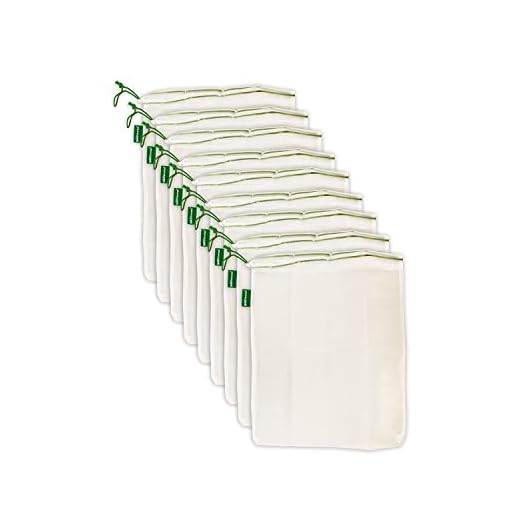
Roast once. Use leftovers across days. Day one: hot on the plate. Day two: toss into salads or bowls. Day three: fold into omelets, grain salads, or soups. These containers help. They stack. They keep food bright.
Roast and pickle tips
One-pot moves
Pantry staples & swaps
You will find that small choices shape big meals. Use what is fresh. Trust simple methods.
Community, Sustainability, and Your Role
The quiet ripple you start
When you join the CSA, you change more than your plate. You keep a farm in business. You support soil that feeds the next season. You protect insects and birds that live on the edges. Your share adds steady dollars. That lets the farm plan crops, save seed, and care for the land.
How the farm works for the long haul
Stone Acres uses simple, smart methods that last.
These moves cut chemical use and build life in the dirt. They pay off in taste and resilience.
How you can show up
You do not need a degree. You need time and curiosity.
Small acts add up. The farm feels it. So do your neighbors.

Waste: cut it at home
Waste is food’s last chance. Save it.
Your choices change things
You vote with your hands and your fork. Eat what’s in season. Bring extras to a potluck. Offer your time. Buy less, use more. That is how the farm and you grow together.
Next, make Stone Acres yours.
Make Stone Acres Yours
Join the CSA. Visit the farm. Pick a crate. Try a simple roast of beets, carrots, and onions with oil and salt. Taste the soil in every bite. Eat with the season. Cook what you get. Learn the names of your growers. Ask how it was raised.
Your choices shape the land. Your plate sends a message. Support care, not cheapness. Share a meal. Bring Stone Acres to your table this week. Sign up, visit, or make one recipe. Taste the work. Taste the care. Then tell someone. Taste the difference now.




I appreciate the community aspect in the piece. The bit about volunteering felt authentic. That said, would love more specifics on time commitments — is it a few hours/month or more like weekly?
I volunteered last season—they had one big harvest weekend that used extra pairs of hands; otherwise it was optional market shifts. Flexible overall.