


Bring Local Goodness Home
You want food that tastes like the place it grew. You want eggs from hens you can trust. You want flowers that lift your room. This piece shows how Irvington CSA produce, Indiana fresh eggs, and seasonal flowers fit into your life. It tells you what to expect and how to bring them home with ease.
Irvington CSA brings you real food. It is simple. It is seasonal. It connects you to soil and to the people who work it. You will learn what box to expect and how to use each item.
Learn to pick, store, and cook eggs. Learn to cut flowers, care for stems, and make bouquet. Bring home what matters. Eat well.


Indiana farmer runs a chicken-rental business to help you find eggs
Meet Irvington CSA: What It Is and Why It Matters
What a CSA Is
A CSA (Community Supported Agriculture) is a simple pact. You buy a share before the season. The farm plants and tends crops. You get a portion of the harvest. You share the risk. You share the bounty. You eat what grows when it is ready. You learn the rhythm of the land.
How Irvington Works
Irvington runs on short farms and clear rules. Shares come weekly or biweekly. You pick full or half shares. You grab your box at a neighborhood pickup or the farm. Some seasons let you add eggs or flowers. Farmers send updates. They tell you what to expect each week.
You will pay up front or in installments. That money helps the farm buy seed, pay workers, and cover weather surprises. If a storm cuts a crop, everyone shares the shortfall. When the sun shines, you get fresh picks at their peak flavor.
Why It Matters to You
You cut food miles. That matters for taste and the planet. Produce travels less. It sits less. It tastes brighter. You back local farmers. Your dollars stay in your neighborhood. You build ties. You learn who plants and who harvests. You see the season change in your box and in your kitchen.
How to Get the Most from Your Share
Sign up early. Pick a share size you can use. Bring sturdy bags and a cooler for hot days. Read the farm note each week. Plan two to three meals around the box. Preserve the excess: quick blanch-and-freeze, ferment, or roast then freeze.
One real tip: if you get a crate of tomatoes, cook them the same day. Your sauce will taste like summer. Or trade an item with a neighbor. This is how a season becomes food you love and share.
Next, we’ll look closer at what you can expect inside that box.
What to Expect from Irvington CSA Produce
What you’ll find
You will get a mix each week. Crisp greens. Sweet tomatoes. Peppers that smell of sun. Root vegetables with dirt still clinging. Herbs that snap. Some weeks lean heavy on greens. Other weeks bring lots of roots. The box changes with rain, heat, and frost. The quality is fresh and honest. The taste is clear.
How it grows, is harvested, and packed
Farmers plant for flavor, not shelf life. They harvest by hand when crops are peak. They cool leaves fast. They pack to protect, not to hide. You may see imperfect shapes. You may see a bit of soil. That means the food traveled from field to box quickly. Some shares let you add eggs or flowers. Farmers often send a note on harvest timing and tips.
Quick ways to inspect and store
Use your eyes and touch. Look for firmness. Smell the greens. Avoid slimy leaves. Wash just before use, not before storage when you can. Store like this:
A quick real trick: when you get beets with soil, roast them unpeeled. The skin slips off with a towel. You save time and get better flavor.
How the season shapes your meals
Spring gives you ramps, lettuces, and tender greens. Summer brings tomatoes and cukes. Fall offers squash and stored roots. Winter boxes are heartier and storable. Plan two meals around each box. One raw. One cooked. Freeze tomato sauce. Pickle a few cucumbers. Roast a tray of roots for lunches.
You will learn to cook by the week. You will learn to swap and trade with neighbors. In the next section, you’ll get tips on choosing and keeping eggs — how they pair with your fresh produce and what to do when you get more than you can eat.
Indiana Fresh Eggs: How to Choose, Store, and Use Them
Why Indiana eggs taste different
You notice it fast. The yolks are bright. The whites hold firm. Indiana hens eat grass, bugs, and kitchen scraps when they range. That mix shows up in the yolk. Farms turn eggs fast. Less travel means fresher texture and scent. A farm-direct egg tastes like the pasture it came from.
Read labels and ask the right questions
Labels are short. Ask longer questions.
Ask: How often do you collect eggs? Are they washed? What do hens eat? These answers tell you how to store and how they will taste.
Storing eggs the smart way
If eggs are washed, refrigerate. If unwashed and the farmer says so, you can keep them at cool room temp for a short time. Still, cold slows decline.
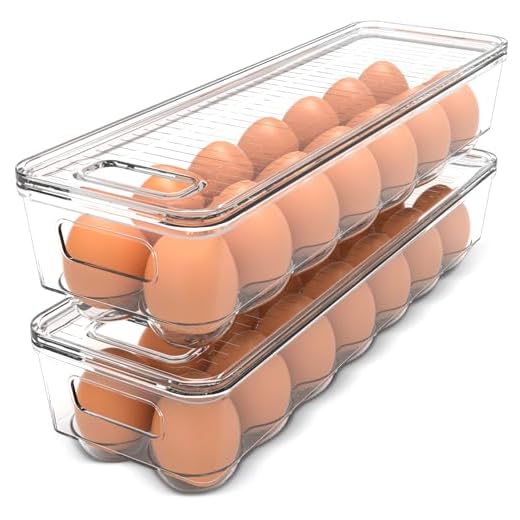
Keep eggs on a middle shelf, not the door. Use the carton or a rigid container to prevent jostling. Mark the date on the carton when you get them. Use older eggs first.
A clean, stackable box saves space. It keeps eggs from breaking and makes your fridge neat. If you plan on a week of breakfasts, hard-boil half the dozen. They store well.
Quick ways to use eggs that show their flavor
Eggs are simple. They highlight fresh produce.
Try this: toss blistered cherry tomatoes, torn basil, and a soft-boiled egg on toasted sourdough. Salt. Eat.
Pairing eggs with your CSA box
Eggs add protein and shine. Use them to lift bitter greens. Fold them into warm roots. Drop eggs into soups for weekend lunches. They stretch the box. They make simple food feel whole.
Next, you’ll learn how seasonal flowers can dress that table and set the mood for these meals.
Seasonal Flowers: Pick, Care, and Display
What blooms when
Spring brings peonies and tulips. They arrive fat and fragrant. Tulips bend and dance in a vase. Peonies open like small suns.
Summer brings daisies, zinnias, and bright marigolds. They stand up to heat. Zinnias glow on the table. Daisies last and cheer.
Vase life (typical):
How to pick stems
Pick firm stems. Avoid petals with brown edges. Choose buds that are slightly closed for longer life. Cut in the cool hours of the day. Ask the grower when stems were cut. Fresh-cut stems last.

Prep stems and keep them fresh
Use clean tools. A pair like Fiskars Micro-Tip Pruning Snips cuts clean stems. Strip leaves that sit below water. Cut stems at a sharp 45° angle. Use a clean vase and room-temperature water. Add flower food to feed blooms and slow bacteria.
Change the water every two days. Re-cut stems by about 1 cm each time. Keep flowers away from ripening fruit and direct sun. If tulips keep bending, give them taller water or a sturdier vase.
Quick tips:
Simple designs that look rich
Flowers lift a room
You walk in. Color grabs you. The scent calms you. Studies show flowers boost mood and reduce stress. A small vase on the table changes the whole kitchen. Next you will learn how to pair these stems with your CSA meals and egg dishes.
Bringing It All Home: Pickup, Storage, and Simple Recipes
Schedule and pickup
Pick a day and stick to it. Sign up online or call. Note pickup windows. Ask about early-morning cool pickups. Bring a tote and a cooler if you can. If you use delivery, give clear directions and a safe drop spot. Track the drop on your phone when possible.
Pack to protect eggs and flowers
Keep eggs upright. Use the original carton or a rigid egg carrier. Tuck the carton into the center of your cooler or insulated tote. Use a cold pack on one side, not on top. Handle eggs last when loading the car.
Wrap flower stems in a damp paper towel. Cover the towels with a loose plastic sleeve. Carry stems upright in a tall container. For long drives, put stems in a jar of water or use floral tubes.
For transport, an insulated tote wins. Big names range from the high-end YETI Hopper Flip to the budget-friendly Coleman soft coolers. Choose what fits your trips.
Store produce to stretch freshness
Sort produce fast. Remove bruised items. Keep ethylene producers (apples, pears) away from sensitive greens. Use the fridge crisper with proper humidity: loose for fruits, higher humidity for leafy greens. Dry herbs? Treat basil like cut flowers. Store carrots in water to stay crisp. Use a salad spinner or a perforated container for washed greens.

A fridge thermometer helps. Aim for 34–40°F in the main compartment. Label and date when you put things away. Rotate older items to the front.
Five quick recipes and pairings
Stretch, swap, and avoid waste
Freeze surplus berries in a single layer. Blanch and freeze greens. Make stock from carrot peels and stems. Swap extras with a neighbor or a food-share group. Host a trade day. Label surplus and post on community boards. Small swaps cut waste and build bonds.
Now you have the tools to bring home your share fresh and ready. Next, you will find simple next steps to keep this going.
Your Next Steps
You can bring Irvington CSA produce, Indiana eggs, and seasonal flowers into your life. Join a share or visit a farm stand. Ask the farmer questions. Learn what to store and how. Cook with few props. Let the season steer your meals. Taste is the guide. Meals will be fresh. Flavors will be bold. Small joys will come each week.
Start simple. Pick up your share. Put eggs in a cool spot. Chop vegetables and roast or sauté them. Trim stems and change their water. Share a bowl. Invite a friend. Keep it steady. You will find routine, good food, and a small lift in your day. Start now; make a week of it and notice daily.





Huge fan of the egg storage tips. Quick story: I used to keep eggs in the fridge door until I bought a Clear Stackable Egg Container with Lid (pack of 2) — game changer. Now they stay cold, don’t roll around, and stacking is so satisfying 😂
Recipe idea: soft-scrambled Vital Farms eggs with chives and a spoonful of ricotta — quick, fluffy, and feels fancy. Also, those Five-Piece Leakproof Fruit Storage Containers are great for prepped berries from the CSA.
P.S. floral care: Floralife packets are legit — I always keep a few for bouquets.
Yes please do the method — and include temp tips if you have ’em.
Love the recipe, Olivia — ricotta + eggs is brilliant. Good tip about the fruit containers; they really help with washed berries when you’re meal-prepping.
If anyone wants, I can post a 5-min soft-scramble stovetop method in the replies — super quick and uses minimal dishes.