


Welcome to Snake River Fruit
You will walk into sun and soil. The Snake River grows fruit with clear taste. Cold nights and hot days make sugars sing. The soil is old and spare. Water from the river gives life. You will feel the difference when you bite.
This guide points you to Kelleys Canyon Orchard apples and the best cherry sites in Idaho. You will get sharp tips on when to pick. You will get a plan for gear, travel, etiquette, storage, and simple recipes. Bring a basket. Bring good shoes. Taste the river fruit. Share the fruit and stories with friends today, too.


Symms Fruit Ranch: Idaho Cherries Harvest
Why Snake River Grows True Fruit
Land and light
You must know the land. Sun hits hard on the plain by noon. Nights cool fast. That swing forces sugar into the fruit and keeps acids bright. On a warm ridge you will find late-ripening apples with tight flesh. In a low river flat you will find early cherries that ripen fast.
Soil and water
The ground here drains. Coarse sand and old volcanic loess let roots breathe. Water from the Snake feeds deep roots through canals and drip lines. Where the soil sits shallow, fruit skews firm and small. Where the river leaves fine silt, fruit swells and sweets can hide behind loose skin.
Elevation and microclimate
Small rises change everything. A ten-foot rise can cut frost risk. A canyon wall will hold heat into the night. You will see orchards planted by elevation to stretch the season. Growers in Kelleys Canyon plant low for early cherries and high for apples that store well. Note the aspect. South-facing slopes ripen first. North-facing trees keep acid longer.
How to read the orchard
Walk rows. Look and touch. Use these quick checks to pick the best spot and time.
Start at the top of the block. Move down as you see more color. Watch how wind and shade shape each tree. This is how you read the orchard before you pick.
Know Kelleys Canyon Orchard Apples
Common types you will meet
Kelleys Canyon grows the workhorse apples. You will see Fuji, Honeycrisp, Gala, Braeburn, Granny Smith, Rome, Cortland, and Jonagold. Each has a clear job. Fuji stores. Honeycrisp shines fresh. Rome holds its shape in heat. Cortland resists browning.
How the trees hold fruit
Apples sit on short spurs. Some hang alone. Some come in pairs. Fruit near the branch tip shows color first. Heavy clusters hide color. Look inside the canopy. Reach gently. You want the apple that faces the sun.
Tell ripeness by color, smell, and feel
Color: check the background and blush. A green ground turning yellow means sugar. Smell: ripe apples smell sweet and bright at the stem. Feel: press with your thumb. A ripe apple gives a fraction under firm pressure. Avoid soft spots. They bruise in your hand and in your sack.
Quick uses: pie, sauce, fresh
How to pick without bruising
Suggested gear: Fiskars hand pruners for tight stems. 40-lb plastic lugs or corrugated apple boxes for bulk. Atago PAL-1 works if you test brix in the field.
You will leave the orchard with firm fruit if you pick slow and handle well. Next, you will learn where the best cherry sites hide in the canyon.
Idaho Cherry Picking: Find the Best Sites
Where the trees hide
You will find orchards near the river and on the slopes. Flats warm at night. Slopes get more sun by day. Sweet cherries like Bing and Rainier sit on warm, sunny faces. Tart fruit such as Montmorency fares well where soil drains fast. Walk the rows. The best blocks face south or west.
Read the farm and the signs
Farms post simple signs. Look for variety names on stakes. Green tags mean ready. Red tags mean closed or treated. No entry signs are serious. Ask at the stand if you are unsure. Many farms welcome a quick taste, but ask first.
How weather shapes fruit
Sun feeds sugar. More sun means larger, sweeter cherries. Heavy spring rain swells fruit and can split it. Dry springs yield smaller cherries and tighter skins. A wet bloom can cut yields. Watch the season notes at the farm stand. They often post harvest updates.
Tell ripe cherries at a glance
Ripe cherries show full color. They feel firm with a little give. The stem stays green and attached. Test a stem. Hold the fruit and pull gently. If the cherry comes off clean with its stem, taste it. A true ripe cherry will snap with a bright, sweet bite.
If the fruit peels or the stem tears, it needs more sun.
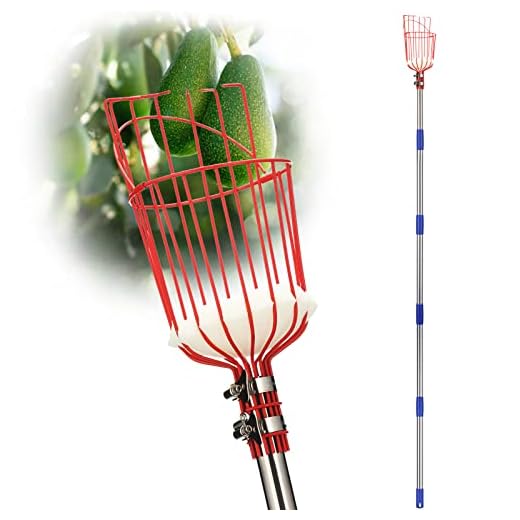
If fruit hangs high, reach with a tool. Try the Adjustable Fruit Picker Pole with Metal Basket which saves strain and keeps fruit whole.
How farms sell and what to expect
Move from site choice to picking technique. Next you will learn when and how to pick for peak flavor.
When and How to Pick for Peak Flavor
Pick in the cool hour
You must pick when fruit is cool. Heat pulls sugar to the skin. Fruit softens and bruises in noon sun. Aim for early morning. Before 9–10 a.m. is best on hot days. A farmer I know starts at dawn and fills the cooler by 8 a.m. You will taste the difference.
Read the fruit
Look, feel, smell. Apples show a change in ground color. They lift off the spur when ready. Lift. Twist. The stem stays on the tree or comes clean. Cherries show full color and a green stem. Pull with a short stem to protect the branch. If the stem breaks off and the flesh tears, it needs more sun. Smell the fruit. A ripe apple or cherry will smell sweet at the stem end.
Handle like a pro
Use gentle hands. Keep fruit single layer when you can. Do not drop or cram. Tossing or heavy stacking causes bruises and invites mold.
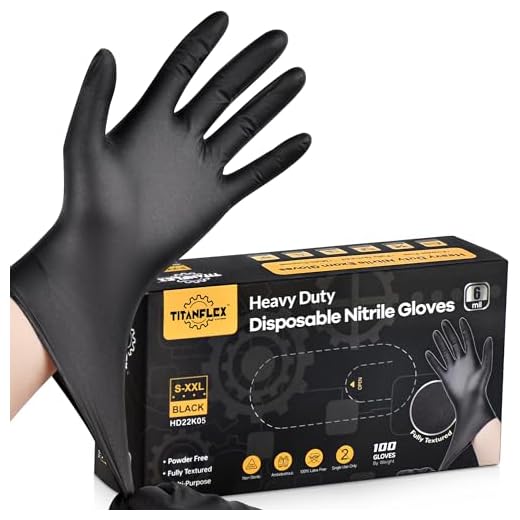
Carry clippers or bypass pruners for long stems. Bring soft gloves if you pick a lot. If fruit hangs high, use a pole picker. Short picks save the branch and the crop.
Follow these steps and you will keep fruit firm and sweet from tree to basket.
Plan Your Trip: Gear, Travel, and Farm Etiquette
Pack smart
You will pack the night before. Lay out boxes, a cooler, gloves, water, and sun gear. Bring sturdy shoes. Bring a hat and sunscreen. Bring a marker and tape for boxes. A small first-aid kit helps.
What to bring (quick list)
Travel and loading
Load coolers first. Place them low in the car. Crates go on top. Pad gaps with towels. Keep fruit in one layer when possible. Drive steady. Avoid sudden stops. A neighbor once slid a crate and lost a whole box. Learn from that. Tie boxes in place on long trips.
At the farm: rules and manners
Ask for rules at check-in. Pay for what you pick. It is simple and fair. Stay off planted rows unless told. Keep paths clear for tractors and other people. Pick quietly. Talk low. Leave gates as you found them.
Watch your step and the bees
Fields have uneven ground. Walk slow on wet slopes. Watch for holes and rocks. Bees like blossoms. If bees come, move back slowly. Do not swat. Most bees ignore you if you stay calm.
A stress-free day plan
Follow this plan and you will leave with good fruit and good memories.
Use and Store Your Harvest: Simple Ways to Save and Serve
Cool and sort fast
You act fast after picking. Shade the fruit. Move it into a cooler or fridge within two hours. Pull out bruised or overripe pieces. They speed rot. A bad apple ruins a crate.
Short-term storage: apples vs. cherries
Quick ways to keep and serve
Bake a simple apple crisp. Slice apples. Toss with a little sugar and lemon. Top with oats, butter, and bake 30–40 minutes. For cherries, make a galette. Fold dough around pitted fruit and bake.
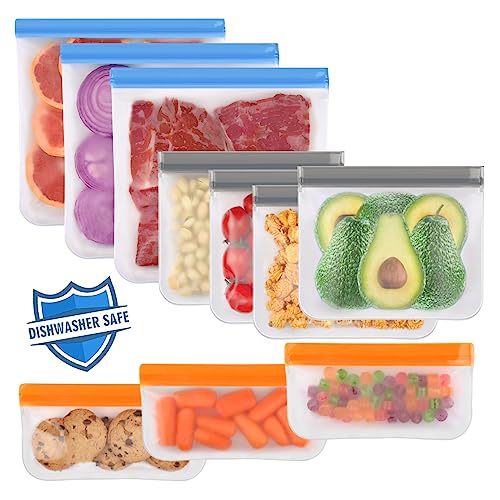
Freeze for smoothies or pies. Slice apples, toss with lemon and sugar, flash-freeze on a tray, then bag. Pit cherries and freeze loose for easy use.
Dry fruit for snacks. Slice thin. Dry at 135–145°F until leathery.COSORI Food Dehydrator, Five Stainless Steel TraysA dehydrator gives steady heat and saves time. Or use your oven on low with the door cracked.

Simple cider and jam with few tools
Cider: blend chopped apples with a little water. Strain through cheesecloth into a bowl. Chill and drink. For fermentation, add cider yeast and follow a basic recipe online.
Jam: weigh fruit and match sugar to fruit weight. Cook down with a squeeze of lemon and a small pot. Use Ball Mason Jars and a hot-water bath. No pectin needed for a soft-set jam.
Sell or share extra
Pack good fruit. Use simple tools. Share surplus with friends. Then move on to the final steps in the Conclusion.
Go Pick and Keep It Simple
You know the land. You know the orchards. You know the trees. Move slow. Look close. Choose ripe fruit. Lift with care. Keep stems. Keep cool. Fill a basket. Share the work. Share the fruit.
Bring calm. Watch sun and wind. Note when flavors peak. Pack fruit to protect it. Bring a sharp knife and a simple cooler. Taste one now. Taste more at home. Let the river’s work speak through your hands proudly.




Loved the practical tips here — especially the section on when to pick for peak flavor. I bought the Adjustable Fruit Picker Pole with Metal Basket last year and it saved my back (and my apples). The COSORI food dehydrator is also a game-changer if you want to turn extras into snacks.
Quick note: the Organic Orchard Tree Gardening Guidebook for Growers linked in the article is super helpful for newbie grafting questions. Highly recommend if you’re thinking about planting those Two Wild Black Cherry Live Plants, Dormant ones.
Yep — that picker + nitrile gloves = less scratched arms and more fruit. Also fyi, the COSORI trays are roomy, but pre-slice thicker fruits for even dehydration.
Thanks, Maya — glad the picker worked out for you! The guidebook is a solid intro for grafting and seasonal care. If you share a pic of your setup we can highlight it in a future post.
Agree about the guidebook. It helped me figure out when to thin my trees to improve apple size and flavor.
Article vibes: ‘Go Pick and Keep It Simple’ — me: buys dehydrator, three types of pickers, nitrile gloves in bulk, and a gardening guidebook. Whoops. 🤦♀️
But seriously, solid read. The ‘Use and Store Your Harvest’ section convinced me to try dehydrating more.
Haha, Ivy — we’re glad the article inspired a (mild) shopping spree. Dehydrating really stretches your harvest season.
You’re not alone. I keep telling myself it’s ‘investing in future snacks.’
Planning a weekend trip and not sure whether to buy the Adjustable Fruit Picker Pole with Metal Basket or rent at the farm. Is renting cheaper usually? Also slightly worried the basket will bruise softer cherries — anyone tried it?
Love the travel tips in the article — the bit about etiquette being more than ‘don’t steal’ was helpful.
Some farms rent gear, others don’t. Renting can be cheaper if you only pick once. For softer cherries, use a gentler picker with a soft cup (telescoping grabbers) rather than a metal basket.
Metal basket = apples/pears. For cherries, it WILL bruise unless you use a soft insert. I carry both options in my trunk.
If you’re traveling, renting saves luggage space. Check the farm’s reservation page or call ahead.
If the farm rents, ask if it’s included with your admission. I rented once and it was free, other times it was a small fee.
I appreciated the ‘Know Kelleys Canyon Orchard Apples’ section — very specific varietal notes. One tiny addition I’d suggest: a quick harvest calendar graphic would help people planning trips from out of state.
For those growing, the Organic Orchard Tree Gardening Guidebook for Growers helped me time my pruning. Small tip: mark blooms with a ribbon when they open so you can estimate ripening windows.
Ribbon trick = brilliant. I usually forget which trees I thinned. Doing this next spring.
Great suggestion, Lena — a harvest calendar is on our list for future posts. Love the ribbon trick, simple and effective!
This was fun to read! A few typos I noticed, but overall good. 😄
Picked cherries last season with friends and we used TitanFlex Heavy Duty Black Nitrile Gloves — 10/10 would recommend (less mess!). Also, telescoping pickers are a godsend when you’re short like me.
P.S. Travel tip: pack wet wipes. You’re welcome.
Also bring a cloth bag for fruit — breathes better than plastic.
Thanks for the heads-up on typos, Rachel — we’ll proofread and fix them. Wet wipes are indeed essential. Glad the gloves worked for you!
Wet wipes + hand sanitizer = orchard survival kit.
Short and sweet — this made me want to drive to Idaho tomorrow. Great tips about peak flavor timing!
Happy to hear it, Samuel! Check orchard hours before you go — many have updates on social media about peak picking days.
If you go, bring dehydrator supplies. COSORI is perfect for on-the-road snack prep later 😂
Long post incoming ’cause I have feelings about preserving fruit:
1) If you have loads of cherries, slice and freeze them on a tray first (no clumps) before bagging — so underrated.
2) The COSORI Food Dehydrator, Five Stainless Steel Trays is worth the splurge if you want even drying and less plastic smell.
3) TitanFlex nitrile gloves for pitting — saved my fingernails.
Also lol at the idea of me planting Two Wild Black Cherry Live Plants, Dormant and becoming a backyard orchard overnight. Maybe next season! 😊
I do the same tray-freeze method with berries. Dehydrator + vacuum seal = snack stash for months.
Fantastic preservation tips, Hannah. Freezing on a tray then bagging is a pro move. We may add a ‘preserve like a pro’ sidebar with those steps.
Which setting do you use on the COSORI for cherries? I hate when they’re still leathery after hours.
Me climbing ladders vs me with the Telescoping Pomelo and Orange Picker, 35–95 Inch:
1) Climbing: dramatic, dangerous, adrenaline.
2) Telescoping picker: boring, safe, more cherries in bag.
Conclusion: Telescoping picker wins every time. Also, pro tip — wear TitanFlex Heavy Duty Black Nitrile Gloves, they’re surprisingly grippy and cheap. 😂
Love the dramatic framing. Safety first — those telescoping pickers are underrated. The nitrite gloves are great for sticky fruit and handling twine.
Carlos — I have both. Metal basket is sturdier for apples/pears; telescoping with softer grabber is faster for cherries/citrus. Depends on your target fruit.
Oliver, did you get the picker with the metal basket or the softer grabber? I’m torn between the Adjustable Fruit Picker Pole with Metal Basket and the telescoping one.
This is the kind of solid, practical advice I came here for. Haha.
Agreed! Hit a squirrel while reaching too far last season. Telescoping saved my life (and my dignity).
Solid article but a few more specifics about ‘When and How to Pick for Peak Flavor’ would be great — like Brix levels or simple tactile tests for people who don’t want to carry a refractometer. Also, any legal restrictions on bringing your own dehydrator to a farm picnic? 😅
Also: don’t leave appliances unattended. Farmers are understandably cautious about liability.
Thanks Marcus — good call. We’ll add simple ripeness checks (color, firmness, taste sample, seed color) for readers who don’t use a refractometer. As for bringing a dehydrator, that’s usually fine for a personal picnic but check farm rules about open electricity or using shared outlets.
Some farms have picnic areas with outlets. I’ve seen people bring small electric appliances, but I always ask staff first.
For Brix-free checks: taste is king. If it tastes sweet and the seed’s brownish, you’re likely good.
Not trying to hate, but I’m skeptical about ordering Two Wild Black Cherry Live Plants, Dormant online. Anyone actually had success getting a live plant shipped and alive? Shipping stress + dormancy sounds dicey.
Also, do farms usually allow you to use your own harvesting tools? I don’t want to show up with a giant pole-picker like some weirdo lol.
I’ve ordered a few dormant shrubs before, arrived fine. Packaged well. But agreed — read the return policy and shipping window. If it’s too warm during transit, plants can wake up and get stressed.
I once brought a telescoping picker and the farmer laughed but said it was fine — as long as you weren’t blocking pathways or leaning on trees. Common courtesy goes far.
Most U-pick spots will have signs about tools. If in doubt, bring small things (gloves, hand pruners) and ask at check-in before using big gear.
Good question, Ben. Many folks do get dormant plants shipped successfully — timing matters (late winter/early spring is best) and check merchant reviews. As for farm rules: always check farm etiquette in advance. Some farms prefer you use their equipment to avoid liability, others are fine if you ask.
Nice roundup. One point I’d emphasize more: farm etiquette. Bring your own trash bag, respect marked-off trees, and don’t take more than you paid for. Pack water, wear sunscreen, and maybe bring a small first-aid kit if you have kids.
Also, if you’re traveling far, check travel times — some orchards close earlier on weekends when they run out.
Adding: always park in designated areas. Farmers need access for equipment and deliveries.
Totally agree, Priya. We’ll add a short etiquette checklist to the article in an update. Thanks for calling that out.
Quick Q: after picking, what’s the best short-term storage if you don’t have a dehydrator yet? The article mentioned simple ways to save and serve but any pro tips? Also, is the COSORI much better than cheap countertop models?
Thanks!
If you’re short on fridge space, consider canning or quick jams. The guidebook has simple canning pointers too.
Also vacuum sealing helps if you have a vacuum sealer. Freeze cherries flat on a tray first to avoid clumps.
Great question, Ethan. Short-term: store cherries/apples in a cool place or fridge asap, unwashed until ready to use. For apples, an airy crate lined with paper in a cool basement works. COSORI tends to be more reliable and consistent than cheaper models, especially for thicker slices.
Idaho cherries are unreal. The article captured the flavors well. I’m ordering the Two Wild Black Cherry Live Plants to plant in the backyard — fingers crossed they adapt to my climate.
Best of luck with the plants, Zoe! Check the plant hardiness recommendations and soil prep tips in the guidebook before planting.
If you have chilly winters, make sure to protect the roots your first season and water well before dormancy.