


Will you take the rock-steady baker that never quits or the clever machine that wows your guests?
Fresh bread at home beats takeout. You want easy, reliable loaves. This guide pits two Amazon bread makers so you can pick what fits your kitchen and skill. Read fast. Decide easy. Enjoy warm slices and smug smiles. Right now.
Beginner Friendly
OSIPOTO BM8205 Bread
KBS 19-in-1 Bread
OSIPOTO BM8205 Bread
KBS 19-in-1 Bread
OSIPOTO BM8205 Bread
KBS 19-in-1 Bread
KBS 17-in-1 Bread Maker — Our Honest Review
Key Specs at a Glance
Loaf size and power
You can bake a 2 lb loaf in either machine. That fits most family needs. The OSIPOTO runs at 600 W. The KBS steps up to 650 W. More watts mean firmer kneading and a stronger bake.
Programs and special modes
You want presets that match your diet and skill. OSIPOTO gives 17 presets. KBS gives 19 presets and adds clear sourdough and gluten-free modes. KBS also offers deeper programmability for custom stages.
OSIPOTO — quick facts


KBS — quick facts

Use these specs to rule out mismatches
These facts should help you dismiss the wrong model fast.
Side-by-Side Feature Comparison


Baking Performance and Final Loaf
Rise and loaf shape
OSIPOTO gives a steady rise. White loaves reach full height. Whole wheat sits a touch lower but bakes through. Quick breads rise well. Loaves come out tall and square. The paddle leaves a small central tunnel on rare runs.


KBS pushes dough harder. White and whole wheat rise higher. The crumb is airier. Quick breads are consistent. Loaf tops are more domed. You get a more bakery-like profile when formulas are right.


Crust, crumb, and consistency
OSIPOTO makes even crusts. They brown to a medium color and stay thin. Crumb is tight and moist. You get uniform slices. Texture suits sandwiches and toast.
KBS delivers a thicker crust if you choose it. You can hit pale or deep brown. Crumb opens more. The crumb can be slightly uneven with very wet doughs, but is generally soft.
Sourdough and gluten-free
OSIPOTO lacks a dedicated sourdough program. You can bake sourdough, but you must adjust proofing outside the machine. Gluten-free loaves work but need trial and error.
KBS includes sourdough and gluten-free presets. Sourdough benefits from the programed rests. Gluten-free bakes better out of the box. Still, you may tweak hydration.
Kneading noise and handling
OSIPOTO runs quiet. You can knead at night with no fuss. Paddle removal and pan cleanup are easy.
KBS kneads with more growl. It works harder. You feel that in longer kneads. Pan and paddle need firmer pulls on some units.
First-timer success and repeatability
OSIPOTO gives you steady wins. It is forgiving. You will bake good bread fast. KBS rewards care. You get bigger gains once you tune recipes. Both repeat results once you learn their quirks.
Controls, Ease of Use, and Care
Control panel and setup
The OSIPOTO panel is simple. Big labels. Few choices. You add ingredients, press a menu, press start. You can set a basic loaf in 2–3 minutes.
The KBS panel packs more options. It can do 19 programs and custom stages. Setup takes a bit longer if you tweak times. You trade speed for control.
Timer and keep-warm
OSIPOTO gives a 15-hour delay timer. It is reliable for overnight starts.
KBS also offers a 15-hour timer and adds a 1-hour keep-warm. Use that if you need hot bread right after the bake.
Cleaning and pan care
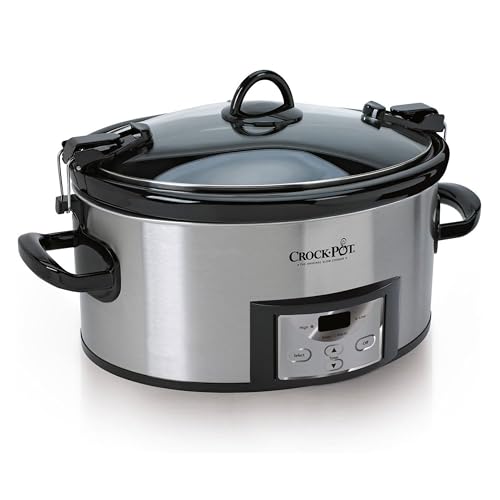
OSIPOTO has a nonstick pan. It cleans fast by hand. Do not use metal tools. Parts are hand-wash only.
KBS uses a nonstick ceramic pan and lists dishwasher-safe accessories (spoon, cup, paddle). Ceramic resists scratches better. It still benefits from gentle care.
Noise, weight, and storage
OSIPOTO runs quiet. It weighs about 11.7 lb. Easy to tuck under a counter.
KBS hums louder during long kneads. It is about 12.4 lb and a bit bulkier. You will notice the extra heft when you move it.
Recipes and support
OSIPOTO aims at beginners with clear presets and basic recipes. You get fast wins.
KBS bundles more recipes and deep programmability. It helps you learn sourdough and gluten-free steps. Support leans toward power users who want to tweak stages.
Price, Value, and Who It’s For
Price vs features
Both sit near the $100 mark. Both give strong value. OSIPOTO keeps things simple. KBS packs more programs and a stronger motor. Pay the same. Get different tools.
Do you need sourdough or gluten-free?
If you bake basic white, whole wheat, or quick breads, OSIPOTO covers you.
If you want sourdough, gluten-free, yogurt, or jam cycles, KBS gives real options. KBS also lets you tweak stages for complex recipes.
Warranty, extras, and long-term cost
Check the seller warranty before you buy. Replacement paddles and pans add cost over time.
OSIPOTO: simple nonstick pan. Easy to clean. Fewer parts to replace.
KBS: ceramic nonstick pan. Dishwasher-safe accessories cut cleanup time. Ceramic resists scratches longer but may cost more to replace. Higher wattage means firmer kneads and maybe a bit more electricity.
Who should buy which
Pick OSIPOTO if you want a simple, solid starter machine with reliable loaves. Pick KBS if you want more programs, a ceramic pan, and sourdough options.
Final Verdict
You want simple. Choose OSIPOTO — the clear winner for ease and high success.
You want more programs, a ceramic pan and sourdough support? Pick KBS. Both make great loaves; you will bake excellent bread every time with ease.



A couple of practical questions:
– Can either handle seeds/olive chunks well?
– How easy is it to remove the loaf without crumbling?
I bake a lot with add-ins so wondering about kneading power and pan shape.
I use OSIPOTO with olives and seeds — add on the beep and it’s solid. The paddle leaves a small hole but nothing dramatic.
Good practical points. Both machines can handle add-ins; some users recommend adding add-ins during the beep to avoid over-kneading. Pan shape is typical rectangular; crust removal is easier with nonstick ceramic (KBS) but OSIPOTO’s nonstick is fine too.
Humor me: is a 2lb loaf ever a bad idea? 😂
Kidding aside — the OSIPOTO sounds more ‘beginner friendly’ while KBS is for people who want to experiment. For someone like me who burns bread occasionally, I’m leaning OSIPOTO.
Same. I prefer smaller loaves personally but 2lb gives leftovers for sandwiches — worth it!
You’re not alone — 2lb is big but great for families. OSIPOTO is indeed more plug-and-play.
A bit of constructive feedback on the article: would have loved more photos of the control panels and the crumb texture of final loaves.
That said, the feature list comparison was helpful. Maybe a quick ‘best for’ summary per use-case would seal the deal.
Great suggestion — adding control panel photos and crumb shots is on our update list. Appreciate the input!
Yes! Visuals would help decide between the two — charts are nice but pics sell it.
Price/performance question: is the KBS generally pricier because of more programs and ceramic pan? Or are they comparable in price range?
Typically KBS might be a tad more expensive due to added programs and ceramic pan, but pricing varies with sales. Check current deals — sometimes OSIPOTO is on discount and flips the value equation.
I compared prices last month — KBS was slightly higher but not by much. If you need sourdough support, the extra is worth it.
Watch holiday sales — both go on good discounts.
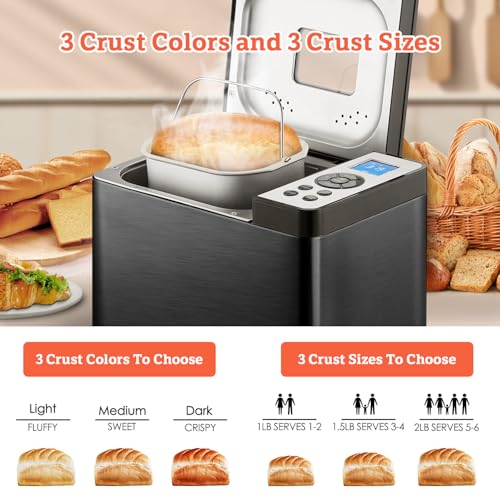
Not a baking expert but the KBS recipes included seem nicer. The ‘3 crust colors’ option on KBS is cute — does anyone actually use it or is it just cosmetic?
I use medium crust for sandwiches and dark for artisan-style loaves. Little control, big difference for me.
Many users use it to tweak crust darkness; for some breads it matters, for others it’s barely noticeable. It’s a convenient feature though.
Concise review: if you bake once a month, go OSIPOTO. If you tinker weekly and want sourdough/gluten-free options, go KBS.
Anyone compared noise levels? The article says both are low noise, but I wonder how they stack in a small apartment.
Agree with Zoe. The differences are small unless you’re super sensitive.
I run my machine early morning in a studio — both are fine. OSIPOTO felt a bit quieter.
Noise is subjective, but in our tests both were quiet enough to run overnight without waking the household. KBS had slightly more motor hum on kneading.
Anyone tried making gluten-free bread in these? The KBS lists a gluten-free program; curious about success rates.
Gluten-free can be finicky and I’m not sure a default program will be enough.
I made GF loaves in a different machine and had moderate success — KBS’s GF program might save trial-and-error time.
Gluten-free breads can be tricky. A dedicated GF program like KBS offers tailored knead/rest/bake cycles which helps, but expect to tweak recipes for hydration and binding agents.
I’m torn. KBS has sourdough and gluten-free programs which sounds amazing, but ceramic pans make me nervous — anyone had issues with sticking despite ‘nonstick ceramic’?
Also the 650W vs whatever OSIPOTO uses — does power affect crust or bake time much?
Good questions. Ceramic can be excellent for even browning but can stick if scratched or if you don’t use a little oil. Power can slightly influence bake time and crust formation, but program calibrations matter more.
Power matters for how quickly it heats, but the machine’s firmware/timers make the bigger difference. KBS’s 1H keep warm is handy.
I had a KBS-ish machine with ceramic and never had sticking after I followed the manual (light coat of oil and don’t use metal tools). Worth it for the sourdough program IMO.
I want something low maintenance. How are the cleaning experiences? The OSIPOTO says ‘easy to clean’ and KBS has ceramic which sounds easy too.
OSIPOTO here — quick wipe and a soak for the pan, paddle can be a pain but it’s quick. No drama.
Both are designed to be user-friendly. Ceramic pans resist staining and are often easier to clean, but OSIPOTO’s removable nonstick pan is straightforward — avoid soaking the motor area and use warm soapy water.
Long message incoming — sorry not sorry.
I bought a cheap bread maker years ago and learned a lot the hard way (uneven kneading, weird crusts). Upgraded recently to a mid-range machine (not these exactly) and the difference in program control and build quality is night and day. From what I see, OSIPOTO is excellent value for beginners. KBS seems aimed at people who want to experiment (sourdough, GF). If I had to pick: OSIPOTO for ‘set and forget’, KBS for ‘tinker and tweak’. Also the ceramic pan is a plus for easy cleanup but can chip if mishandled. Keep knives/metal away.
Hope that helps — long but honest.
Really appreciate this — real-world upgrade experiences help a lot when choosing.
Love the pro tip about the ceramic pan chipping. Good to know before a purchase.
Fantastic detailed perspective, Grace — that long-form user view is very helpful. Thank you!
I have one minor complaint: the paddles leave a hole/cavitation at the bottom of the loaf. Is that standard for both models or one worse than the other?
I flip my loaf onto a rack and it’s hardly noticeable once sliced. Not a dealbreaker for me.
Yes, paddle holes are common for most loaf machines. Some users report KBS’s paddle is a bit slimmer, leaving a smaller hole, but it’s mostly cosmetic.
Great comparison — thanks! I actually own the OSIPOTO and it’s been super reliable for basic loaves. Quiet, easy to clean, and the beginner-friendly controls are legit.
One thing to note: the 17 programs are a bit repetitive, but the success rate for simple white and whole wheat is high. If you want sourdough though, the KBS looks more flexible.
I use the same OSIPOTO and agree — the standard loaf setting + a little extra knead time works wonders.
Thanks for sharing your hands-on experience, David — that’s exactly the kind of detail readers appreciate. Which loaf setting do you use most?
Bought KBS last month for the sourdough function and it’s been a fun experiment. Not perfect out of the box, but once I dialed the timings in, results are impressive.
Also love the 1H keep-warm — super helpful for late breakfasts.
What starter hydration are you using? I had to tweak mine a bit to avoid dense loaves.
That’s encouraging to hear from a user who tried the sourdough program. Any adjustments you made that you’d recommend to others?
Quick practical: does either machine have a child lock or safety features? Got curious parents here and want to keep little hands safe.
Mine doesn’t have a formal child lock, but the lid clicks and the machine sits heavy enough that kids usually can’t open it easily.
Not all models include a child lock — it’s more common on higher-end machines. Check specific model specs before buying if the lock is a must-have.
Love that the article compared timers and keep-warm features. Small things like a 15H timer really change routine planning.
PS: I accidentally set timer for 15 hours once and woke up to burnt garlic bread. Whoops 😅
Hah — timers are powerful tools when used right. Good reminder to double-check settings for specialty recipes like garlic bread.
Been there. Always set a reminder on my phone now.