


Why the Right Waffle Iron Matters
You want waffles that hit the mark. Crisp edges. Soft hearts. Steady results.
Choose the shape and style that fits your taste. Size and capacity must match your household. Build, heat, and performance shape the batter into gold. Ease of use and care keeps mornings calm. Buy smart. Test before you commit. Try recipes that make the most of your iron.
This guide cuts through the noise. It helps you pick a model that fits your habits, your kitchen, and your taste. You will learn what matters and what to skip right away now.

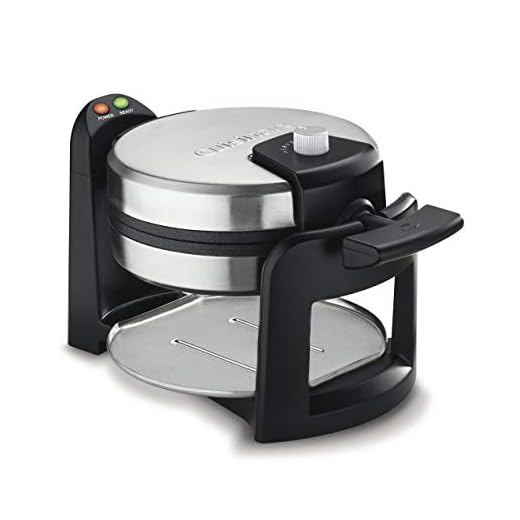
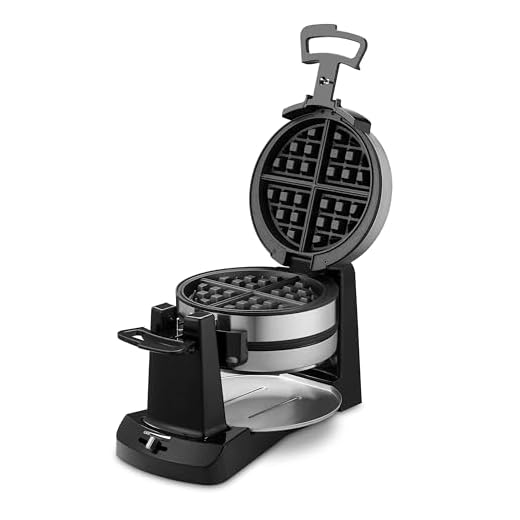

The Ultimate Waffle Maker Buying Guide: Choose Your Perfect Iron
Know the Types: Choose the Shape and Style
Belgian vs. Classic: depth and crunch
You will pick between deep pockets and thin crisp plates. Belgian grids make thick waffles with deep wells. They hold butter and syrup like small lakes. Classic grids make thin, crisp waffles that brown fast and stack easily.
If you like a waffle that acts like a plate for fruit and cream, go Belgian. If you want a quick, crisp breakfast that bites back, pick classic. Belgian irons take more batter and more time. Classic irons cook faster and use less batter. Think about your morning pace.
Shapes: round, square, heart
Shape changes the look and the serve.
A square waffle is easier to quarter for kids or crowds. A heart waffle fits a brunch theme. Pick the shape that fits your table and your style.
Flip or stay-put: evenness and ease
Some irons flip. Others stay flat. Flipping evens heat. It helps batter spread and cook well on both sides. It also splatters less and can be hands-on fun.
A stationary iron tends to be simpler. It is lighter. It is faster to clean if the plates are removable. If you bake for a crowd, a flip model can give more consistent results with less babysitting. If you cook one or two waffles, a clamshell model will do.
Match type to how you eat
Make your choice by what you serve and who you serve.
A quick test at home helps. Measure your batter volume. Time a cook. Note how the waffle holds syrup. Small steps early save money later.
Next, we will look at size and capacity so your iron matches your crew.
Size and Capacity: Match to Your Household
Pick by plate count
Think about plates and time. One grid makes one waffle fast. A double or multi-grid cuts batch time in half. If you feed a family of four, one waffle at a time means waiting. Two grids speed the line.
A single waffle maker suits you if you cook for one or two. It saves space. It heats quickly. A double or large grid fits hosts. It can make four or more servings in one go.
Read pattern, depth, and cook time
Plate shape is not just style. It controls batter and time. Deep pockets hold more batter. They make thick waffles. They take longer to cook.
Thin plates use less batter. They cook fast and crisp. Expect rough times like these:
Check the plate pattern, too. Wide grids give big wells for fruit and syrup. Fine grids brown more surface and crisp faster.
Mind the footprint and how you move it
Measure your counter. Big irons need space to open. They also need room to cool. If you store on a shelf, check height when closed.
Think about cord length and weight. A heavy iron makes quick work, but you will lift it to clean and store. A short cord may force you to use an extension. Note the hinge and handles. They should feel solid.
Quick, practical checks before you buy
Picture a weekend brunch. You want waffles on the table, not in shifts. A double grid gets you there. If you grab a midweek bite alone, a compact unit wins out.
Next, you’ll learn how build, heat, and performance shape the final waffle—how fast heat, steady pressure, and plate quality change what lands on your plate.
Build, Heat, and Performance: What Drives a Great Waffle
Plate materials: choose what you trade off
The plate sets the stage. Cast iron holds heat. It browns deep and even. It needs seasoning and care. Nonstick releases batter. It cleans fast. It wears over years. Stainless sits between. It resists wear and still heats fairly well. Pick the plate that fits your habit—hardwearing cast iron for weekend feasts, nonstick for fast weeknights.
Heat elements and temperature control
You want steady heat. A good thermostat keeps the temp where you set it. Variable heat lets you tune crust and color. Low for soft crumbs. High for bold edges. Watch preheat time. A quick iron gets to temp in minutes. Indicator lights and audible beeps save you guesswork.
Even heat matters more than peak heat. Hot spots burn the rim and leave a raw center. Flip-style irons or dual heating elements tend to spread heat. In tests, units with twin elements cook more uniformly. If you get a new iron, run a test waffle and watch the color from edge to center.
Pressure, seal, and hardware
Pressure controls thickness. A heavy lid presses batter down. You get even thickness and crisp sides. A flimsy lid warps. You see thin spots. The hinge must hold plates flat. A firm latch keeps alignment. Tight seals make clean edges and limit leaks.
Steam escape changes texture. Too much steam makes waffles limp. Too tight and steam traps, which can steam the interior. Listen and watch. A hiss that lasts long? Heat too low or batter too wet.
Quick checks you can do in store or at home
You want a tool that behaves. One that keeps its shape and its temp will give you the waffle you aimed for.
Ease of Use and Care: Clean Fast, Store Easy, Stay Safe
Removable plates or fixed plates
You will want an iron that fits your life. Removable plates lift out. You hand them to the sink or slide them in the dishwasher. Fixed plates need a brush and a damp cloth. Nonstick helps. But nonstick wears. If you hate handwashing, check the manual. Look for “dishwasher-safe” parts. A set of snap-out plates can double the life of the machine. Replace a plate. Keep the base.

Cleaning tips that save time
Wipe crumbs while the iron is warm. Not hot. Use a wooden or nylon brush on fixed grids. Avoid metal tools that strip the coating. For stubborn batter, steam a damp towel on the plates for a minute. Then lift and wipe. Empty the drip tray after each use. A trapped drip will burn and smell. If you own a cast-iron insert, season it after cleaning with a thin oil coat.
Storage and small wins
A latch keeps the lid closed. A cord wrap tucks away the cable. Hinges that open flat cut cleaning time and help the unit cool quickly. Think vertical storage if you lack counter space. Cool-touch handles let you move the iron straight into a cupboard. Look for a compact footprint if you store it often.
Safety first
You will handle hot metal. Pick models with cool-touch handles and a locking latch. A wide, non-slip base prevents slides when you pour batter. A clear power light tells you the unit is live. Overheat cutoffs protect the element. If a unit smells burnt or trips your breaker, unplug it. Do not leave it unattended.
Repair, parts, and simple design
Simple wins. Fewer parts mean fewer failures. Replaceable plates extend service life. Check warranty and parts availability. Name brands like Cuisinart and Breville sell parts for years. A one-button control and a single dial beat a maze of tiny icons when you cook every morning.
Quick checklist: look for removable plates, dishwasher tags, drip trays, hinges that open flat, latch and cord storage, cool handles, stable base, power light, and replaceable parts.
Buy Smart and Use Well: Budget, Tests, and Recipes to Try
Set a budget that fits your use
Decide how often you will cook. If you make waffles twice a month, a budget model will do. If you cook every weekend or host brunch, spend more. Midrange irons give better heat and longer life. High-end models pay off if you use them daily.
Quick buy checklist
Before you pay, run this list in your head or on your phone:

Try before you buy
If you can touch the unit, do it. Lift the lid. Feel the hinge. Close and latch it. See if the plates sit flat. Wiggle the dial. A cheap latch feels loose. A good hinge feels solid. These small things tell you how it will behave in your kitchen.
Test at home like a pro
Start simple. Heat the iron fully. Use warm batter. Time the first waffle. Note the cook time, color, and chew. Keep a small log: setting, time, pancake-size batter, result. Adjust the dial, or the batter, not the alarm.
Small maintenance moves that matter
Brush or wipe the plates with a little oil now and then. This protects coatings. Let the iron cool before you clean it. Empty the drip tray every time. Replace removable plates if they warp. These steps extend life.
Two fast recipes to learn settings
Basic crisp waffle
Rich Belgian waffle
Tweak sugar up for darker crust. Add fat for softer crumb. Track changes in your log. Keep notes and you will learn fast which settings make the waffles you want. Next, move on to the final section to lock in your choice and start cooking.
Choose and Cook with Confidence
You now know what to look for. Pick the type that fits your meals and your life. Match size and build to your kitchen. Check heat, tests, and cleaning rules before you buy. Then cook.
Start simple. Use the same batter. Learn one trick each time. Take notes on time, temp, and crispness. Your best waffle iron will be the one you use. Bring friends. Share waffles. Enjoy. Make waffles your new small ritual today.



Long rant incoming: I tried a cast iron waffle iron (Rome #1100) because I thought I’d channel my inner pioneer. Big mistake? Kinda not.
Pros: the waffles have a rustic crispiness that’s unreal. You can actually feel like you’re cooking something authentic.
Cons: it’s heavy, takes forever to heat evenly on my electric stove, and I developed an intense fear of dropping it on my foot.
If you want the nostalgia and don’t mind babysitting the heat, go Rome. If you want a foolproof weekend brunch machine, pick a Cuisinart or All-Clad.
Love the honesty, Daniel — that’s exactly the tradeoff we tried to highlight. Cast iron gives character but needs more attention. Great real-world example for readers.
This made me laugh 😂 I have a small cast-iron skillet and sympathize. For my busy mornings I switch to the Cuisinart 1250W — fast and consistent.
If you want cast-iron waffles without the drama, preheat the iron longer and use a bit more oil. It helps a lot with sticking and uneven cooking.
Constructive nitpick: the article had a great overview but I wanted more on batter ratios and timing for different irons. For example, the Cuisinart 1250W Round Classic is great but it cooks faster than a big Belgian waffle maker — timing tips would help newbies.
Also, surprised there wasn’t a clear call-out for budget picks vs splurges. Rome #1100 feels like a niche/enthusiast pick, but where’s the best under-$50 option? Hamilton Beach maybe?
Agree with Carlos. A quick cook-time table would’ve saved me a few burned waffles. Looking forward to the update!
Thanks, Carlos — good suggestions. We do plan a follow-up with specific batter volume and cook-time charts by model. For under-$50, Hamilton Beach often lands in that range and is a reliable budget pick; we’ll add a clearer budget/splurge breakdown.
Great roundup — I actually bought the Cuisinart Flip Belgian Waffle Maker after reading something similar and it’s been a game changer.
– Heats up fast, deep pockets, flips evenly.
– Tip for anyone with kids: batter quantity matters more than you think, too much = mess.
Also curious if anyone compared the Cuisinart Flip to the Double Flip for durability? I only have the single-flip but love the shape for frozen fruit and whipped cream toppings.
I had the Double Flip for a year and liked the throughput, but if counter space is tight go single. Also, wipe it down while it’s warm (not hot) — makes cleanup much easier.
Agree with Nora. Also pro tip: spray the plates lightly with oil before first use, then wait for a few waffles before you judge sticking. Seasoning the plates helps.
Thanks for sharing, Liam — glad the Flip worked for you. The Double Flip is handy when you want faster batch cooking for a family; it can be a bit bulkier but tends to spread the wear over two plates. Good point about batter quantity — adding a cup-measure tip in the article is on my list.
All-Clad 4-Section for the win if you entertain a lot. Makes 4 uniform waffles quickly and looks pro when guests are over.
Downside: bulky and not cheap, but if you host weekend brunches it’s a great investment.
Would you say it’s easy to store? I’m low on cabinet space but want something for monthly brunches.
Totally — All-Clad is designed for entertaining. We noted the size/capacity tradeoff in the “Match to Your Household” section for exactly this reason.
Loved the section on “Ease of Use and Care” — I was torn between the Hamilton Beach Ceramic PFAS-Free Belgian Waffle Maker and the All-Clad 4-Section.
I have a small apartment and want something relatively easy to clean (no nasty chemicals) but also that won’t take up my whole counter.
Anyone using the Hamilton Beach model? Does the ceramic coating actually hold up? I have a tendency to be lazy with maintenance 😂
Also — are the removable plates really worth it or do they add points of failure?
If you’re leaning toward ceramic, just hand-wash with a soft sponge and you’ll be fine. For lazy days, removable plates + dishwasher = bliss.
I have the Hamilton Beach and it’s been ok for 2 years — I avoid metal spatulas and it still looks fine. If you really want longevity, All-Clad is a tank, but it’s way bigger and pricier.
Thanks! Good to know. Guess I’ll stop using my metal spatula 😂
Great question, Maya. The Hamilton Beach ceramic models are attractive for easy cleanup and being PFAS-free. Ceramic can chip if you use metal utensils or scrub too hard, so treat it gently. Removable plates are worth it if you want dishwasher convenience, but they can sometimes feel less solid than fixed plates — balance convenience vs. build quality.