


Introduction: Why Tune Your Thermocooler
You will learn to TUNE your Thermocooler fast. Follow clear steps. You inspect parts. You clean, adjust, and test. You save time and cut waste. You work safe. This guide keeps the job simple and quick with sure care today.
Requirements

CyCLO PWM Thermal Controller: Quick Setup Guide
Step 1: Inspect the Unit
Spot tiny signs. They tell big stories — want to avoid a breakdown?Cut power to the Thermocooler.
Stand back.
Look for oil, frost, or dents.
Check the fan and blades.
Spin the fan by hand.
Watch if it wobbles.
Inspect the coils for bent fins or clog.
Check the drain and clear any block.
Lift filters and feel for dirt and lint.
Note seals on doors and panels.
Test for loose screws.
Smell for burned parts.
Listen for odd knocks or hisses.
Use your ear and a mirror to spot hidden noise.
Log sound and smell in your checklist.
Open the junction box and check wiring.
Tighten loose terminals.
Inspect compressor mounts for movement and oil stains.
Check the refrigerant sight glass for bubbles or a cloudy view.
Write down readings and signs.
Take photos for later.
Plan parts you need and mark dates.
Stop and do not rush.
Call a pro if you see heavy damage, oil puddles, or a strong refrigerant smell.
Fix small faults you can handle.
Work calm.
Save time.
Step 2: Clean and Service Key Parts
A clean unit runs cool. Think of it like a tune-up for a car — and faster.Shut power.
Remove panels and lay them on a clean cloth.
Remove filters.
Wash washable filters in warm water with mild soap and let them dry.
Replace stained or ripped filters.
Use a soft brush on coils.
Do not bend fins.
Use a fin comb if you have one.
Vacuum dust from crevices.
Blow from inside out with low air pressure.
Clean the blower wheel.
Wipe fan blades.
Clear the condenser and evaporator areas.
Flush the condensate pan and drain.
Use a flexible brush or pipe cleaner to clear the drain.
Check seals and gaskets.
Replace cracked seals.
Inspect belts and pulleys.
Tighten or replace worn belts.
Check oil points on motors.
Add a drop of light oil where the manual calls for it.
Refit panels and hand tighten screws.
Reconnect power.
Run the unit for a short cycle.
Watch for odd sounds, leaks, heat, or smell.
Note any part that heats or smells.
Replace or call help for electrical faults.
Clean your work.
Enjoy a quieter, cleaner Thermocooler.
Record filter dates weekly.
Label parts and keep a spare kit.
Wear eye protection always.
Test temperature drop across coils.
Aim for correct delta.

Step 3: Check Refrigerant and Controls
Low refrigerant steals power. Want to spot the thief before bills rise?Turn off the power.
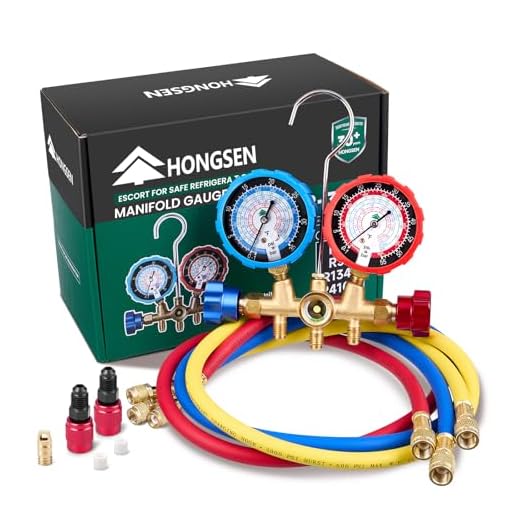
Hook gauges only if you know how.
Use proper hoses and a manifold.
Read low and high side pressures. Note them. Compare to the chart for your unit and the ambient test conditions.
Warm the unit and repeat readings. Look for low low-side pressure (low charge or restriction). Look for high high-side pressure (dirty condenser or overcharge). Test the thermostat. Set a stable temp and watch cycles. Discharge and test capacitors with a meter. Test relays and contactors. Check control wiring for loose or corroded terminals. Replace scorched or brittle wires. Check defrost control if the unit frosts. Note any error codes. Record all numbers and times. If pressures sit outside limits, call a certified tech. Measure superheat only if trained. Check suction and liquid temps with clamp thermometers. Keep a logbook. Carry spare fuses and capacitors on hand.
Step 4: Tune Controls and Safety
Tiny tweaks yield big savings. Who knew your Thermocooler could pay you back?Set controls to the maker’s specs.
Reset the thermostat.
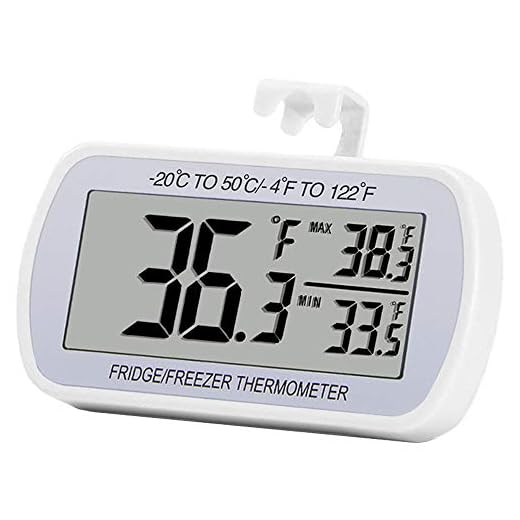
Verify its reading against a known thermometer.
Adjust the setpoint for comfort, not extreme cold.
Aim for efficient comfort.
Set fan speed to match the load.
Watch for too-fast fans that waste power.
Watch for too-slow fans that cut airflow.
Set defrost cycle and timers.
Watch the unit through a defrost.
Ensure the defrost sensor and heater run.
Test safety cutouts.
Seal gaps that leak air.
Improve duct joints and seals.
Measure airflow and static if you have tools.
Aim for the airflow the unit needs (typical HVAC goal: ~400 CFM per ton).
Measure the temperature drop across the coil.
Log settings and before/after readings.
Run the unit through day and night cycles.
Check energy use if you can.
Review settings monthly and share logs with your tech.
Step 5: Final Test and Ongoing Care
Test, prove, repeat. Make maintenance a habit — your future self will thank you.Run a full test.
Put the system under load.
Watch pressures, amps, and temps.
Note the run time and cycle length.
Listen for new sounds.
Feel for vibration at mounts and fans.
Tighten bolts and brackets.
Reseat connectors.
Check all hoses for cracks.
Inspect insulation on lines.
Rewrap insulation if it is torn.
Sweep the area.
Remove tools and debris.
Confirm drip trays are clear.
Check the electrical panel for heat.
Measure current draw on key motors.
Compare draw to the motor nameplate and past logs.
See this: if a fan motor reads 12 A but the nameplate says 8 A, stop and inspect bearings or belt.
Set a clear maintenance plan.
Put dates in your phone or on a wall chart.
Plan filter changes, coil cleanings, and seal checks.
Keep a small parts bag with common spares.
Keep manuals and wiring diagrams near the unit.
Train a helper in basic checks.
Note when to call for licensed service.
Run a short check after a week and after a month.
Continue logging.
Make a simple checklist and tick it.
Praise your work today.

Conclusion: Keep It Simple
You will finish with a tuned Thermocooler. You will save energy and time. You will know the risks and spot wear before it breaks. Keep records. Check the unit each season. Fix small faults now. Try it and share results.






Good guide overall, but I want to push harder on Step 4: Tune Controls and Safety. From a safety engineering perspective, you should always verify safety interlocks and test fail-safe behavior after any control change.
Example checks:
– Simulate sensor failure (disconnect temp sensor) and ensure the unit goes to a safe state.
– Verify high-pressure and low-pressure cutouts trip at their setpoints.
– Document any changes and rollback steps.
I know it sounds like overkill, but you don’t want a misconfigured control causing damage or a hazard.
Excellent point, Daniel. We purposely kept Step 4 approachable for DIYers, but we’ll add a subsection on validating safety interlocks and documenting changes — including simple simulation steps you suggested.
Yep — a checklist for post-tune safety validation would be super useful. Even a printable one-liner list.
Do you have a basic template for that documentation? I’d love a starter doc to copy/paste.
Loved the ‘Keep It Simple’ vibe in the conclusion — exactly what I needed. Cleaned my coils, lubed the motor, and did the final test. Unit sounds quieter now. 🎉
Small nit: Step 1 could mention wearing gloves — I scraped my knuckle on a fin and it bled. Oops. 😂
Other than that, tidy, helpful, and not condescending. More guides like this, please!
Haha the fin cut is a rite of passage. Invest in nitrile gloves — thin enough to keep dexterity but protect from those razor edges.
Agree on the PPE. And bandaids are a thermocooler owner’s essential 😂
If you’re already down there, check electrical connections for discoloration — a warm lug can indicate a bad connection before it fails.
Great feedback, Rebecca — ouch on the knuckle! We’ll add a quick PPE note to Step 1 (gloves, safety glasses). Thanks for the kind words.
Also a dab of anti-seize on screws makes future service easier. Small thing but saves time later.
Great guide — clear and no nonsense. I did the Inspect the Unit step last weekend and found a loose fan bracket I never noticed. Saved me a weird rattling noise.
Couple things I added from experience:
1) Take photos before you disconnect anything (label cables).
2) Use a soft brush for the condenser fins — don’t bend them.
3) If you’re unsure about refrigerant levels, stop and call a certified tech (safety first).
Thanks for keeping the steps simple — made the whole tune-up approachable for a DIYer like me.
Thanks Ethan — awesome tip about taking photos. We’ll add a short note in Step 1 recommending photos for anyone doing partial disassembly.
Totally agree on labeling cables. Saved me hours last year when reassembling a unit. Also, a little ziplock with screws labeled by part helps a ton.
Good call on the certified tech. I once tried charging refrigerant and had to bail — not worth the risk unless you’re licensed.
Step 2 (Clean and Service Key Parts) was the real MVP for me. I used a mild degreaser on the blower wheel and it looked brand new.
I did wonder — any recs for eco-friendly cleaners? I try to avoid harsh solvents around the house.
Nice to hear it helped! For eco-friendly cleaners, look for biodegradable, citrus-based degreasers or simple diluted vinegar solutions for non-sensitive parts. Avoid vinegar on metal that can corrode over time.
I use a plant-based cleaner (brand: GreenClean) for fans and casings. Works well and smells better than the chemical stuff. 🙂
Quick question: in Step 3 you mention checking refrigerant and controls. For OEM sealed systems, how can a DIY tell if the refrigerant level is low without gauges? Any safe indicators besides frost patterns and odd noises?
Good question. Frost patterns and reduced cooling are common signs, but they aren’t definitive. Other indicators: higher-than-normal suction temps, oil stains around fittings, and longer run times without reaching setpoint. If in doubt, call a licensed HVAC/R tech — charging requires certification in many places.
I watch run time and outlet temp. If it takes way longer to reach temp and the compressor runs almost continuously, something’s up. But yeah, gauges are the only real way to know for sure.
Who knew tuning a thermocooler could feel so adult? 😅
I tried the controls tuning and accidentally set the thermostat dead-zone too tight — it cycled like crazy and my power bill gave me a little heart attack.
Fixed it by following Step 4 again and widening the hysteresis. Lesson learned: patience and read twice, set once.
If you have logging, check run cycles over 24 hours after changes. Makes it obvious if something’s off.
Hysteresis/having a small dead-band is crucial — glad you caught it early. We’ll add an extra warning in Step 4 about default cycling ranges to prevent that exact issue.
Same here, lol. I left mine at 0.2°C and the compressor was turning on every 5 minutes. Bumped to 1°C and much smoother.
Also check compressor startup amps if you can — frequent short cycles wear it out faster.