


What Your Fall CSA Sends You — A Quick Guide
You will get a box of the land. It will be full. It will be seasonal. Some weeks you will get a dozen beets. Other weeks you will get a bushel of greens. You will learn the rhythm of the farm. You will learn to cook what is there.
This guide cuts through the noise. It tells you what to expect from Miller Farms CSA and other Colorado seasonal offers. It shows what to do with your bounty. Read fast. Use what you need. Share, trade, or freeze extra boxes.


Seed to Seed: CSA Week 5 Highlights
Inside Your Box: The Common Picks from Miller Farms CSA
Open the box
You lift the lid. You see roots, greens, and squash. You see soil on skins. The goods look honest. Miller Farms grows for taste. Not for uniform size. Not for perfect shine. Expect variety. Expect surprises.
The usual players
Read the box fast
Pick up each item. Look for firmness. Smell for life. Wilted greens need water or quick cooking. Loose soil is fine. Soft spots are not. A small nick on a potato will heal in storage. A soft apple you must eat first.
Quick checks:
What stores and what goes first
You want a plan. Some things keep. Some go quick.
Things to use within a week:
Things that store for weeks or months:
A short real-world tip
One week you might get ten beets. Roast half and pickle the rest. Label jars with date and taste. A neighbor did this and ate beets through March. You can do the same.
Now that you can read the box and sort fast, you are ready to keep what stores well and cook what won’t. The next section shows how to store and extend the life of your share.
Store It Right: Keep Colorado Seasonal Produce Fresh Longer
Quick triage
Open the box. Sort fast. Put greens and herbs into cold water. Chill them within an hour. Remove any slim bits. Lay items out so air moves. You will save days of life.
Greens and herbs
Wrap leaves in a clean towel. Slip them into a loose bag. Put them in the crisper. For herbs you won’t use right away, chop and freeze in oil in an ice cube tray. Pop cubes into soups or sauces.
Blanch & freeze greens:
This stops waste. It keeps color and bite.
Roots and tubers
Brush off soil. Do not wash unless you plan to eat soon. Put roots in a cool, dark spot or in the crisper. Keep sweet potatoes and storage onions on a shelf at room temp away from light. A cardboard box in a cool pantry works fine.
Squash and apples
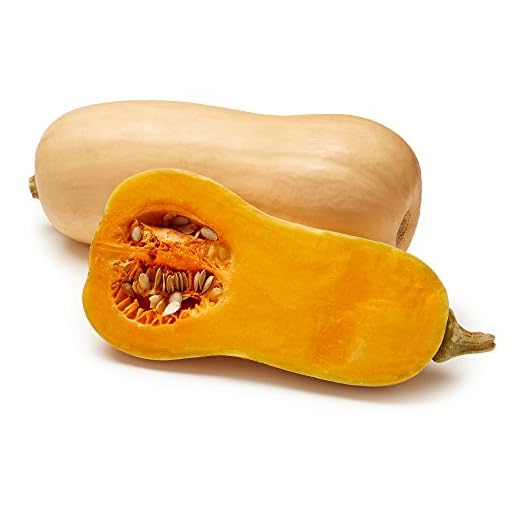
Store winter squash on a shelf. Do not crowd. Cure butternut in a warm dry spot for a week if you can. Keep apples away from strong smells. Apples give off ethylene. That speeds ripening. A simple linen or paper bag helps.
Simple habits that save food
A neighbor froze a week of herbs this way and made fragrant soups all winter. Next, we’ll turn these stores into simple meals you can make in minutes.
Cook, Roast, Can: Ways to Turn Your Harvest into Meals
Roast it plain and proud
Cut roots into even pieces. Toss with oil and salt. Roast at 400°F until browned and soft. Let the edges char. They taste like fall. Roast a halved squash flesh-side down. Spoon it into bowls. Top with yogurt or browned butter.
Soups and stews — slow and simple
Build a stock from bones and veggie scraps. Simmer low. Skim the foam. Strain. Add chopped roots, herbs, and a can of tomatoes for stew. Cook until the veg fall apart. Cool fast. Portion and freeze. A rich bone broth will lift every soup you make.
Saute greens and bake apples
Saute greens with a clove of garlic and a splash of lemon. Keep the heat high. Don’t overcook. For apples, halve or slice, add a few drops of honey and butter, bake until soft and fragrant. Serve warm with cheese or oats.
Pickle quick and long
Quick-pickle: bring equal parts vinegar and water to a boil. Add sugar and salt to taste. Pour over sliced onions or beets. Chill. Eat within two weeks.For long storage, use a pressure canner for low-acid foods. A common model is the Presto 23-Quart Pressure Canner. Follow tested recipes. Safety first.
Snacks and small wins
Roast squash seeds. Dry them. Toss with oil and salt. Roast at 300°F for 10–15 minutes. Crisp seeds make sharp snacks. Use leftover roasted veg in salads or on toast. Feed friends. Freeze extras for dark days.
Quick recipes:
Let the produce lead. Keep steps short. Let the taste show.
How Miller Farms CSA and Colorado’s Fall Rhythm Shape Your Share
The land sets the pace
Colorado gives hot days and cold nights. You feel wide swings. Some years the heat lingers. Some years frost comes in September. Miller Farms listens to that rhythm. They plant to ride it. They pull crops when the weather says go.
How the farm plans
They stagger plantings. That means waves of the same crop. One week you get a few heads of kale. Two weeks later you get a heavy box of beets. They favor crops that travel and store. They pick for flavor and for shelf life. You get the harvest as it arrives.
What that looks like in your box
You will see runs of roots, then a run of greens, then storage squash and hardy cabbage. A cold snap brings late tomatoes and turnips. A dry spell trims lettuce. Expect variety and sudden abundance. Expect gaps too.
Quick moves you can make
If weather shifts fast
When frost is predicted, roast or preserve the fragile stuff the same day. If drought cuts greens, lean on stored squash and canned tomatoes. Call the farm. Farmers will often offer guidance or a swap.
Know the farm’s rhythm. It helps you plan meals, preserving days, and sharing with neighbors. Next, you’ll learn practical tips for meal planning and handing out extra bounty.
Make the Most of Your Share: Tips for Meal Planning and Sharing
Plan the week around shelf life
Look at the box as a map. Use hard-storing items first. Squash, potatoes, and carrots sit well. Put quick greens and herbs near the top of your list. Build one big meal around roots. Make soup night when beets and carrots pile up. Make roast night when squash fills the box. One season I turned three boxes of butternut into five dinners and a freezer stash. It saved time and stress.

Use simple tools to stay organized
Keep a shared note or a plain Google Sheet. Columns: item, qty, use-by, who will eat it. Share it with a neighbor. Start a swap list with other members. Swap runs save waste. They also spark new recipes.
Share, split, and gift
If you can’t eat it all, split a share. Offer a box half to a friend. Drop surplus at a neighbor’s door. Turn extra into small gifts: roasted squash wedges, quick refrigerator pickles, or jars of herb oil. Tie a note to each jar. It makes neighbors smile.
Host and teach
Host a CSA potluck. Theme it: “Root Veg Night” or “Roast the Squash.” Ask each guest to bring one dish starring produce. Teach kids to help. Give them a pebble task: peel a carrot, snap a bean, taste a leaf. They learn fast. They eat more when they help.
Quick practical tips
Plan. Share. Cook. Hands on wins every time.
Troubleshooting and FAQ: What to Do When Things Go Wrong
Found a bruise or soft spot?
Cut it out. Use the rest. Trim brown edges on cabbage and lettuce. A small bruise on an apple or pear still makes a fine pie. If more than one item is bad, take a photo. Email or text the farm. They will usually note it and adjust future packs.
Missing or swapped items
Check the farm notes first. Sometimes crops are late or short. If an item is missing, expect it in a future box. If you need it now, ask for a swap or pick another week. Keep a simple log of missing items. It helps when you talk to the farm.
You hate a vegetable?
Try one quick recipe that changes your mind. Roast it. Puree it. Shred it raw with lemon and oil. If you still don’t like it, swap with another member. Trade a bunch of beets for a bag of greens. One season, I swapped parsnips for herbs and ate them all week.
Hit a glut?
Preserve, gift, or trade. Freeze chopped squash, make jars of refrigerator pickles, or roast a tray to share. Drop extras at a neighbor’s door. Post a trade in your CSA group chat.
Late pickup or allergies
Call the farm first. Many farms hold shares for a short time. For allergies, tell the CSA staff before packing. They can often avoid cross-contact and flag your share.
Policies and communication
Get clear on refund or swap policies up front. Ask how they handle crop failure and missed pickups. Keep records: photos, dates, and messages. Stay polite. Farms want your share to work for you.
When you need more help, check the farm FAQ or reach out directly. Then move on to the final tips in the Conclusion section.
Use It Well and Enjoy the Season
Your CSA box links you to the land and the harvest. It asks to be used. Store it right. Cook it simply. Share what you cannot eat.
Learn the farm’s rhythm. Keep your hands busy. You will eat better and waste less. Plan meals around the box. Preserve the surplus with jars and freezes. Note the patterns. Praise the work. Tell a friend what you tried often. Enjoy the season.





This line about “Make the Most of Your Share” hit home. I shared my extra kale with neighbors and got homemade jam in return—win/win.
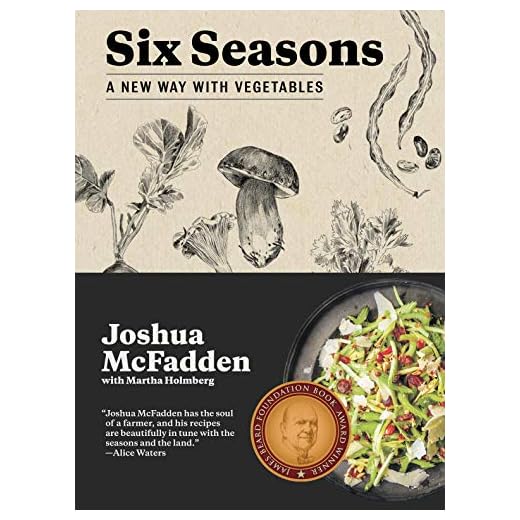
Also, anyone read “Six Seasons”? It’s an interesting way to rethink veg prep, and the recipes are approachable.
So glad to hear the sharing tip worked for you! “Six Seasons” is a favorite for many members — it changes how you think about veg cycles and simple techniques.
Love that book. The ‘ragout’ approach changed how I handle root veggies in fall.
Minor gripe: the FAQ could use a bit more on pest/insect issues in storage. My squash sometimes gets soft spots I think are from tiny critters? Maybe a note on checking for damage before storing would help.
Agree — I lost a few to slugs last year. Inspection + dry storage saved the rest.
Great point, Liam. We’ll add a clearer section about checking for punctures, insect holes, and soft spots — and that compromised produce should be used first or trimmed out before storage.
Also, brush off dirt gently and avoid washing squash before long-term storage — moisture invites pests and rot.
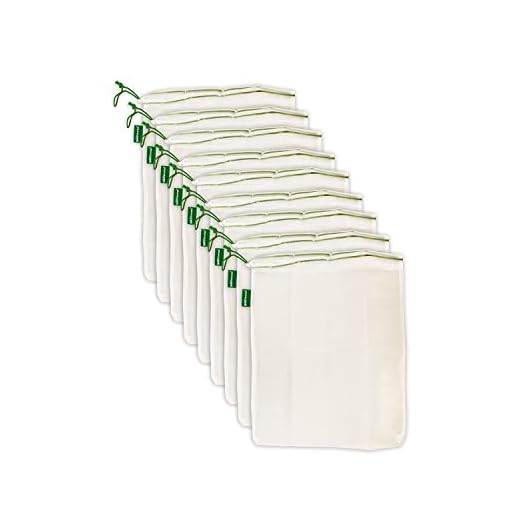
Quick question — the reusable mesh produce bags: are they ok for wet greens after washing? I hate plastic but worried about mold if I store wet leaves.
Also, the meal planner notebook is a nice find. I printed my first weekly plan last night.
If you have a humidity drawer in your fridge, use that and keep the bag slightly open.
Good question, Raj. Mesh bags can help with airflow, but don’t store fully wet greens in them long-term. Dry the leaves as much as possible (salad spinner helps) then store in a breathable bag or wrapped in paper towels inside the fridge.
I always let mine air-dry on a towel for 10–15 mins after washing, then into mesh for short-term. Works fine for 2–3 days.
Okay real talk: who else had to Google what “Coroplast” is because of the sign mention? 😆
Turns out it’s basically corrugated plastic. Kinda makes sense for labelling pick-up spots. The article should maybe link a quick explainer for weird terms.
Same here. I pictured a paper poster at first. Coroplast = much more weatherproof.
Haha — noted, Noah. We’ll add a quick definition for Coroplast and why it can be handy for CSA pickups and markets.
If you’re doing roadside sales, the A-frame is legit. Gets attention and stands up to wind better than cardboard.
Wanted to say the troubleshooting section saved my carrots. Thought they were doomed, but turns out a damp paper towel in a sealed bag revived them a bit.
Small note for the article team: include more photos for the ‘before and after’ storage examples — visuals would be clutch.
Agree on photos. A step-by-step gallery would help newbies avoid rookie mistakes.
Great feedback, Olivia. We’ll work on adding before/after photos in the next update — visuals do make storage techniques easier to follow.
Loved the humor in ‘Use It Well and Enjoy the Season’ section — felt like a friendly farmer telling you to slow down and enjoy soup.
Also, PSA: if you’re canning for gifts, label the jars with the date and contents. Magnetic meal planner + labeled jars = organized life. 😄
Yes! Labeling jars is a lifesaver, especially when you mix batches. Glad the tone landed well — that’s the vibe we wanted.
And don’t forget short ingredient notes. I’ve gifted jam that confused recipients (no one knew it was spicy).
Loved the storage tips — the bit about curing winter squash was super helpful.
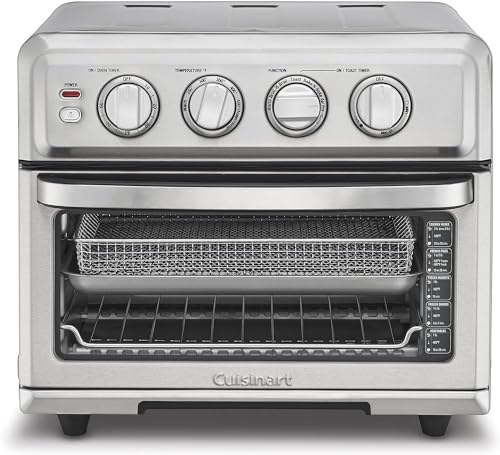
I tried roasting a whole butternut the other week (used the Cuisinart roaster) and it turned out amazing.
Also, anyone else label their boxes with a mini sign? That folding coroplast A-frame idea seems overkill but kinda genius for a farm stand 😂
Thanks, Emily — glad the curing tip helped! The roaster is a great tool for even browning. The A-frame sign is more useful than it sounds if you host pickup days or community swaps.
Good to know about curing. How long did you roast the whole butternut for? I’ve always halved them first.
I roast whole butternut at 375°F for about 60–75 mins depending on size. Pierce the skin once so it doesn’t burst.
Huge thanks for the canning resources. I tried the basic pickled beets tip and it’s a life-saver for party sides.
FYI: the organic butternut squash link made me laugh — imagine buying a single squash from Amazon 😂 But, hey, sometimes you need a replacement.
I bought a single organic squash once as a substitute in a pinch. Pricey but convenient. 😅
So glad the pickling worked for you! And yes, niche Amazon finds are funny — good for times when you need a specific item and can’t get to the market.
Constructive note: the article mentions storing Colorado produce but doesn’t dig into altitude/temperature variations enough. In Denver it’s way drier than where my parents are in the plains — humidity drawer tips differ.
Would love a small table or checklist by region next time.
Good point. I live in a valley and keep things in a root cellar; others rely on crisper drawers. Different setups for sure.
Maybe include temp ranges: ideal for squash, roots, greens — that would be super helpful.
Agree. Even a few bullet points by crop would cut confusion.
Excellent suggestion, Ava. Regional checklists for altitude/humidity would be valuable — we’ll work on adding a quick reference guide for Colorado microclimates.
I appreciated the meal planner suggestion — magnetic weekly meal planner is now stuck to my fridge and actually being used. Shocking.
Quick tip from me: roast a batch of mixed CSA veggies in the Cuisinart roaster, then freeze in meal-sized portions. Saves tons of time.
Same here. I add a splash of lemon or vinegar after reheating to brighten frozen roasted veg.
Love that tactic, Marcus — batch roasting and freezing is a practical win. Thanks for sharing the workflow.
Nice tip — I usually add some fresh herbs after reheating. Makes everything taste less ‘reheated’!