


Start Your Desert Orchard Day
You wake before the sun. The air is cold. You drive out of town for apples and quiet. Annie’s orchard sits where the sand meets the trees. It is real, small, and stubborn.
This guide shows you how to get there and what to bring. It tells you what to expect at the orchard. It teaches you how to pick apples in the desert. It opens other farm foods and simple activities. It helps you pack the harvest and travel home.
You will find clear tips. You will learn quick rules. You will leave with full arms and a calm mind. Go light. Take joy. Pick well. Bring water, a hat, sturdy shoes, and patience.


Desert Gardening: Grow Fresh Vegetables in a Hot, Dry Climate
Getting There and What to Bring
Plan your route and parking
Pick a road that is paved as long as possible. Many orchards sit on a last stretch of gravel. Check your route the night before. Download an offline map. Cell service can drop where the trees meet the sand.
Look for these signs at the gate: pull-through lot, narrow driveway, or a steep wash. If you drive low clearance, park at the gate and walk in. Call the orchard if you need turn-by-turn tips. On weekends, lots fill fast. Arrive early. Cooler air. Firmer ground. Better fruit.
Pack for heat, sun, and wind
You will be in sun and in breeze. Layer light. Bring sunblock and sunglasses. A wide-brim hat will save your face and neck.
A light wind jacket folds small. It keeps off dust in the afternoon gusts.
Essentials to bring
Practical tips that save time
Call ahead on busy days. Ask if pets are allowed. Ask about ladders and which rows are open. Know if you may take fruit from marked trees only. Learn where the bathrooms are. Bring a small first-aid kit and baby wipes for sticky hands.
A quick real-world note: one family left a full crate on the lot at noon in July. The fruit sat in heat and split. They learned to put crates in the cooler in the car between picks.
Keep this list and these checks handy. The orchard waits. The day moves fast.
What to Expect at the Orchard
First sights and layout
You step from heat into shade. Rows of trees stand like soldiers. Signs hang at the row ends. They name the varieties. They tell you use — eating, baking, sauce. Read the signs. They save time and empty hands.
Meet the staff and the farmstand
A farmer or helper will greet you. They point the routes. They will hand you a short map or give a quick walk. They answer one clear question at a time. Listen. They know the trees.
You may see a farmstand near the parking. Look for cider, pies, and jars of preserves. The smell is a small warning. Buy a hot pie later. Try a sample cup if they offer it.
Where things are
How to spot ripe apples
Apples tell you when they are ready. They change color. They pull from the branch with a twist. A ripe apple snaps off. It does not slide. Taste a sample if offered. Ask which varieties are best for pies. Example: Granny Smith for tart pies. Fuji for sweet snacks.
Safety and small rules
Watch for uneven ground and tree roots. Sun glare can hide dips in the soil. Wear sturdy shoes and sunglasses with polarized lenses. Use a small pair of pruners like a Felco F-2 if the farm allows tools. Keep children close. Carry water and a basic first-aid kit.
Guided tips and quick tours
Some farms run short talks on picking, storage, or pest issues. They may show how to lift a ladder safely. The farmer will give clear tips: pick from below, twist, avoid bruising, cool fruit quickly. You get a map or a quick tour. Then you head into the rows and begin to pick.
Picking Apples in the Desert
The basic move
You use a light touch. Cup the fruit. Twist and lift. Do not pull hard. The ripe apple will come from the stem with a small snap. If it slides, it is not ready. Pulling bruises fruit. Bruised fruit spoils fast in heat.
Choose by feel and scent
Press gently. The apple should be firm. Look for clear color and a fresh smell. Check for brown spots, bruises, and sunburned patches. Sunburn shows as flat, leathery skin. Put those aside for juice or baking. Know the taste of each variety. Some bite sharp. Some sit sweet on the tongue. Pick a mix. Try one from each row as you go.
Tools and reach
Start low. The trees give easiest fruit near the ground. Save your back. Use a small step ladder for middle branches. Use a pole for the high fruit.
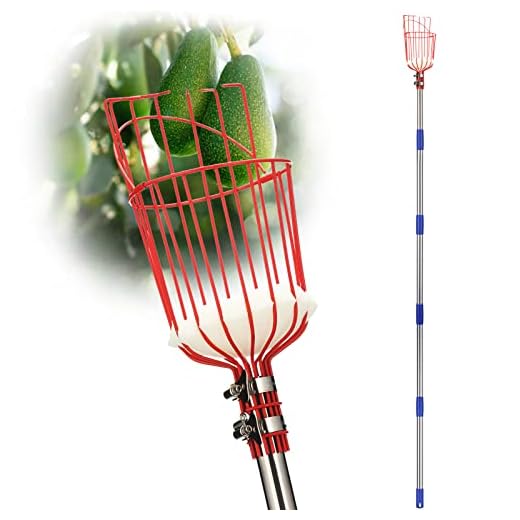
A 4-step aluminum ladder works fine for steady rows. A telescoping pole reaches twelve feet with less wobble. Secure the ladder on flat ground. Have a partner hold it. Use the picker basket to cradle fruit and keep hands clean.
Pack and protect what you pick
Keep apples out of long sun. Shade boxes in the car. Put softer fruit on top. Do not cram heavy fruit under light fruit. Use shallow bins or mesh totes so apples do not bruise. If the farm sells apple flats, they are worth the price.
Work smart in the heat
Take short shifts. Pick for 20–30 minutes. Rest in shade for ten. Drink water often. Wear a hat. Sweat and sun dull your taste buds. Cool down, then taste again.
Quick tips
You learn by doing. Taste. Adjust your grip. Move on.
Beyond Apples: Farm Foods and Activities
Farm-made tastes
You try the cider. You bite a warm turnover. You sip a flight of three ciders for a few dollars. The bakery often sells out by noon on busy days. Ask for a sample. Buy a small jar first. If it sings with your picnic, come back for more.
Jams, chutneys, and pantry goods
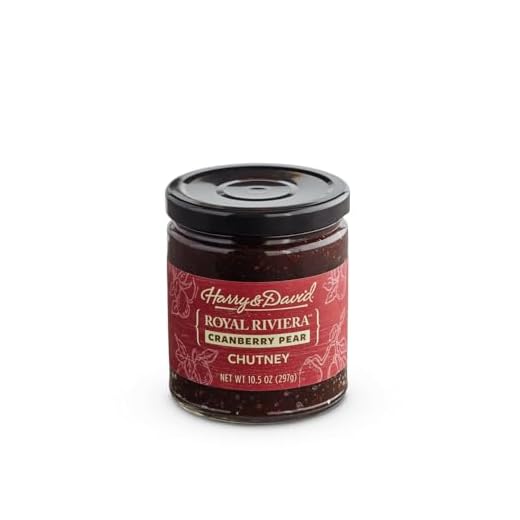
Look for small-batch jars. They show the farm name. Read the label. Pick one that fits your plans. A sweet pear spread works with cheese. A spicy chutney lifts grilled meat. Pack jars upright. Wrap them in a tea towel for the drive.
Pick-your-own beyond apples
You will find late peaches, pears, or squash depending on the season. Ask the crew which rows are open. Try one fruit before you fill a bucket. For vegetables, pick firm, young produce. If you want a lot, ask if the farm offers flats or pre-picked bags.
Watch, learn, join
You watch the crew cut fruit fast. You see machines and hand work. Join a short walk led by the crew. They will show root crowns, watering lines, and heat strategies. You learn why trees look different here than in cooler orchards.
For kids and learners
Kids get games and small chores. They carry baskets. They sort fruit. Give them one simple task. Let them count apples or label a crate. Book a short workshop on pruning or jam-making if you want hands-on skill. Many farms limit class size. Reserve early.
Eat, rest, meet
You picnic under a tree. Use a low blanket and a small cooler. Take photos in late afternoon light. Meet other pickers. Trade tips on varieties and timing. Check the farm board for same-day events, farm markets, and pop-up cooks.
You leave with new tastes, new tips, and a plan for the next trip.
Make the Most of Your Harvest and Travel Home
Sort and pack on site
Sort your haul before you leave. Pull out any bruised fruit. Use them first. Pack firm apples together. Put fragile fruit on top. Layer with paper or cloth. Fit crates so fruit can’t roll.
Cool fast for longer life
Apples keep best when cool. Move them out of hot sun fast. If you can, chill them within a few hours. Farmers will tell you cold slows decay. Cool apples can last weeks longer.

Use a cooler for long drives. Add frozen gel packs. Keep the cooler in the shade. For day trips, a simple insulated bag will do. For overnight, pre-chill the bag and packs at home.
Quick prep and recipes
Plan what you will make on the ride home. Pies and sauce are simple. A jar of preserves saves ripe fruit at once. Pack a small paring knife and a cloth. Trim bad spots in the field. Slice a few for the car. Toss the slices with a little lemon if you plan to freeze them.
A quick recipe plan:
Store, freeze, and save
Store apples in a cool, dark place at home. A cellar, pantry, or the crisper will do. Keep them single layer if possible. Check them once a week. Remove any that soften.
To freeze: slice, toss with lemon, freeze flat on a tray, then bag. Bags save space and time. Sliced apples work great in smoothies, muffins, and sauce.
Share and savor
Give a box to a neighbor. Drop a jar at a friend’s door. The farmstand goods make instant road meals—cheese, bread, a jar of chutney. Drive home with the windows down. Let the cool air mix with the smell of apples. Then head to the next step: finish and bring the orchard home.
Finish and Bring the Orchard Home
You end the day with pockets full of fruit and good work. You keep the best apples for now. You sort and taste. You set aside the firm, bright ones for the table. The bruised and odd ones meet the press or the oven. You clean them. You pack them in paper or cloth. You label jars. You plan a pie. You press juice into a clear jar. You seal and cool. You wipe sticky hands and breathe.
You carry more than fruit. You bring a quiet ache in your arms. You bring sun on your face. You bring the sound of leaves. You will come back. Mark the date. Make a note. Tell a friend. Drive home slow. Store what you will eat soon. Rest. Call it a small victory and promise return.




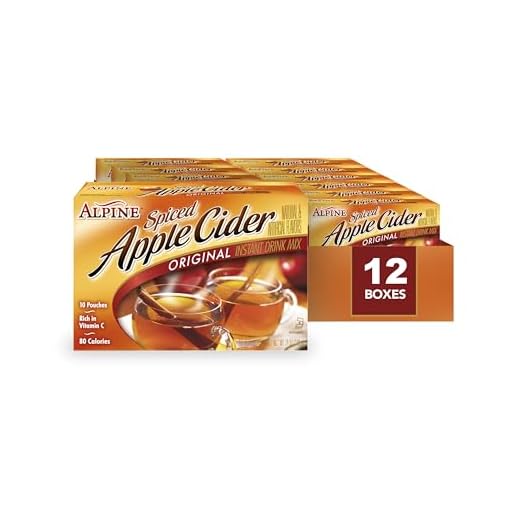
Desert apples? Sounds ironic but honestly, the heat was way less of a problem when we used shade breaks and the Instant Spiced Apple Cider Drink Mix Pouches — hot cider in the evening made the chill feel intentional.
One nit: the article downplays how much dust there is — bring a bandana or something. My shirt still has grit 👉😅
Bandana + sunglasses = desert survival kit. And maybe pack a spare shirt in that 48-can cooler bag? (jk but also not) 😂
@Sofia — Haha, spare shirt is smart. The cooler bag fit a folded tee and it stayed fresher than the one I wore all afternoon.
Good point, Oliver. We mentioned shade breaks but not dust protection — adding a quick ‘bring a bandana or lightweight scarf’ note now.
Agree on the dust. I keep a small wet-wipe pack in the cooler for sticky fingers and dust off.
Loved this write-up — super practical. I went last season and these tips are spot-on.
Bring the Adjustable Long-Handle Fruit Picker with Basket if you’re not into climbing ladders; total lifesaver for the tall trees. Also: the 48-Can Insulated Collapsible Cooler Bag 32L kept our haul cold for the drive back — highly recommend packing ice packs.
One surprising tip: the Packable Wide-Brim Ponytail Straw Sun Visor actually stayed put in my ponytail during the wind. Who knew? 😂
Yep! We had about 10–12 medium apples + 2 jars of chutney + a couple of cider pouches. If you stack gently it fits more than you’d think.
This is golden — did you find the cooler fit a mix of apples and jars of chutney? Trying to figure out how much a 32L actually holds.
Thanks for sharing your experience, Ethan — glad the picker and cooler worked out! We’ll add a note about wind-tested visors in the article.
Nice guide. Quick Q: for kids, is the Packable UPF 50+ Wide-Brim Bucket Hat better than the ponytail visor? I liked the cider pouches idea for warm drinks, but worried about sun for little ones.
Also, FYI, the Royal Riviera Pear Cranberry Gourmet Chutney is SO good on crackers — I brought it as a sampler and it vanished fast.
I have both — bucket hat for my 6yo, ponytail visor for me. The bucket hat survived a full apple fight. 😂
Great question, Maya. For kids the bucket hat offers fuller coverage and stays on better during play. The ponytail visor is better for grown-ups who want airflow. We’ll add a kids gear tip in the Getting There section.
Short and sweet: I want those cider pouches in my life. Also, anyone else accidentally brought a picnic with no cheese? Classic move.
Haha, Sam — we’ve all been there. The Royal Riviera Pear Cranberry Gourmet Chutney pairs great with basic crackers if you forget cheese; still tasty!
Really liked the timeline in ‘Start Your Desert Orchard Day’ — helped me schedule a morning pickup without rushing later activities.
Question for others: did anyone bring the Adjustable Long-Handle Fruit Picker and find it awkward in windy spots? I’m debating renting vs buying.
The section ‘Picking Apples in the Desert’ was useful but a bit light on eco-considerations. Are the farms doing anything for water use or sustainable practices? I’d love a short note so visitors can support responsible orchards.
Also, packing instant spiced apple cider pouches feels slightly wasteful unless they’re recyclable. Anyone found eco alternatives?
Excellent point, Aisha. We’ll reach out to the featured orchards for details on their water and sustainability practices and add a short note. For cider, some farms offer refillable thermoses or hot cider stations — we’ll flag that as an option.
Some farms sell bulk cider in glass jugs — ask ahead. If you bring a reusable mug, you can avoid single-use pouches.
This was my first orchard trip and I learned a few things the hard way, so here’s a brain dump:
– Buy or borrow the Adjustable Long-Handle Fruit Picker — don’t try to hand-pick everything.
– The Packable UPF 50+ Wide-Brim Bucket Hat is worth the money. Folds in your bag, looks dorky but blocks sun.
– Bring the 48-Can Insulated Collapsible Cooler Bag 32L and use it for cider pouches too. Keeps them cold and saves the car from sticky explosions.
Also, the Royal Riviera Pear Cranberry Gourmet Chutney is unbelievably good with sharp cheese — pack it for a post-pick picnic. 😋
How heavy is the fruit picker when fully extended? Thinking about my back.
Thanks for the detailed tips, Noah — concrete packing lists like this help other readers a lot.
Totally agree on the chutney. Also, pro tip: wrap fragile jars in a towel inside the cooler so they don’t clink and break.
Noah I love your energy. Did the cooler bag collapse easily when empty? space saver?
Derek — great practical tip. We’ll suggest wrapping jars and using the cooler to separate foods and drinks.
@Claire — not too bad if it’s aluminum. I’d say manageable for short bursts. If you’re doing full-day picking, take breaks and alternate hands.