
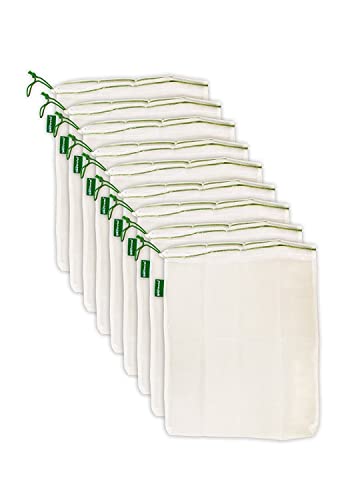

Why Care for Reusable Produce Bags?
You bought them to cut waste. You must care for them to keep that promise. Clean bags keep fruit fresh and last longer. This guide walks you through six simple steps. No fuss. No waste. Do it with calm ease.
What You Need
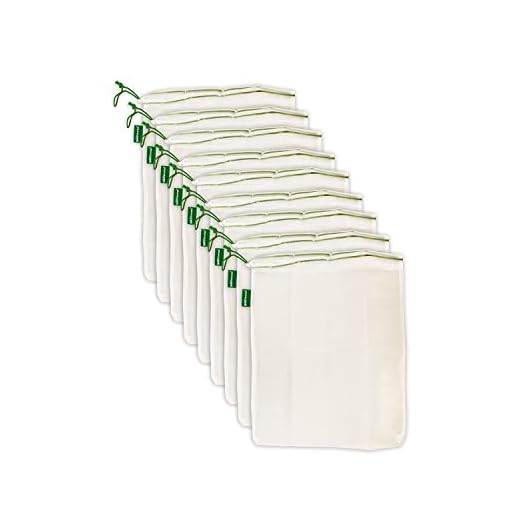
Wash Your Reusable Lotus Produce Bags Like a Pro
Empty and Inspect Every Time
Why leave crumbs? Quick checks save you time and stink later.Pull each bag from your cart. Empty it into the bin or compost. Turn the bag inside out. Inspect the seams and the mesh.
Look for stuck bits. Check for tomato seeds, bread crumbs, lettuce leaves, or a rogue grape. Feel for holes or thin spots. Smell for sour or musty odors. Spot stains like berry juice or soil.
Make a quick list in your head. Mark bags that need a deep wash or mending. Repair tears sooner. Rinse crumbs right away. You spot trouble fast. You fix it fast.
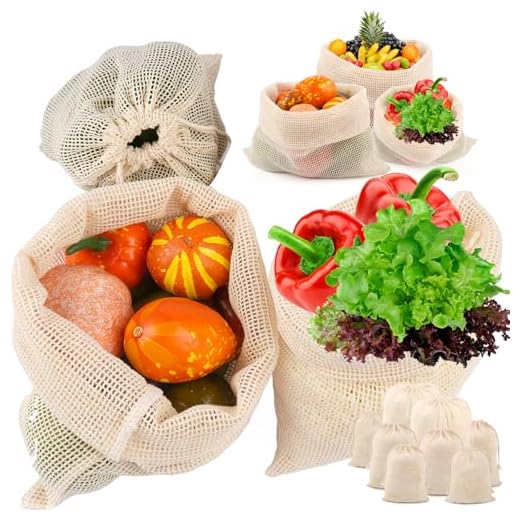
Shake and Brush Out Soil
Want less dirt in your sink? Shake like you mean it.Take the bag outside if you can.
Shake it hard.
Turn it inside out and shake again.
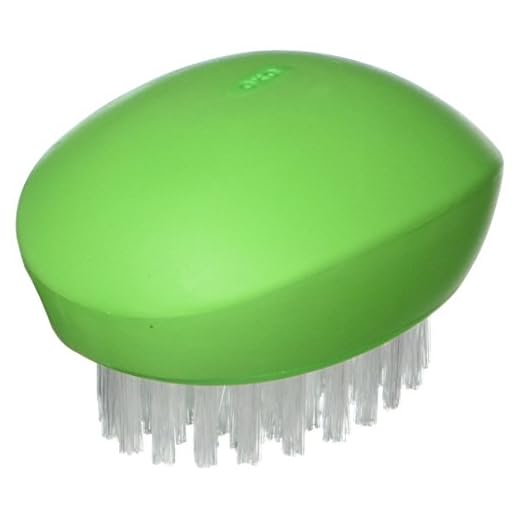
Brush the seams with a small brush or your fingers to loosen trapped grit.
Tap the bag on a hard edge or counter to dislodge stubborn bits.
Reduce water use and scrubbing later.
Repeat after a dusty market run or when you pick root veg from the garden.
Spot-Treat Stains and Odors
Got a stain? A paste of hope and baking soda will do wonders.Mix baking soda with a little water into a paste. Rub the paste into stains. Let it sit ten minutes. Rinse or brush off. Repeat if the spot stays.
Spray or soak the bag for odors in one part white vinegar to three parts water. Gently scrub with a soft brush. Rinse well. Air the bag to finish.
Stay gentle. Avoid bleach, harsh detergents, or strong scrubbing. These can fray mesh and strip labels.
Choose Hand Wash or Machine Wash
Machine for speed. Hand wash for care. Which wins for you?Choose hand wash for delicate mesh or bags with drawstrings. Swish your bag in a basin of warm water. Add mild detergent. Agitate and rub seams. Soak ten minutes. Rinse until water runs clear. Example: after berries, you hand-wash mesh to save its shape.
Use the machine for cotton or sturdy nylon. Zip your bags in a laundry bag or pillowcase. Wash on a gentle cycle with cold or warm water. Remove them promptly and air dry.
For delicate mesh or drawstrings, hand wash. Fill a basin with warm water and mild detergent. Agitate and soak ten minutes. Rinse well. For cotton or sturdy bags, machine wash on a gentle cycle. Use a laundry bag or pillowcase. Use cold or warm water. Skip bleach and fabric softener. They erode fibers and trap smells.
Dry Right to Keep Shape and Life
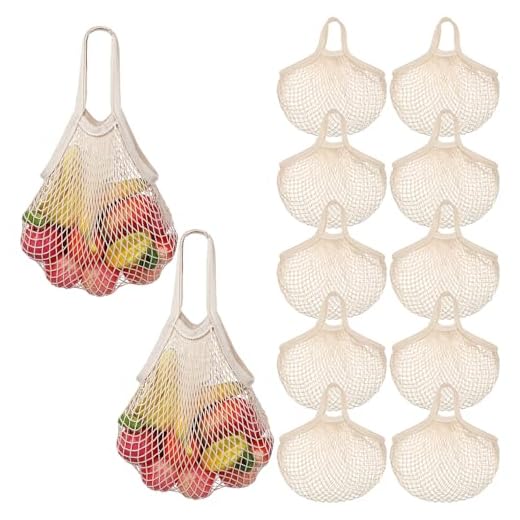
Air dry saves more than the planet. It saves your bags too.Shake excess water from each bag. Reshape while damp. Pull seams straight. Close drawstrings so the bag keeps form.
Hang by the seam or lay flat on a clean towel. For example, hang mesh bags on a hook after rinsing berries. Lay cotton flat to keep it from shrinking.
If a dryer is the only option, use low heat and check often. Make sure bags dry fully to stop mold.
Store, Rotate, and Repair
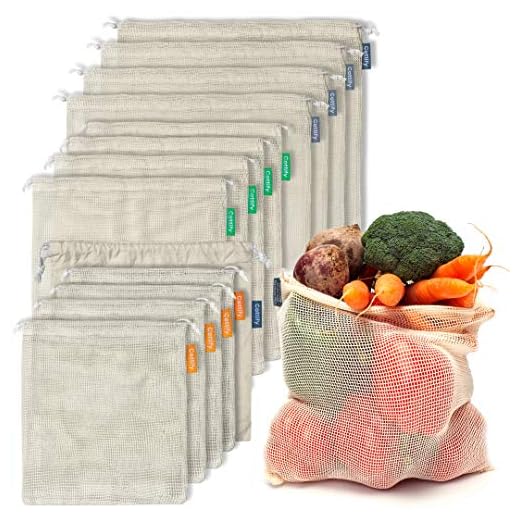
Keep spares. Rotate them like socks. Small fixes give big life.Fold or roll bags to save space. Roll cotton like a burrito. Fold mesh flat.
Store in a dry drawer or bin. Keep humidity low to stop mold.
Keep a few spares in your bag for shopping. Toss two mesh bags in your tote. Use one and swap in a clean one.
Wash bags after any wet or messy produce. Rinse bananas, wipe tomatoes, then wash.
Mend small holes with a few stitches or a dab of fabric glue. Use a running stitch for mesh. Replace worn drawstrings.
Track when you bought them. Write the month on a tag or sticker.
Good care can double their life.

Simple Care, Big Impact
You care fast. You save money. You cut waste. Follow six simple steps. Keep your bags clean and useful. Rotate and mend them. Small acts make big change. Will you keep this habit and make a lasting difference for good?





Haha, I never thought shaking a bag could be a life skill. Who knew?
Tried the brush-out trick — saved me from washing for a few extra uses.
Shaking and brushing can extend time between washes — good for fabric and water savings.
Agreed. Also works for crumbs in snack pouches. Carry a travel brush and you’re golden 😄
This guide is exactly what I needed — simple and practical.
I used to toss my mesh bags in with everything and they started to smell after a while.
Following steps 1–3 (empty/inspect, shake, spot-treat) helped a lot before washing.
Pro tip: if you have tiny tears, stitch them up right away so dirt doesn’t get stuck.
Thanks for the clear steps — saved me money and time!
Same — the smell went away after I pre-treated with a little baking soda paste before washing.
Great tip about stitching small tears — that’s exactly what step 6 is about. Glad it helped!
Yep, I sew mine with a zigzag stitch and it holds forever. Also works for the drawstring seams.
quick Q: do you remove stickers/tags from store-bought produce before storing in the bag? i always forget 😅
Yes — remove stickers and any twist ties before putting produce into reusable bags. They can snag the fabric and leave residue.
I pat fruits dry before storing — keeps things fresher and reduces mildew risk.
Also check for little pieces of soil or leaves that can cause mildew if left in the bag.
A quick long-ish post because I tested these steps for a year and here’s what actually worked for me:
1) Inspect and shake after every grocery trip — saves washing frequency.
2) Spot treat with diluted dish soap for tomato stains right away.
3) Machine wash cold on gentle in a mesh laundry bag every 2–3 weeks depending on use.
4) Air dry flat or hang by the seam — never tumble dry.
5) Rotate bags so one set rests while another is used.
This routine kept my bags intact for 18 months.
Thanks for the thorough share — rotation is underrated and really increases lifespan.
This is super helpful — rotation was the missing piece for me too.
If anyone wants, I can add a short repair how-to to the guide — sounds like readers would find it useful.
Use small backstitches or a whip stitch with polyester thread. Works better than big running stitches.
What sewing stitch did you use for repairs? I always ruin my fixes.
Step 4 saved my life: hand wash vs machine wash? I’m still lazy but less guilty now lol.
I alternate: hand wash for delicate stuff, machine for sturdy bags. Works well.
Haha — do whichever you’ll actually do. Even quick hand washes prolong bag life if you’re worried about wear from machines.
I struggle with lingering veggie smells even after washing. Any strong remedies?
Tried vinegar, baking soda, sunlight — some help but not perfect.
For stubborn odors, soak in warm water with a scoop of baking soda and a bit of lemon juice for 30–60 mins before washing. Sun-drying also helps but avoid prolonged direct sun if colors might fade.
Enzyme-based detergents can break down organic smells. Worth a try!
Activated charcoal sachets stored with bags work for keeping smell down between uses.
Short and sweet: loved the ‘Simple Care, Big Impact’ closing. Makes it feel doable.
I started with one bag and now have a full set — rotating them is my new weekend ritual!
Weekend ritual — that’s hilarious. Mine’s more like “frantic 2-minute check” before leaving for the store 😂
So glad the closing resonated. Small habits add up — happy rotating!
Drying tip: I hang bags from a clothespin on the seam and rotate them so water drains. Quick and keeps shape.
But watch out for direct sunlight — a few of my colored bags faded a bit.
Avoid dryer sheets — they leave residues that reduce fabric breathability over time.
I dry mine inside-out sometimes to speed drying of interiors. Works well on humid days.
If you need faster drying, use a fan — no heat and it’s quicker than sun on cloudy days.
Good call — hanging by the seam distributes weight and helps maintain shape. Shade-drying avoids color fade.
I machine-wash everything and haven’t had issues, but be careful if your bags have wooden tags or metal rings.
Those bits can damage the mesh.
I cut off the little wooden tags — they were cute but pointless and caused snagging.
Great observation. Remove or cover hardware before machine washing, or hand wash those bags to be safe.
I actually mend and repurpose old bags into produce pouches and small laundry nets.
Step 6 inspired me to be more intentional about repairs rather than tossing.
Love that — repair and repurpose is exactly the spirit of the guide. Any pics you’d share (if this were a platform with uploads) would inspire others.
Ooh nice idea. I hate throwing them out — might try a zipper and make snack bags.
Neutral take: the guide is good but I’d like a little more on delicate fabric care.
My fine mesh tore in the wash once.
Which cycle is safest? Cold? Gentle? I wish it said more about that.
Also avoid fabric softener — it can leave residues that affect breathability of mesh bags.
If your bag is really fragile, hand wash with mild detergent — takes 10 minutes and is gentle.
Good point — for delicate mesh, use a gentle cycle, cold water, and put bags inside a laundry net or pillowcase. Air-dry flat to prevent misshaping.
I always do cold + gentle and close zippers on other items. No problems so far.