


Meet Your Vanzant Peach Playbook
You want fruit that sings. Arkansas heat can help that. Vanzant Fruit Farms has lines bred for your soil and your season. This playbook gives the clear steps. Pick the right varieties. Plant with purpose. Start care that sets young trees for life.
Prune with a plan for size and yield. Fight pests and disease with smart, low-tox tools. Harvest on time. Handle fruit with care. Learn how to sell—farm stands, markets, and local buyers. Follow this guide and you will grow, prune, and sell peaches with real confidence. Make profit and enjoy the work.


Pruning Peach Trees: Simple Steps for Bigger, Healthier Fruit
Why Vanzant Fruit Farms and Arkansas Fruit Matter
Climate that makes sugar
You need to know your land. Arkansas gives heat, long days, and late warmth that pushes sugar into fruit. Heat ripens flesh fast. That means earlier markets and bolder flavor. A hot stretch can turn a good peach into a great one. Many growers I know saw a 10–15% bump in sugar after a week of high heat. Plan harvest windows. Watch color and feel, not just calendar dates.
Soil and how to work it
You face heavy clay. Clay holds water and nutrients. It can also drown roots and harden in drought. You must loosen it. Add compost and sharp sand. Plant on mounds or raised rows to aid drainage. Use a soil probe to test compaction. Install drip irrigation and a Rain Bird or Netafim kit for steady wetting. Mulch to keep roots cool in July scorch.
Vanzant lines and variety fit
Vanzant cultivars suit your season. They resist local heat and set fruit on strong wood. Choose varieties with later bloom to dodge spring frosts. Match rootstock to your soil — dwarf on mounded sites, semi-dwarf on heavier ground. Try two-week staggered varieties to spread harvest and cash flow.
Market appeal and heirloom niche
Buyers prize Arkansas stone fruit for bold taste and local story. Heirloom berries sell on that tale. They fetch higher prices at farmers markets and U-pick. Pack your fruit with a note: variety, pick date, and a short story. Offer sample cups. Use clear pricing and tiered boxes for wholesale.
You will grow fruit that stands out. You will sell the story as much as the taste.
Pick the Right Varieties and Plan Your Planting
Choose by microclimate and demand
You must pick well. Match varieties to your microclimate. Choose heat-tolerant midseason types for hot sites. Pick later-bloom types where spring frost bites. Add heirloom names to your mix. They draw buyers and tell a story. One grower planted Elberta and sold out two weekends in a row.
Firm vs freestone and market mix
Give buyers options. Firm peaches travel. Freestone peaches eat well. Offer both. Include 2–3 heirlooms for U‑pick and sample cups. Stagger ripening to keep your stand full.
Rootstock and spacing choices
Pick rootstock to match soil and vigor.
Space trees for sun and airflow.
Pollination and bees
Most peaches self‑fruit. Still, cross‑pollination raises set. Plant compatible bloom windows within 7–10 days. Add bees. Honeybee hives or mason bee boxes lift fruit set by 10–20%.
Row layout and wind management
Run rows north–south for even sun. Use windbreaks on the prevailing wind side to cut damage and sunscald. Leave access lanes for harvest and spray rigs. Aim for rows you can drive down with a 4‑ft spray boom.
Planting calendar (quick)
Next you will learn how to plant, water, and feed so those choices pay off.
Planting and Early Care: Start Strong
Pick stock with purpose
Buy healthy trees or certified bud‑wood. Look for straight trunks. No girdling roots. No cracked root balls. Buy locally when you can. Local trees are acclimated. One Vanzant grower swapped mail‑order stock for a local nursery and cut first‑year losses by half.
Planting basics
Dig a hole twice as wide as the root spread. Set the graft union 2–4 inches above soil on sandy ground; at or just above soil on heavier clay. Backfill with native soil. Firm it down. No air pockets. Set depth right or roots suffocate.
Water deep and slow
Water slowly and deeply. Aim for root wetting to 18–24 inches over time. Use a soaker hose or drip system like Rain Bird or a good soaker line. In hot months give 10–20 gallons per tree per week. Check soil with your finger. Wet at depth, not at the surface.
Mulch and weed control
Mulch 3–4 inches out to the drip line. Keep mulch off the trunk by a few inches. Pull weeds early. Weeds steal water and slow roots.
Train and feed
Choose 3–4 scaffold limbs in year one. Tie them loosely to stakes. Prune to shape, not to force fruit. Feed with a measured, balanced fertilizer (example: 10‑10‑10). Follow label rates. Less is better than too much.
Guard young trees
Use trunk guards and wire cages to stop rabbits and voles. Check guards each season. Replace when cracked.
Berries and tidiness
For berries, stagger plantings by weeks. Keep plants pruned and clean. Remove diseased wood fast. Early care builds roots. Early care makes the crop.
Prune and Train for Bigger Fruit and Healthier Trees
Prune with intent
Prune to steer the tree. Make cuts that invite light and air. Open the center. Cut long shoots back to a short spur. Remove dead wood and crossing branches. Each cut has a reason: light for fruit, space for spray, less disease.
Step-by-step for mature peaches
Start in late winter when trees are dormant. Use clean tools. Stand back. Pick 3–5 strong scaffolds with wide crotches. Remove weak or inward‑growing wood. Shorten vigorous watersprouts to spurs of two to four buds. Thin crowded fruiting wood so peaches sit 6–8 inches apart.
Train young trees each year
In year one, pick three scaffold leaders. Tie them wide. Use gentle spreads. Bend long shoots slowly over weeks. Each year renew one old limb with a younger one. Wide angles make strong wood and big fruit.

Prune heirloom berries
Renew cane crops by removing old wood. For raspberries and blackberries, cut floricanes after harvest. Leave young canes to fruit next year. Lift plants off the ground with ties or wires. This keeps berries clean and easier to pick.
Tools and timing
Use sharp shears like the Felco F-2 for clean cuts. Choose Fiskars PowerGear if you need a lighter tool. For bigger limbs, use a folding saw such as the Silky Gomboy. Wipe blades with alcohol after disease work. Prune in dry weather when possible to help wounds heal.
Prune with purpose. Your cuts guide growth and size. Next you will learn how to protect that growth from pests and disease.
Manage Pests and Diseases with Smart Tools
Watch weekly. Spot early.
Walk your rows once a week. Look at trunks, leaves, blossoms, and fruit. Watch for sawdust‑like frass at the bark base. Look for blackened blossoms or brown rot on fruit. Check for small dimples or soft spots on berries. You catch problems small. Small problems are easy to fix. One grower caught a peach borer tunnel early and saved a scaffold.
Traps and scouting logs
Use pheromone traps for borers and codling moths. Use Scentry or Trécé traps for clear counts. For spotted wing drosophila, use Scentry SWD lure in a clear cup trap or a yeast‑bait jug. Use sticky cards from Great Lakes IPM for quick checks.
Keep a scouting log. Record date, trap counts, weather, and damage notes. Add actions taken. That log will guide sprays next year.
Cultural controls first
Remove and destroy mummified fruit. Prune out blighted wood. Mow or remove wild hosts near the orchard. Wrap trunks or use sticky bands to catch borers before they climb. Choose disease‑tolerant varieties when you can. Clean tools after pruning infected branches.
Spray only when needed
Use integrated pest management. Set action thresholds from your traps and logs. Spray the right material at the right time. Rotate modes of action to slow resistance. Prefer narrow‑spectrum products. Use Bt for caterpillars. Avoid wide‑kill materials during bloom.
Protect pollinators and record everything
Spray at night or late evening. Stay off bloom. Use targeted sprays and spot treatments. Write down product name, rate, and time. Your records will save the crop next season and help you refine decisions year after year.
Harvest, Handle, and Sell: Turn Fruit into Profit
Time the pick
Pick at peak taste. Taste a sample. Press gently near the stem. Smell the cheek. If it smells sweet, it is close. Pick in the cool hours. Morning harvest slows rot. Harvest every few days as fruit ripens.
Handle with care
Hold fruit by the stem or cup. Do not drop. Use padded bins and vented flats. Clean containers before use. Use food‑grade crates or vented 16×20 flats. For cooling, act fast. Move fruit to shade. Use a CoolBot‑controlled walk‑in or cool chest with ice packs for small runs. Fast cooling locks in texture and flavor.
Sort, grade, and price
Sort by size, color, and firmness. Remove bruised fruit. Grade into premium and seconds. Price for value, not just weight. Charge more for ripe, fragrant, heirloom fruit. Consider per‑flat pricing for premium boxes. Example: a packed box of perfect Vanzant peaches can sell as a gift box at a higher margin than loose bulk.
Where and how to sell
Tell the story
Talk about your trees. Name a variety. Share a photo of a 10‑year old tree. Offer quick recipes. Let people taste a slice warm from the sun. Heirlooms sell on story and flavor.

Make small value‑added goods
Make few jars of jam. Sell chutney, canned slices, or slice packs. A neighbor doubled income by offering samplers at market. Keep recipes simple and clear‑labeled.
Track your math
Record harvest hours, labor, packing, and cooling costs. Track price by pack. Know your margin. Lean into local demand for Arkansas stone fruit and Vanzant peaches as you prepare to move into the final wrap of this playbook.
Your Orchard, Your Work, Your Reward
You can grow fruit that sells. You can prune to shape yield and health. You can market what you grow. Start small. Learn fast. Use this playbook each season. Test one block. Watch one tree. Keep notes. Use simple tools. Fix problems early.
Plant with care. Prune with purpose. Harvest with pride. Sell with honesty. Your work will earn money and trust. You will learn more each year. Customers will come for taste and story. Keep your standards high. Share your fruit. Begin now and build a small, lasting orchard that pays back well.




Real talk: the ‘Harvest, Handle, and Sell’ section was the most valuable to me. Turning fruit into profit is harder than growing it. A few questions from a small-scale seller:
1) Has anyone used Traverse Bay Farms jams as samples to upsell fresh fruit? Worth the cost?
2) Any advice on labeling/niche claims (cold-hardy Belle of Georgia, small-batch preserves)?
Would love practical tips on margins and packaging.
Great questions. 1) Using Traverse Bay jam as a premium sampler can boost perceived value — pair a slice of peach with a small jam smear on a cracker. 2) Niche claims should be truthful and specific: ‘Cold-hardy Belle of Georgia — grown in Arkansas’ is fine. For margins, track cost per pint/crate including labor — many small farms aim for 40-60% markup on value-added goods.
Don’t forget local regulations for cottage food labeling and sales. That can sink margins if you get hit with compliance costs later.
Also, sample size matters — tiny disposable spoon taster works. People who taste buy. But factor sample cost into your marketing budget.
If you sell at farmers markets, bundle fresh peaches with a jar discount. Encourages multi-item buys = higher AOV.
I rebranded jam jars with my orchard name and a sticker noting ‘small batch’ and it helped justify a higher price. Customers pay for story as much as taste.
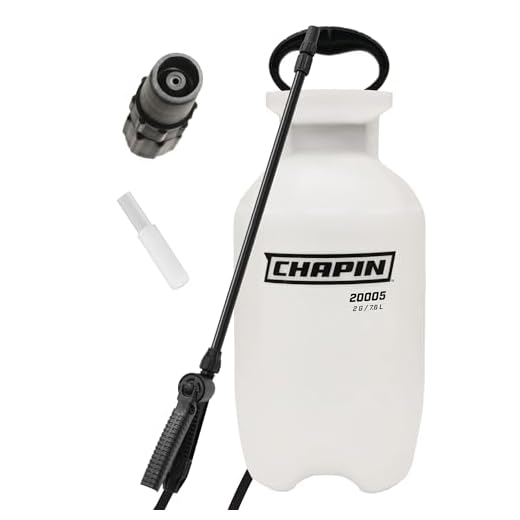
Pretty solid article but felt light on integrated pest management. The Chapin 2-Gallon Hand Pump Garden Sprayer is mentioned, but I’d love a simple schedule for sprays vs monitoring. Anyone got a basic timeline?
Good point, Marcus. Basic timeline: monitor buds in early spring for signs of scale/mites; apply dormant oil if needed. At bloom, avoid spraying to protect pollinators. Post-bloom, scout weekly and use the Chapin sprayer for targeted treatments as pests appear. We try to keep chemical use minimal — cultural controls first.
I follow a monitor-first rule too. Sticky traps and weekly checks after petal fall. Spray only when traps/visuals cross a threshold. Saves time and fruit quality imo.
I ordered the Complete Annual Care Kit for Peach Trees after reading this and have mixed feelings — good starter items, but will need separate fungicide in rainy spells. The article’s suggestion to pair it with cultural practices is key.
Also, market tip: small handwritten notes about variety (Belle of Georgia) go a long way.
Agreed — I use the kit for baseline care then target supplements during bad years. Keeps costs manageable.
Handwritten labels = authenticity. People notice small, human details more than fancy printing sometimes.
Thanks for the feedback, Priya — that’s exactly the intent: starter kit + good cultural practices. And handwritten notes add a nice personal touch for customers.
Quick question from a newbie: the playbook recommends spacing for rows and trees. For Belle of Georgia in zone 6, what’s a realistic spacing for semi-dwarf vs full-size? I don’t want to overcrowd but also maximize yield.
Great question, Noah. For semi-dwarf aim for ~12-15 ft between trees, 18-20 ft between rows. For standard/full-size, 20-25 ft between trees and 25-30 ft between rows. Adjust for rootstock vigor and machinery access.
Thanks — that helps. Planning a 10-tree demo orchard, probably going semi-dwarf to keep it manageable.
Finally a guide that doesn’t assume everyone has a tractor 😂
I tried the Branch Spreaders Kit and the tree looked like it went from ‘slouch’ to ‘architect’ in weeks. Still struggling with training multiple leaders tho. Also, typo: ‘prune and train for bigger fruit’ — should’ve said ‘bigger FRUITS’ jk 🤓
Oh and Chapin sprayer = lifesaver for spot treatment. Pro tip: clean it immediately after use, or it becomes a brick.
Thanks — will try elastic ties. Also anyone tried using the Tibetan Goji seeds as a pollinator magnet? (half serious)
Haha love the tractor line. Multiple leaders can be managed by choosing one dominant leader early and spreading lower scaffolds. Good tip on sprayer cleaning — we’ve ruined too many pumps that way.
Also, consider lightweight ties for training. Elastic ties reduce girdling while still guiding growth.
For leaders, I remove the weakest of the top buds in year 2 and spread the keeper. Brutal but effective.
I liked the pruning diagrams but missed more on timing for different zones. The Belle of Georgia is touted as cold-hardy, which helps, but pruning time varies. Maybe add a small zone-by-zone table next time?
Also, tiny typo in the section header ‘Planting and Early Care: Start Strong’ — ‘Care’ is duplicated in the PDF? (or am I seeing things 😅)
Thanks — glad it’s helpful. Zone 5 here too, prune after the last heavy frost window and before bud swell.
Good catch on the typo, Emma — we’ll patch that. And yes, zone-specific pruning notes are useful; we tried to keep it general, but we can add a follow-up with timing by USDA zone.
Zone tables would help! I live in zone 5 and prune later than folks in zone 8 to avoid late-frost damage.
Tibetan Goji Berry Heirloom Seeds in a peach article? 😂 Not complaining — curiosity piqued. Can someone explain how gojis tie into a peach orchard plan?
Ha — the goji seeds were mentioned as an interesting companion/side crop idea in the playbook. They don’t affect peaches directly but can diversify offerings at markets and use understory space.
I’ve planted gojis in alleys between young trees — they brought in herb/berry lovers to our stand. Just watch soil moisture competition in dry summers.
Short note: the EasyFlex Plastic Tree Trunk Protectors saved my seedlings from rabbit damage last winter. Worth the 12-pack even if you only have 4 trees right now.
Great tip, Hannah — protectors are an easy insurance move for young bark.
Yep, saved my trunks too. Also easier to remove than the DIY cardboard wraps if you need to check trunk growth.
Loved the section on pruning — the step-by-step was super clear. I planted a Belle of Georgia last spring and the guide convinced me to buy the EasyFlex trunk protectors (12-pack) for the young trees.
Question: anyone else use the Branch Spreaders Kit for training? Thinking of starting this weekend.
I’ve used the spreaders on two trees — big difference in crotch angle. Just be sure not to overdo it the first season, wood can crack if you force it.
Also FYI: the EasyFlex protectors saved my trunks from vole damage last winter. Worth the pack price if you’ve got a small orchard.
So glad it helped, Sarah! The Branch Spreaders are great for establishing scaffold branches early — less broken limbs later. Start with gentle tension and check every few weeks.
Huge fan of the ‘Your Orchard, Your Work, Your Reward’ vibe here.
I appreciate the mix of practical (prune/training) and business (harvest & sell). A few notes from my experience:
– The Complete Annual Care Kit for Peach Trees is a decent all-in-one if you hate shopping for tiny bottles.
– If you plan to make preserves, the Traverse Bay Farms Jam and Butter Combo makes for a cute sampler at markets.
– Don’t underestimate proper handling after harvest — buyers WILL notice texture.
Thanks for writing this! 😊
What packing do you use for markets? I’m still figuring out how to keep peaches from bruising during transport.
Priya — I use shallow crates with dividers and foam pads between layers. Keep them single layer if possible and cooled before loading the truck.
Thanks, Lily! Love the tip about the Traverse Bay combo for market kits. Handling/packing is sadly underrated — gentle harvest + cool storage is gold.
Agree on the care kit — good starter, though I supplement with a specialty fungicide in wetter years. And +1 on cute market bundles, they sell fast.